Page contents
About
Gallery
Parking
Poo bins?
Self-guided walk
About
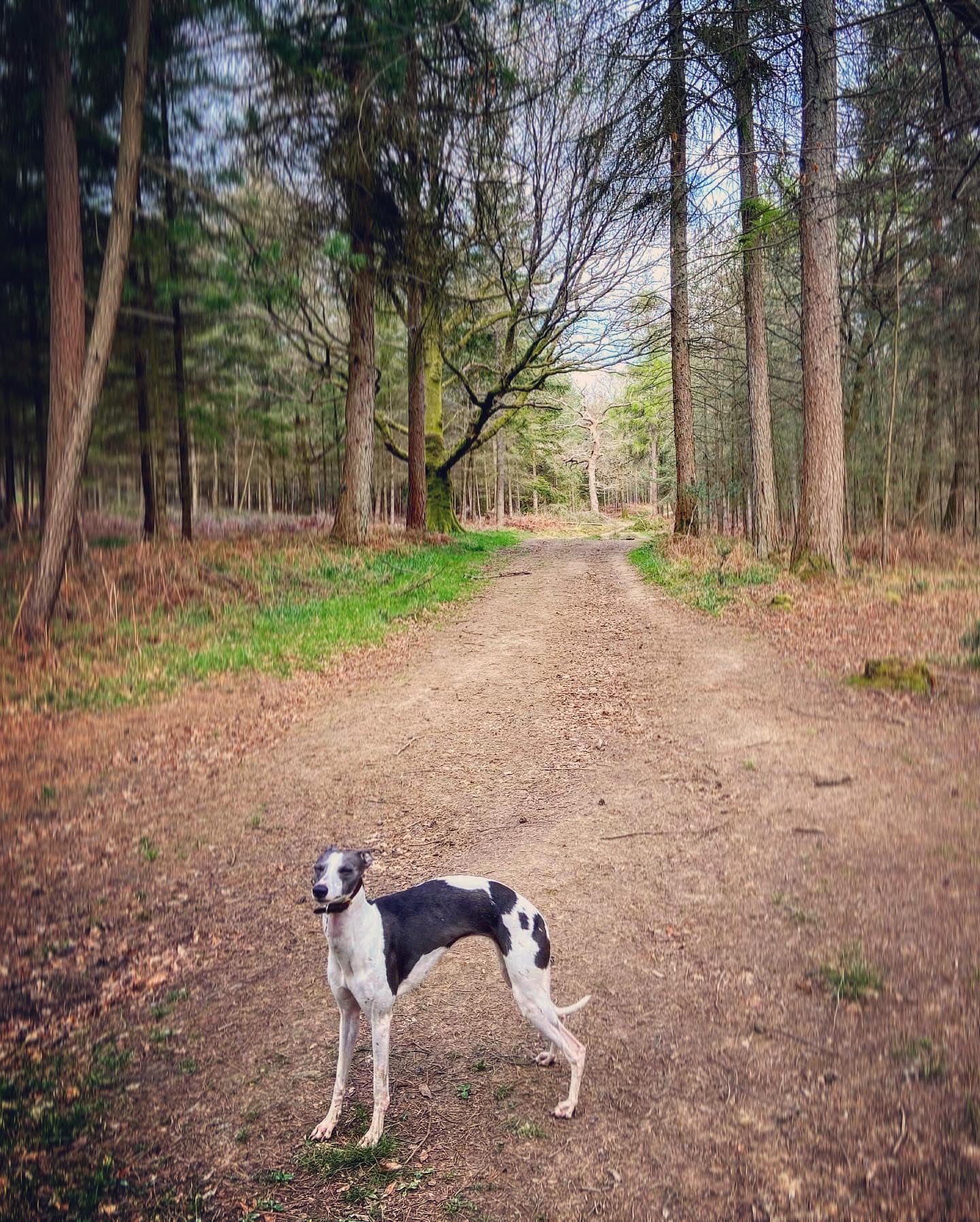
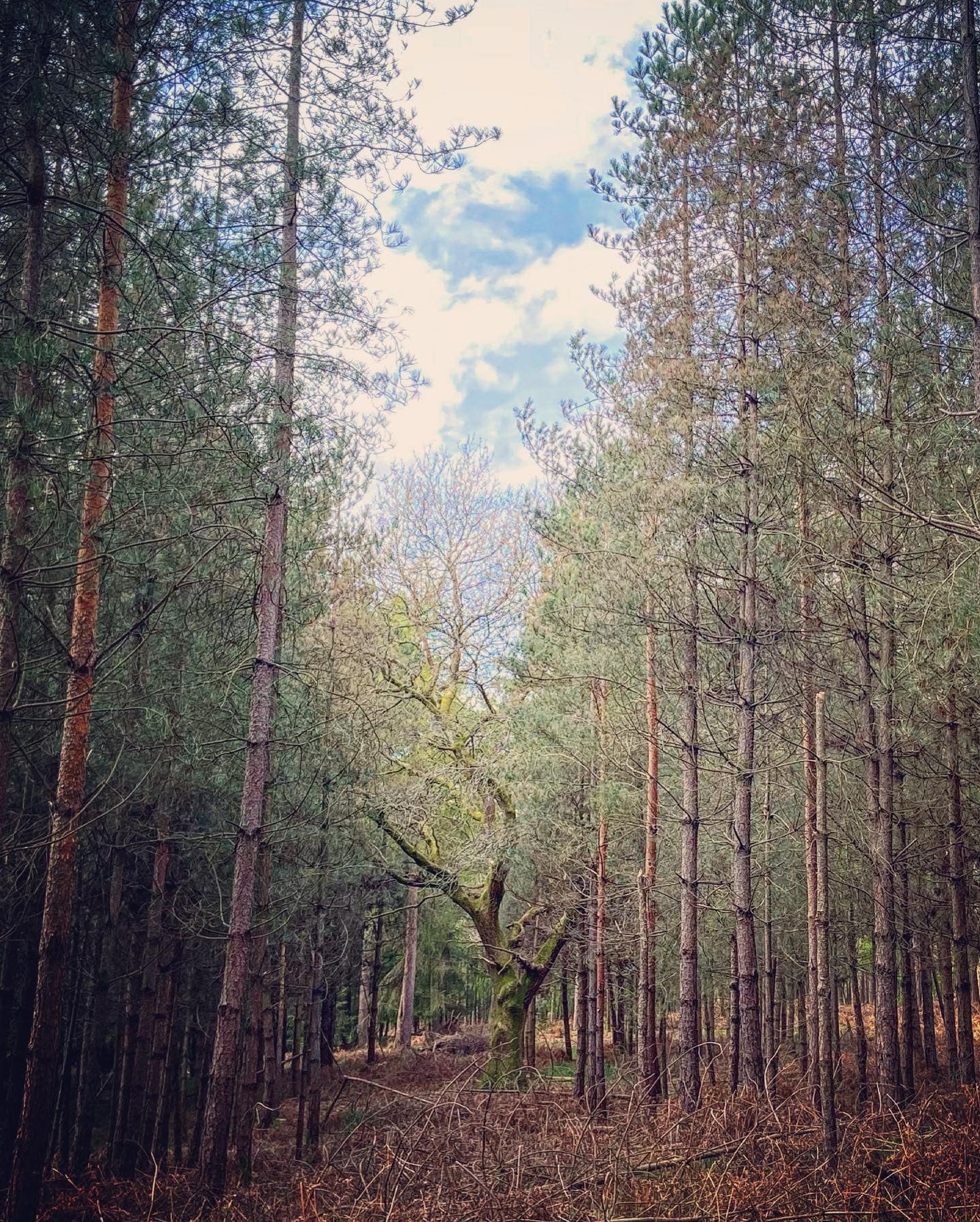
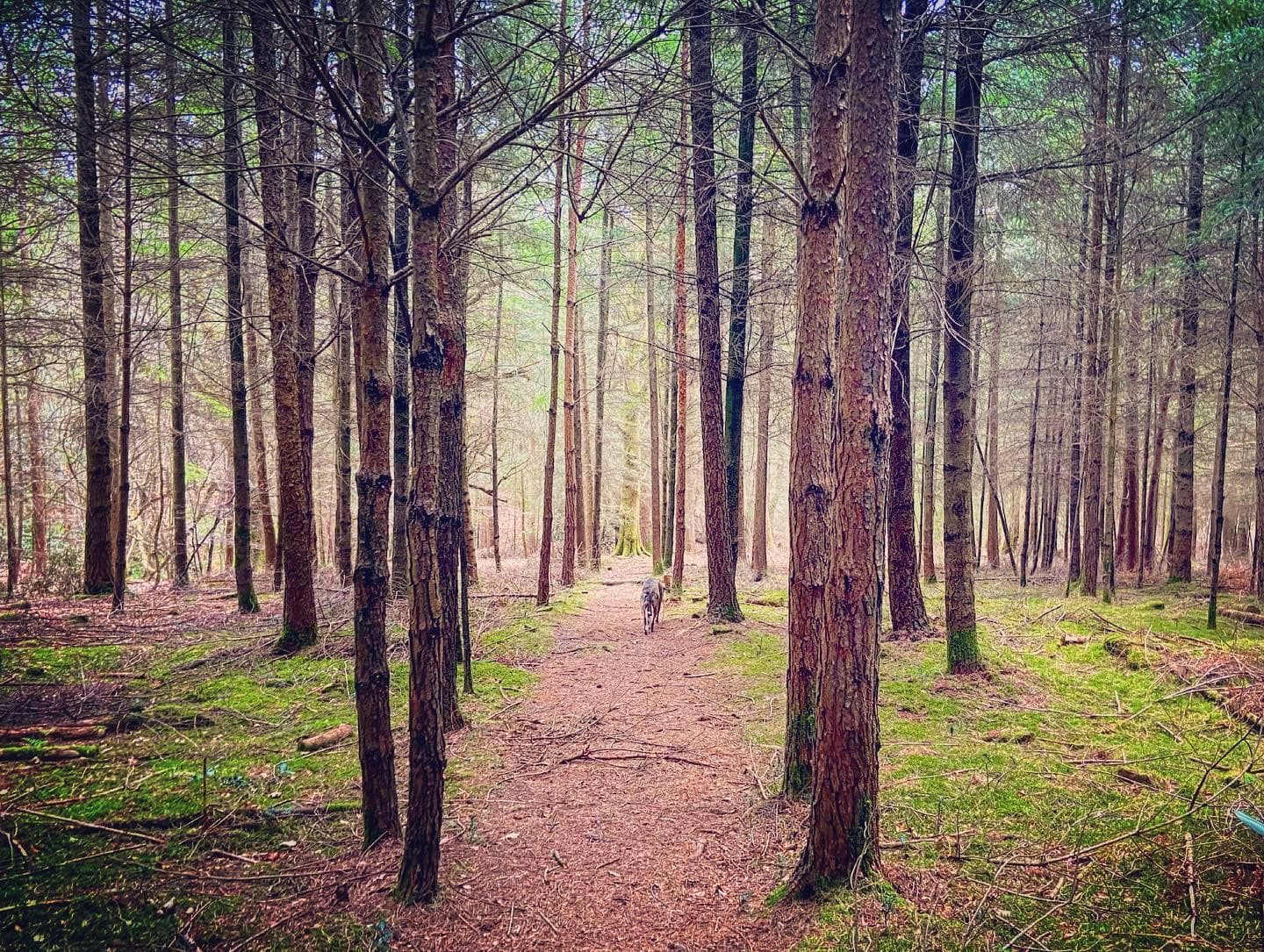
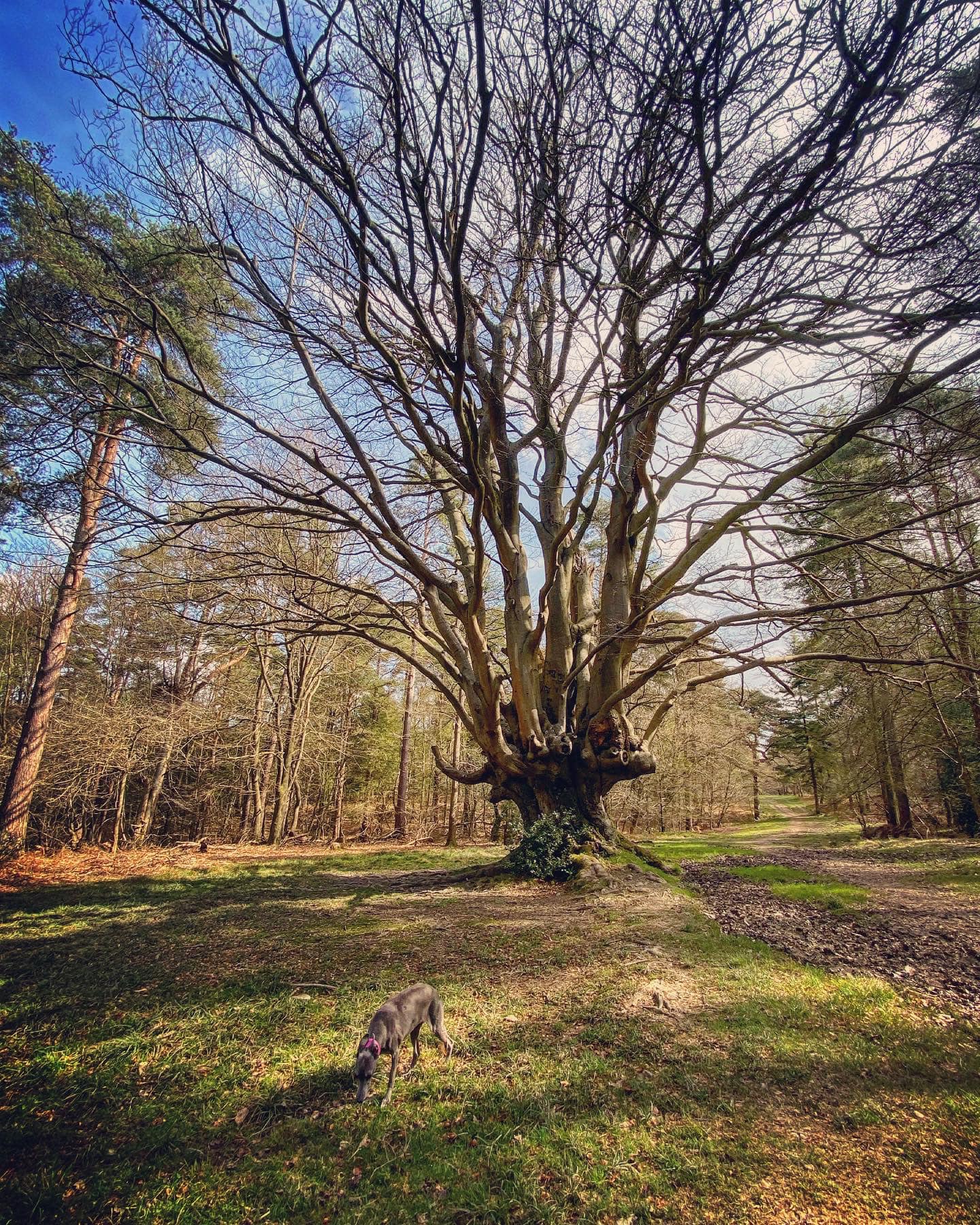
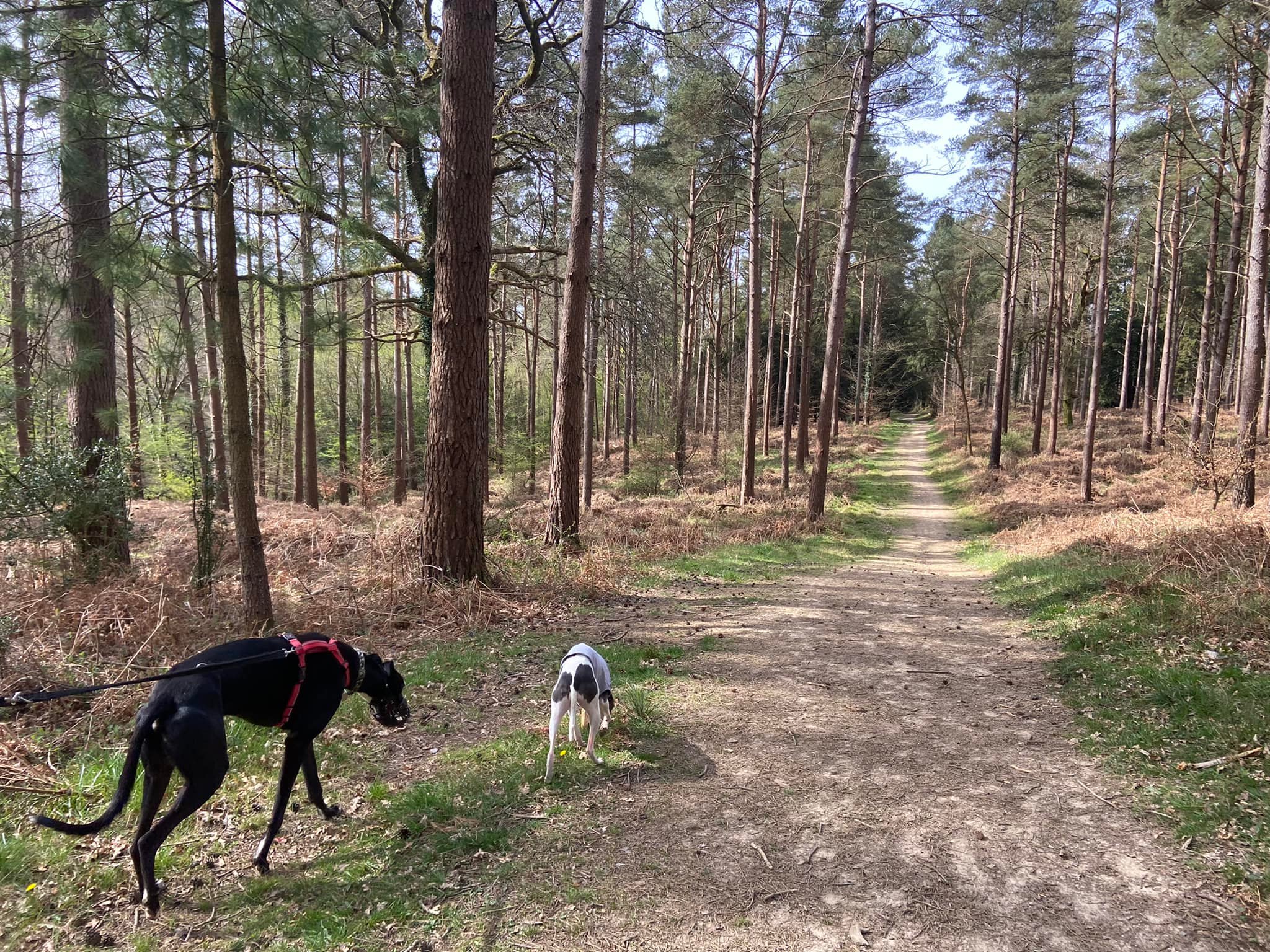
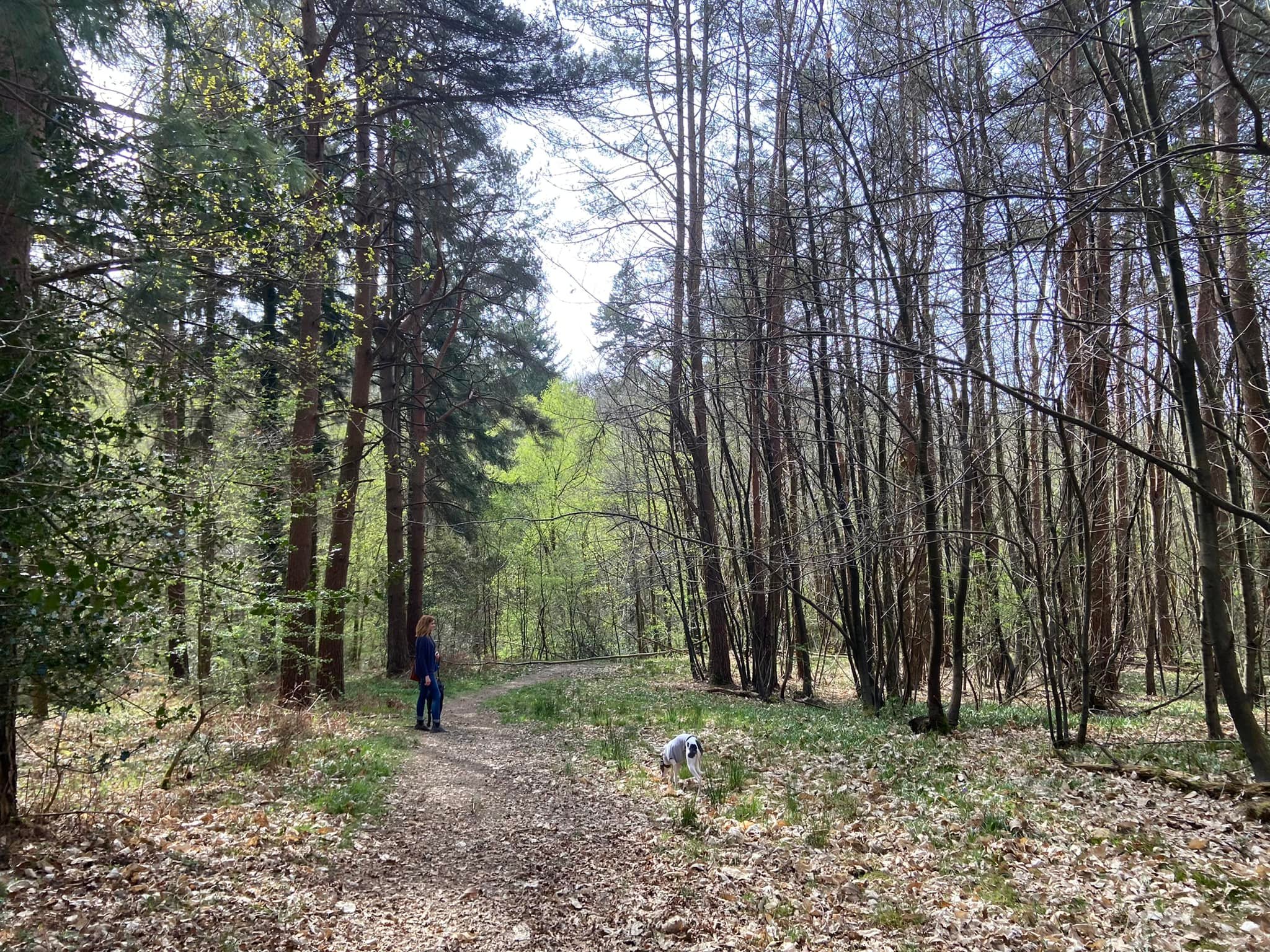
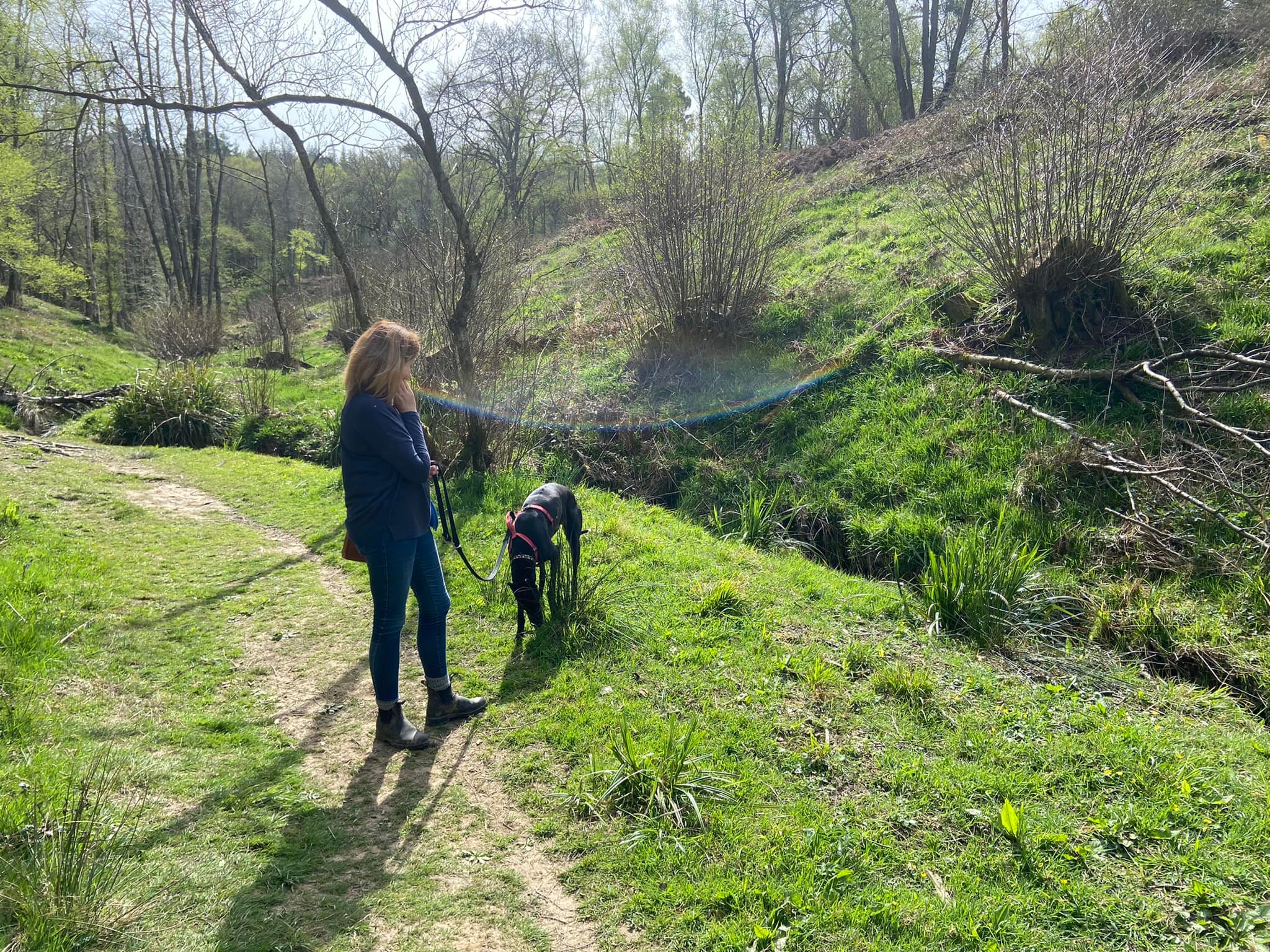
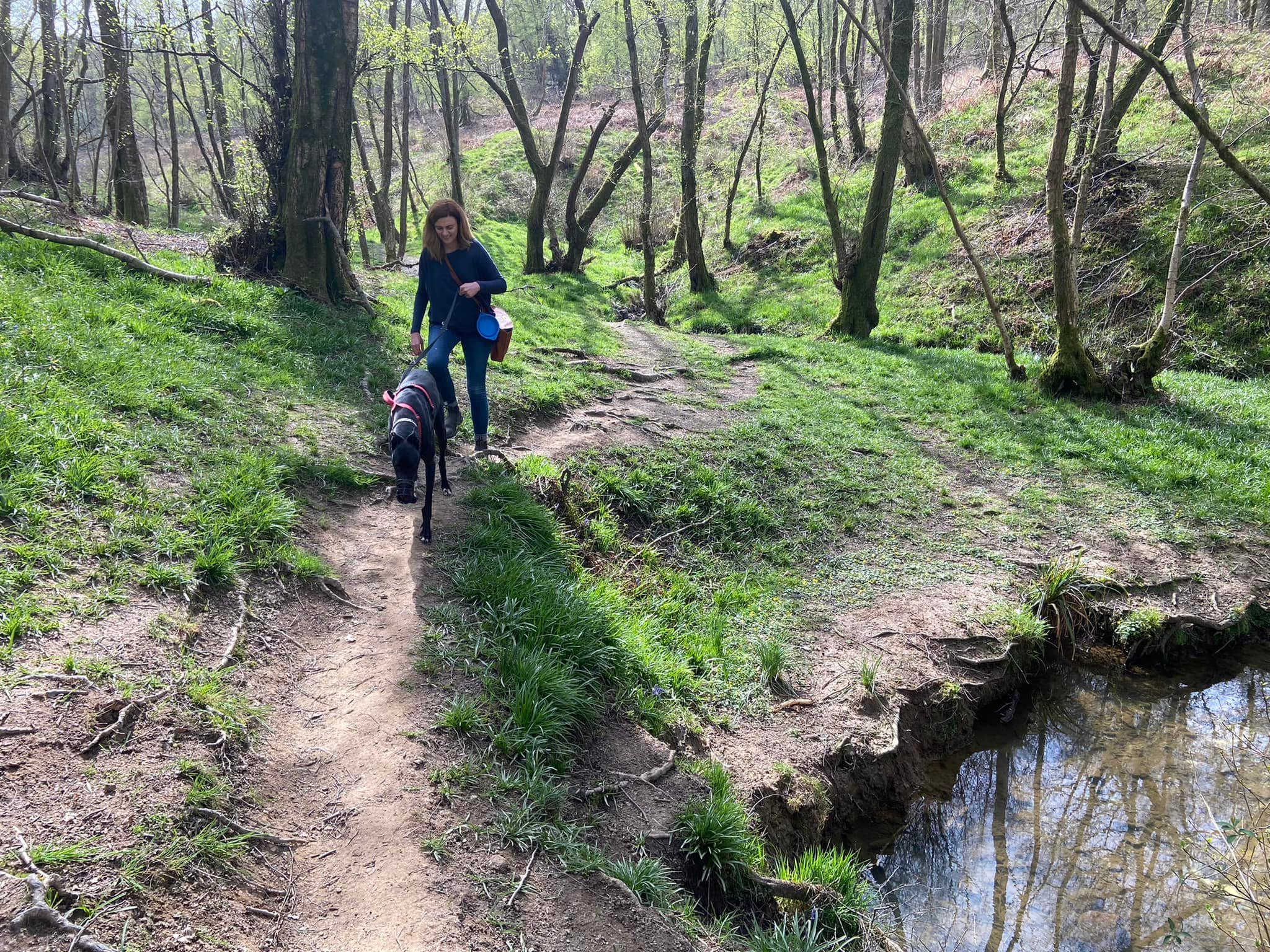
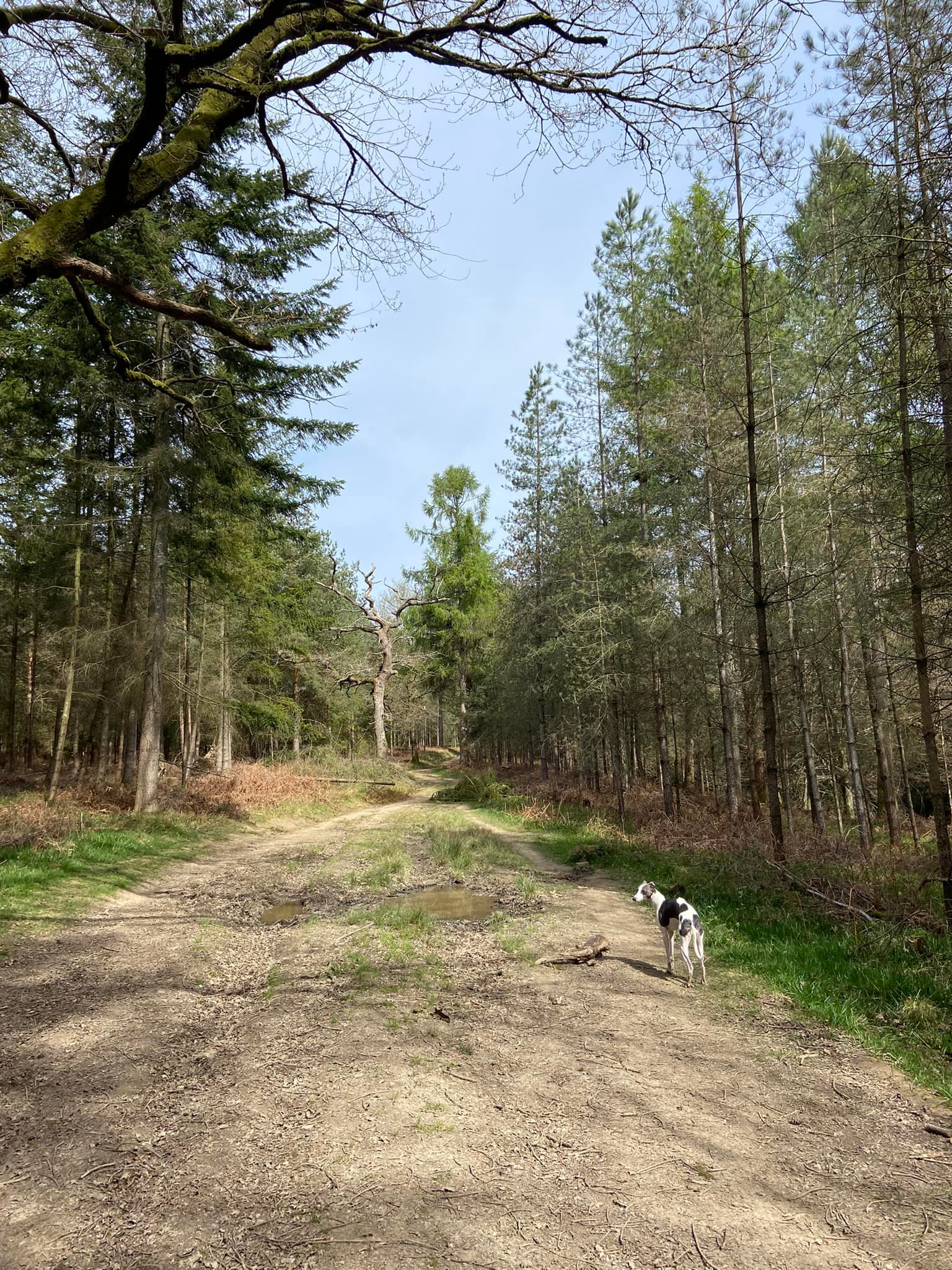
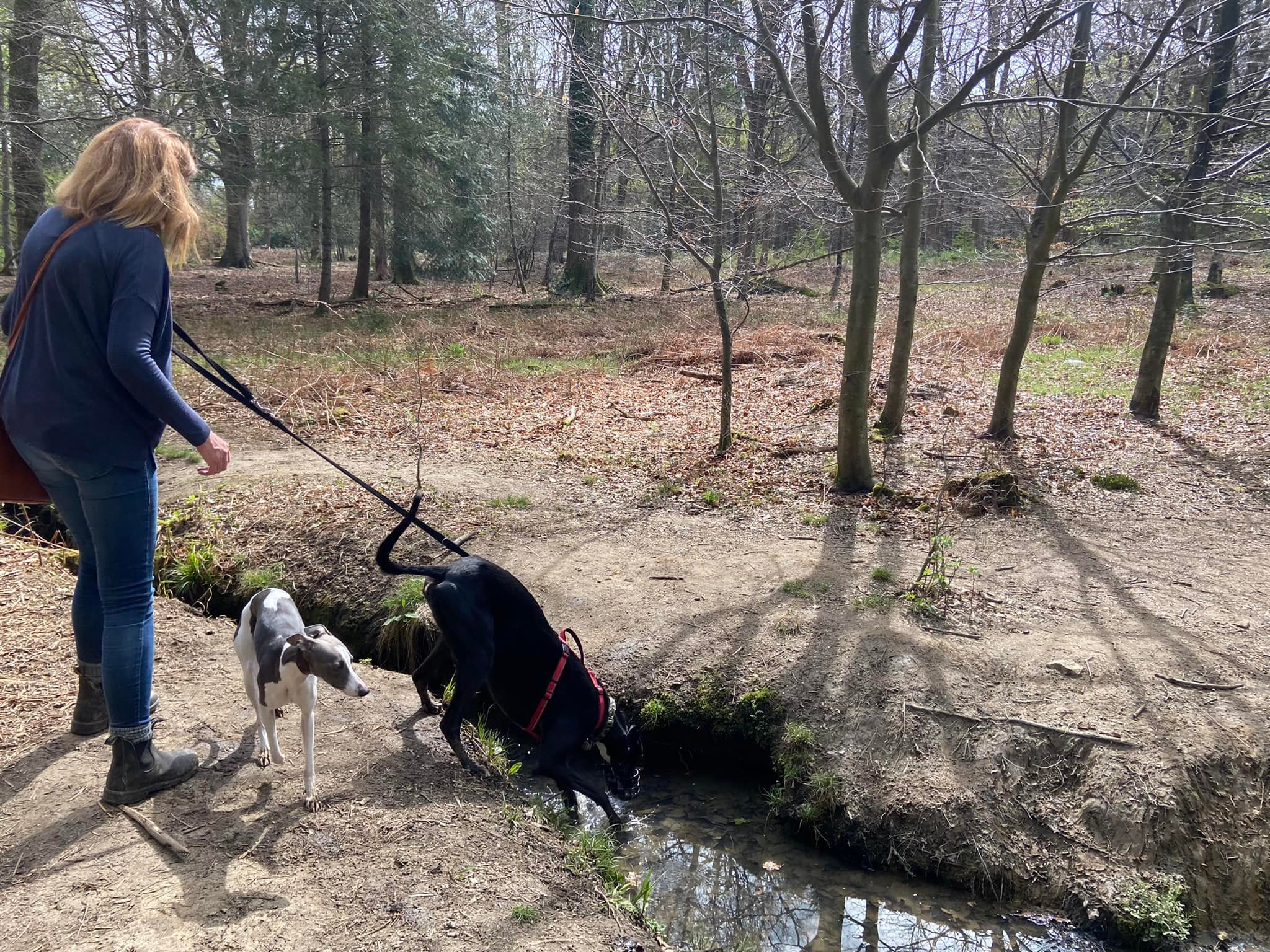
Cowdray Forest is part of the Paddockhurst Estate, a privately-owned woodland which allows some access to the public. Here, you’ll find a grid plantation of different types of trees so there’s quite a lot of variety to be had on any walk as you pass from section to section. Cowdray Forest adjoins Worth Forest, although there’s nothing to tell you when you pass from one into the other – this map shows where they meet. There’s a small stream running through Worth Forest, so when you’re near this, it’s safe to assume you’re in Worth Forest. Most of the paths down to the stream are quite narrow, winding and steep. The walk described below takes the gentlest (and safest) route down to it and back up again.
I don’t know how long this land will remain freely accessible as apparently Centre Parcs is interested in creating a new resort here.
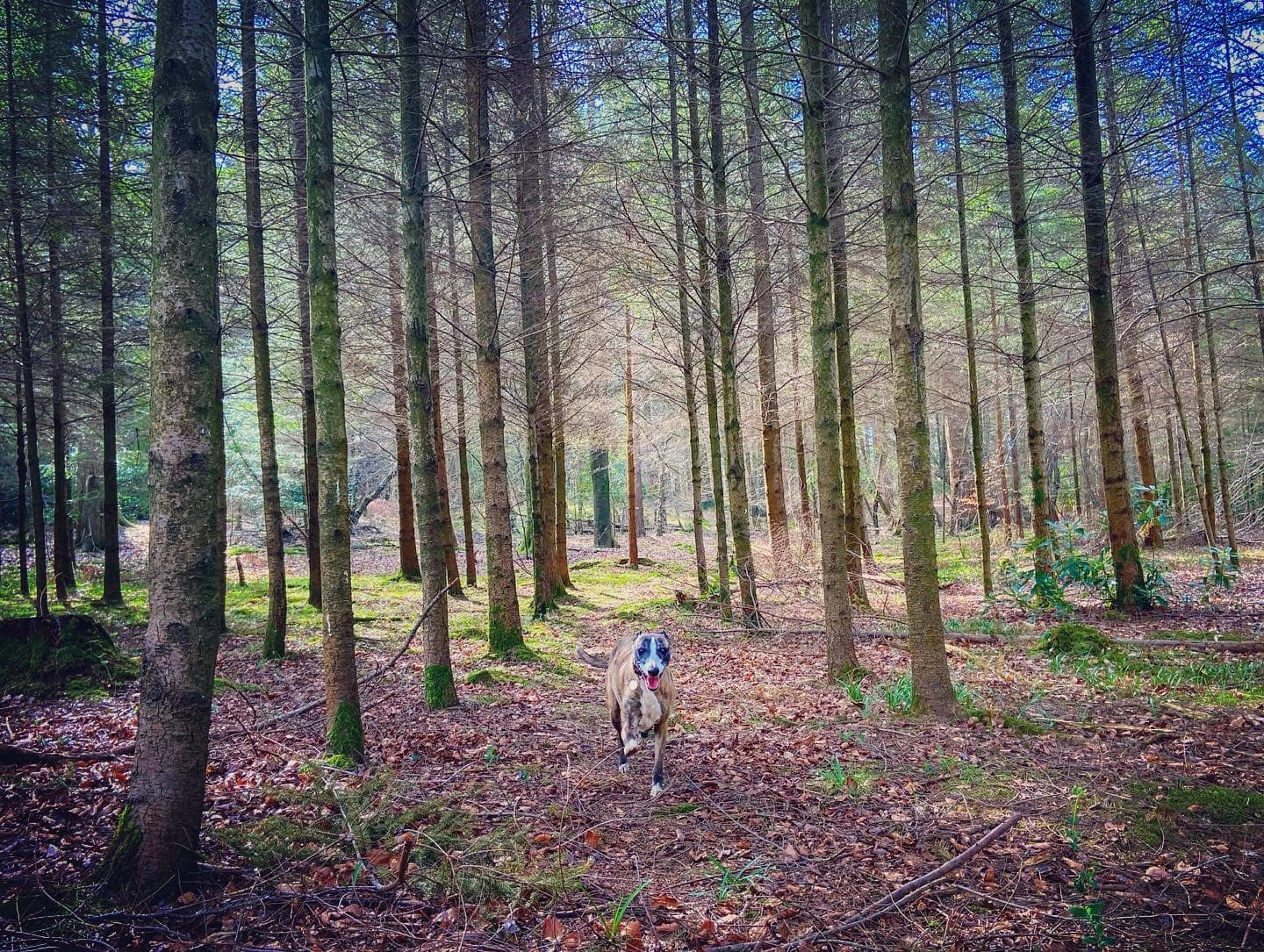
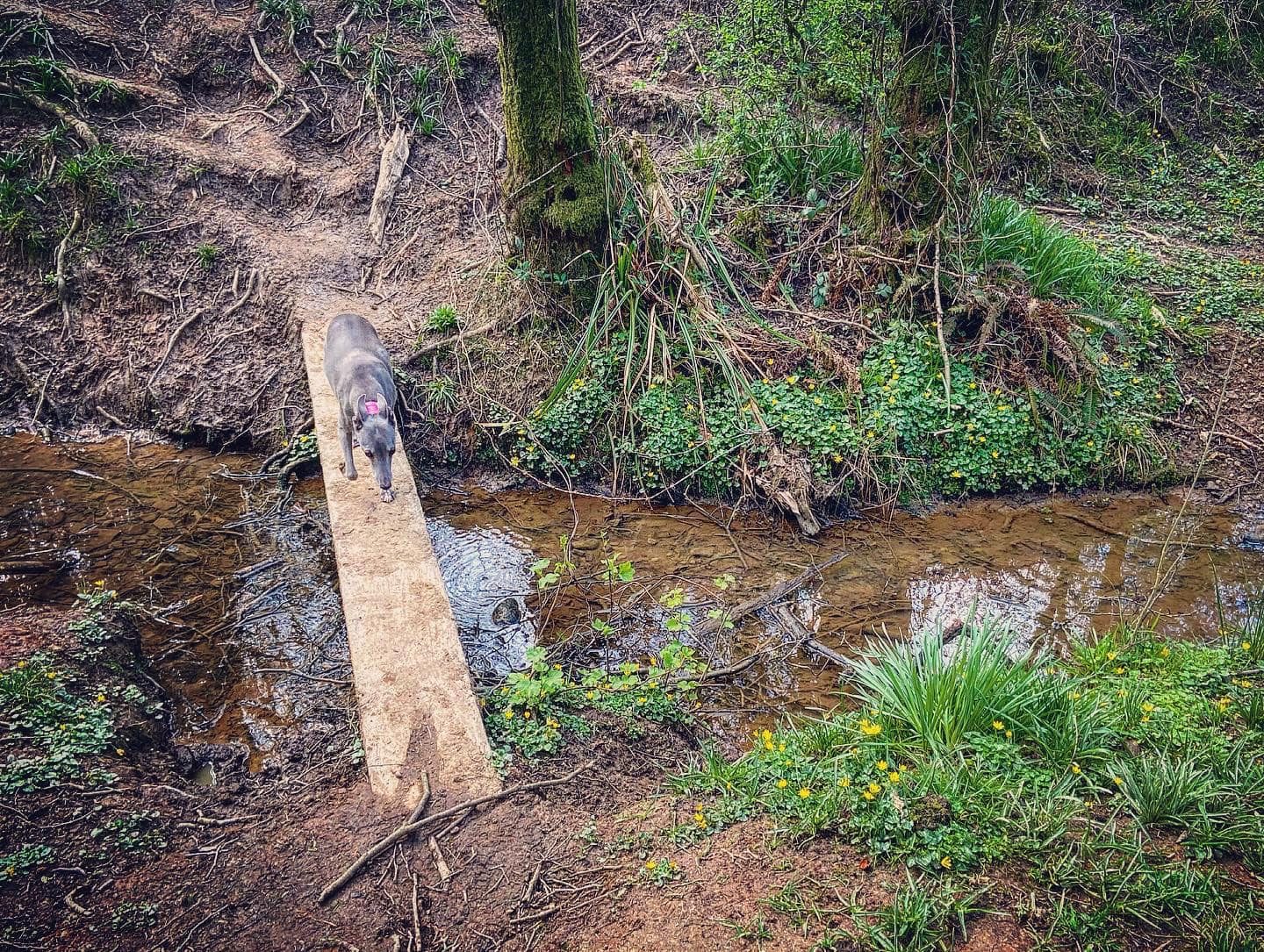
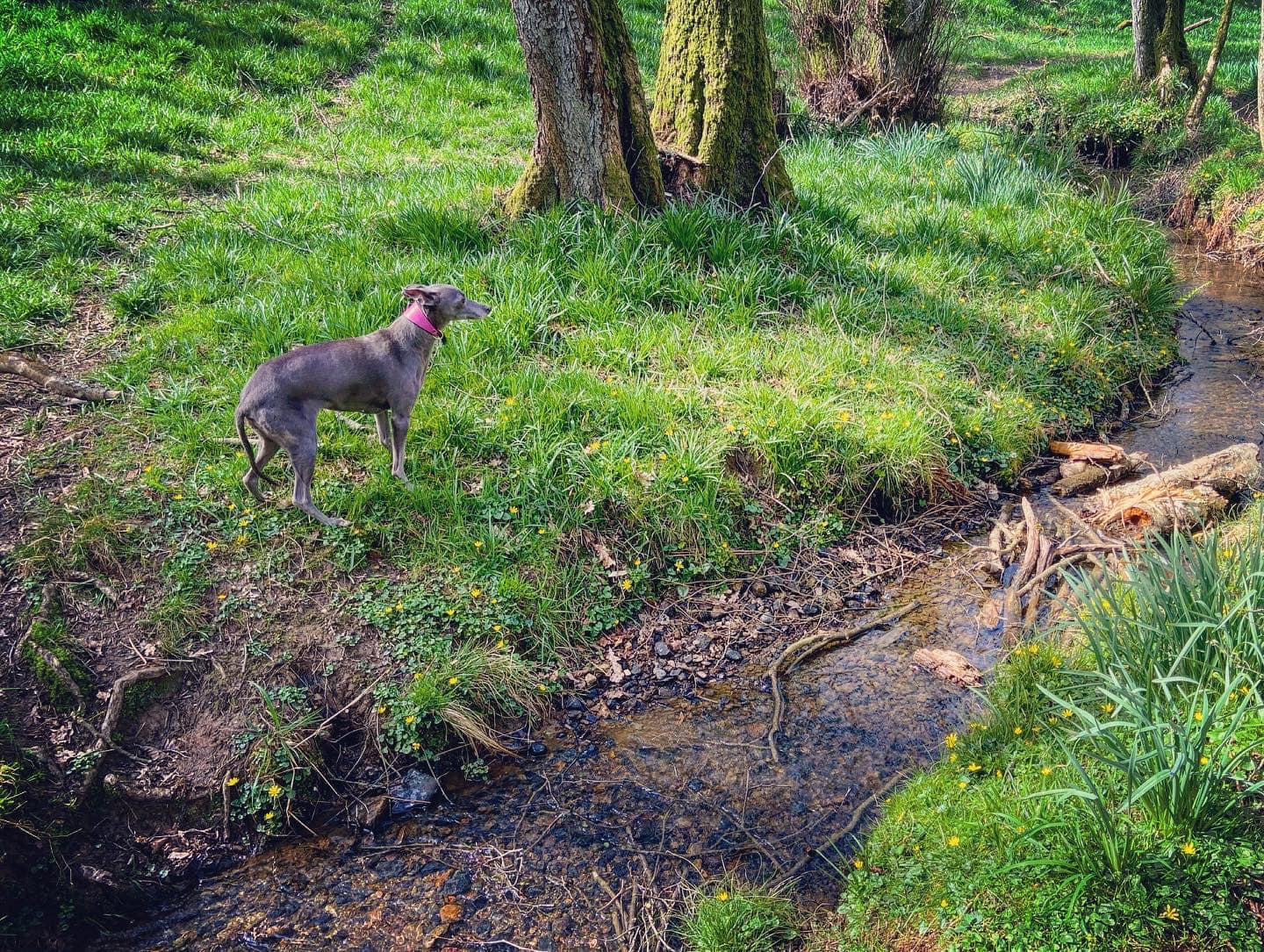
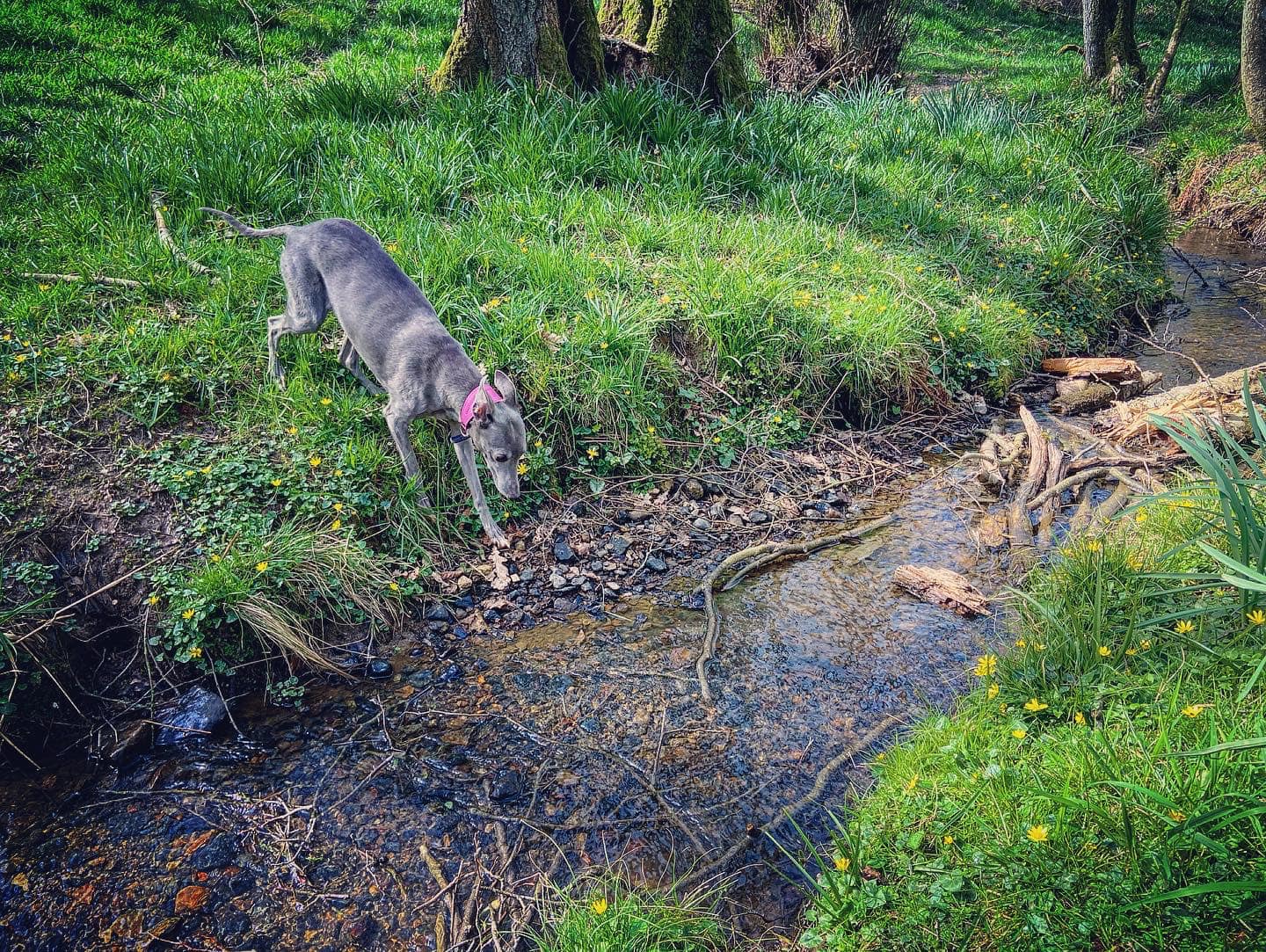
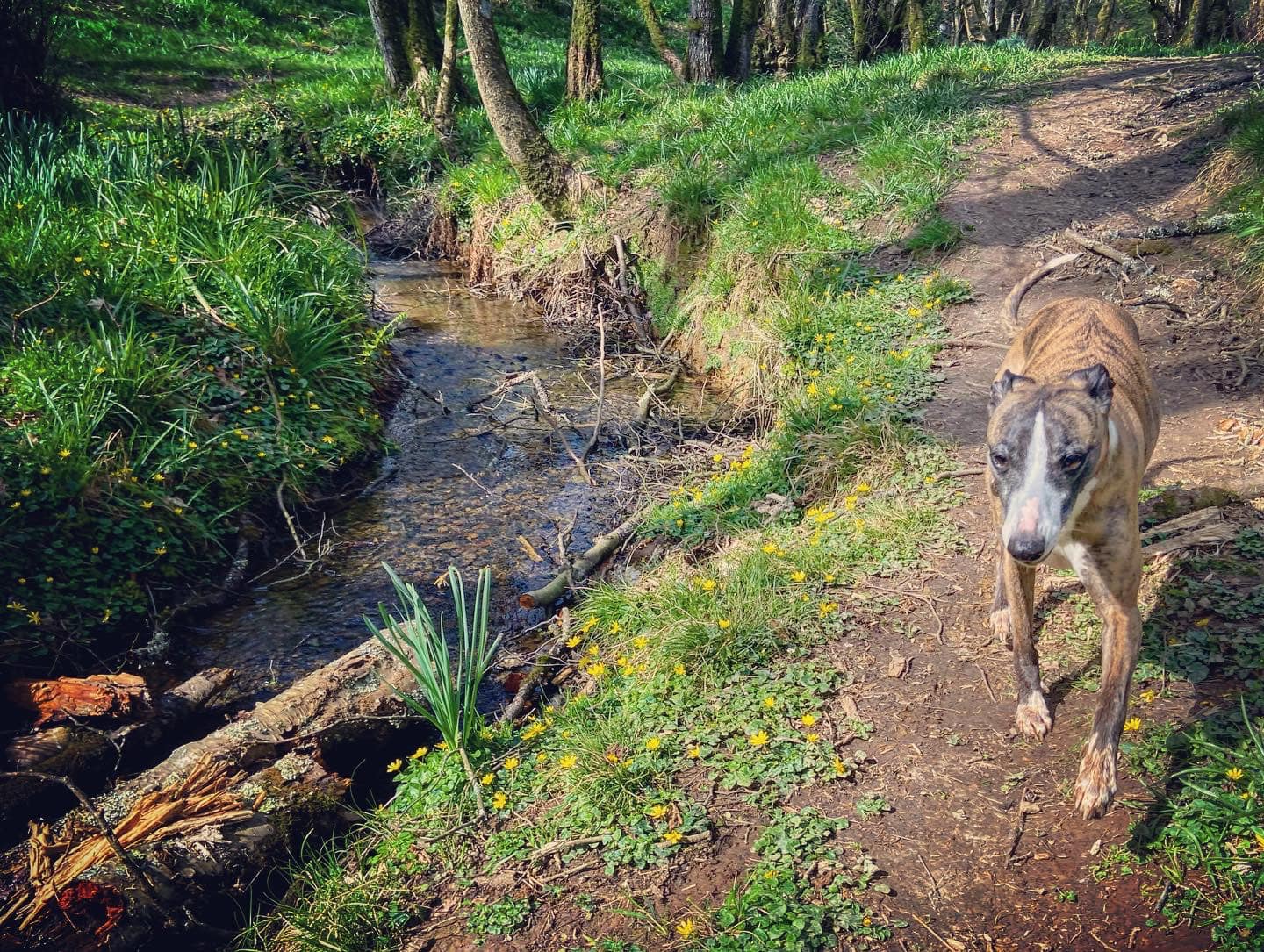
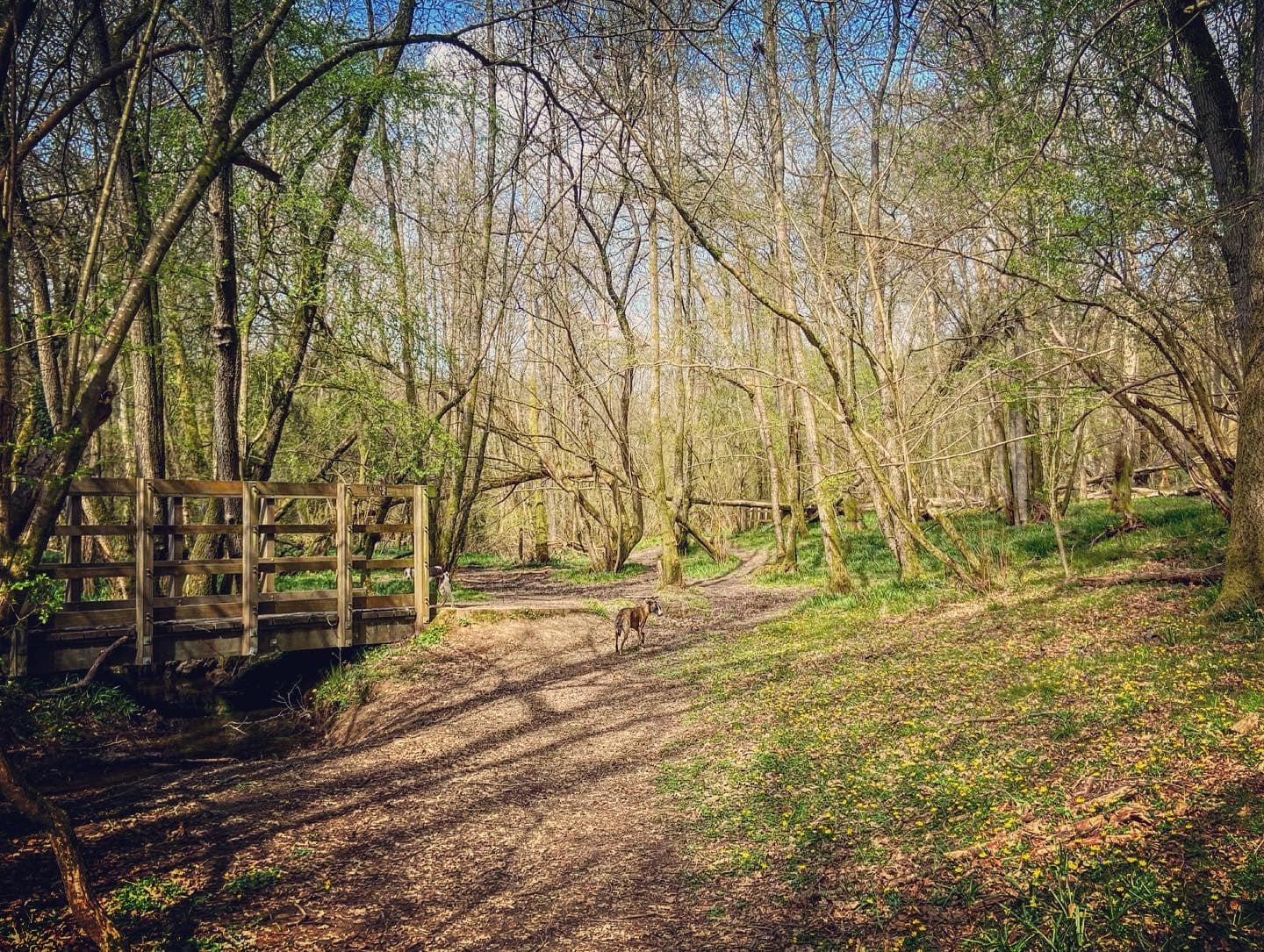
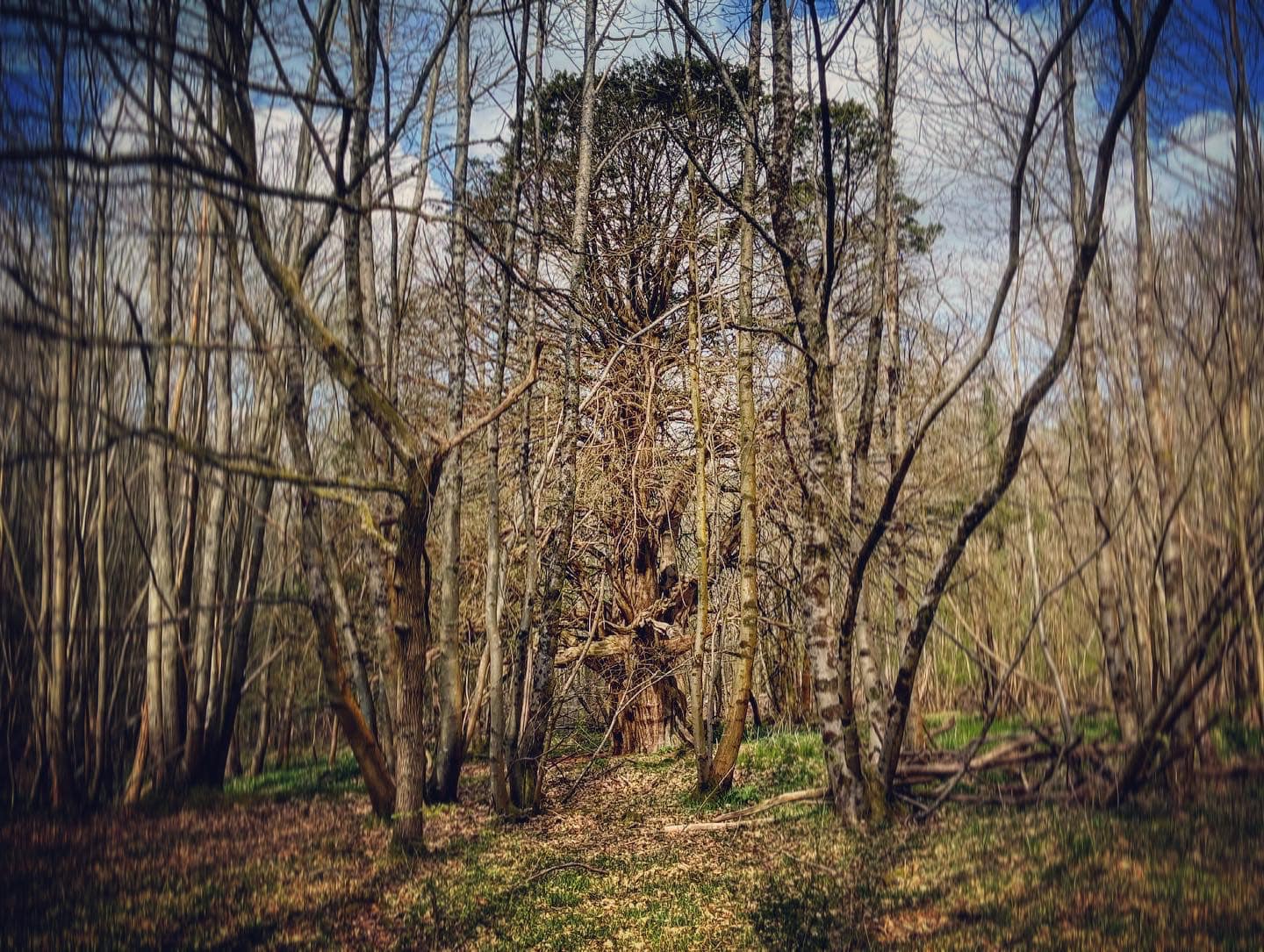
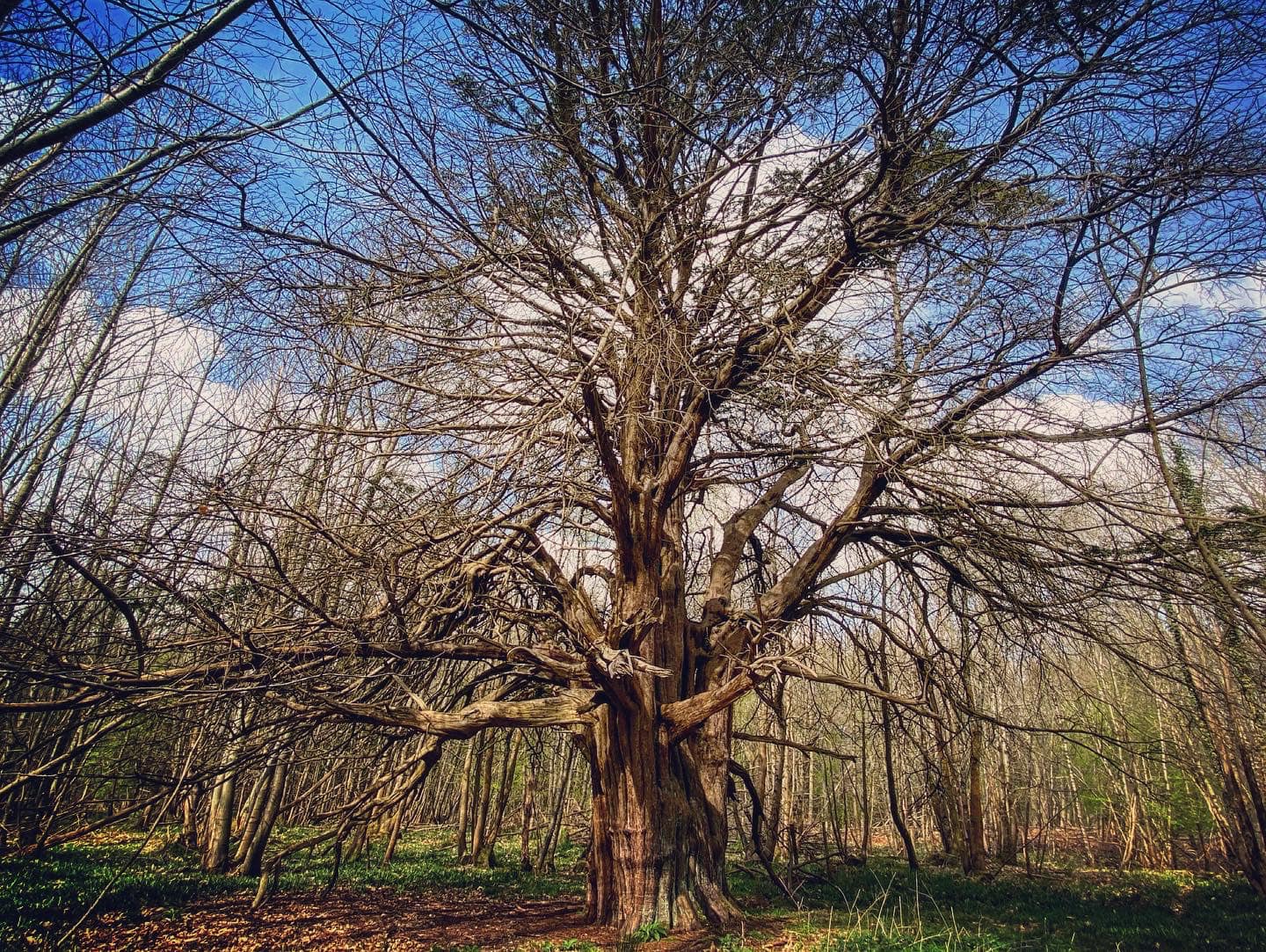
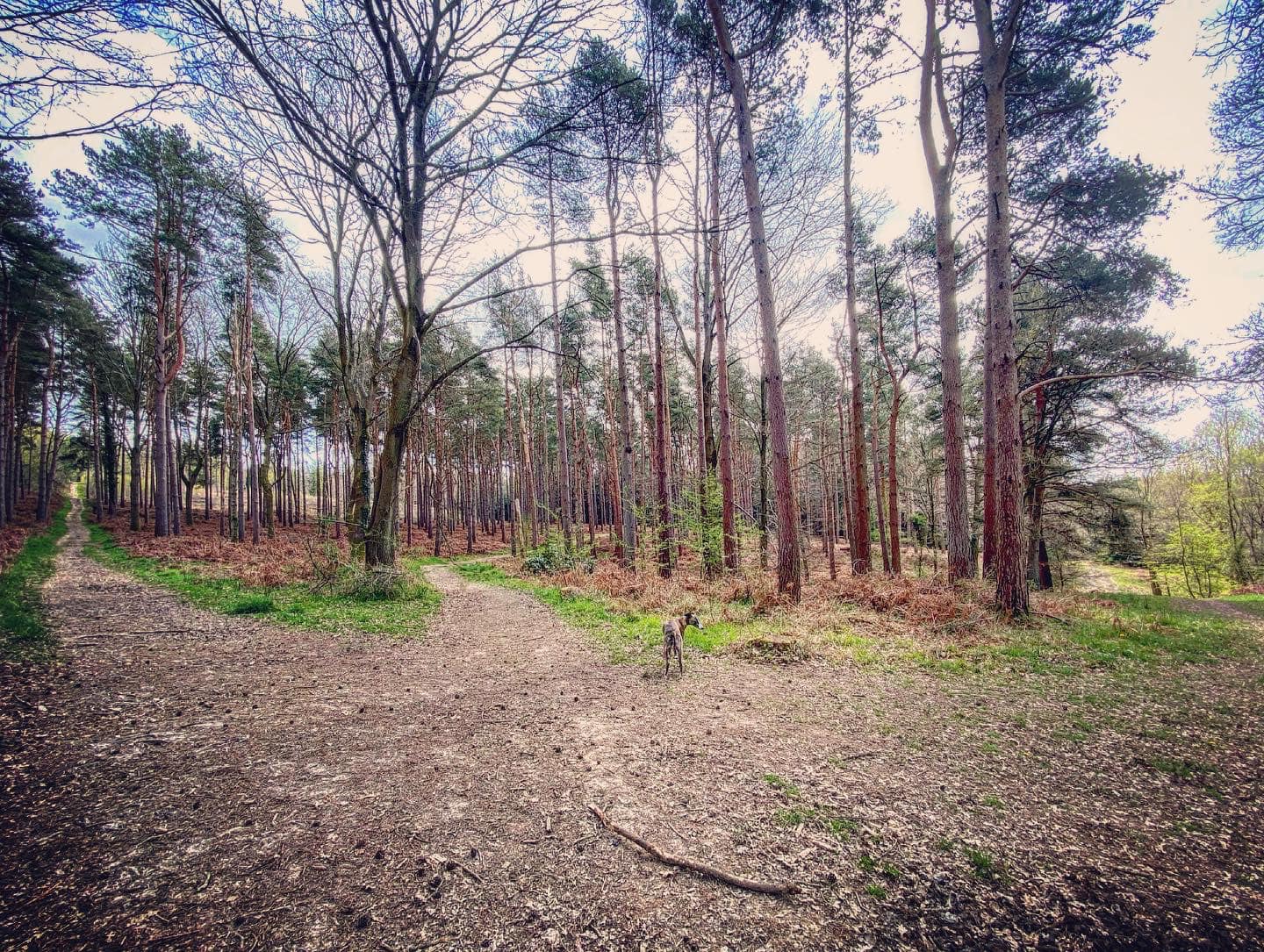
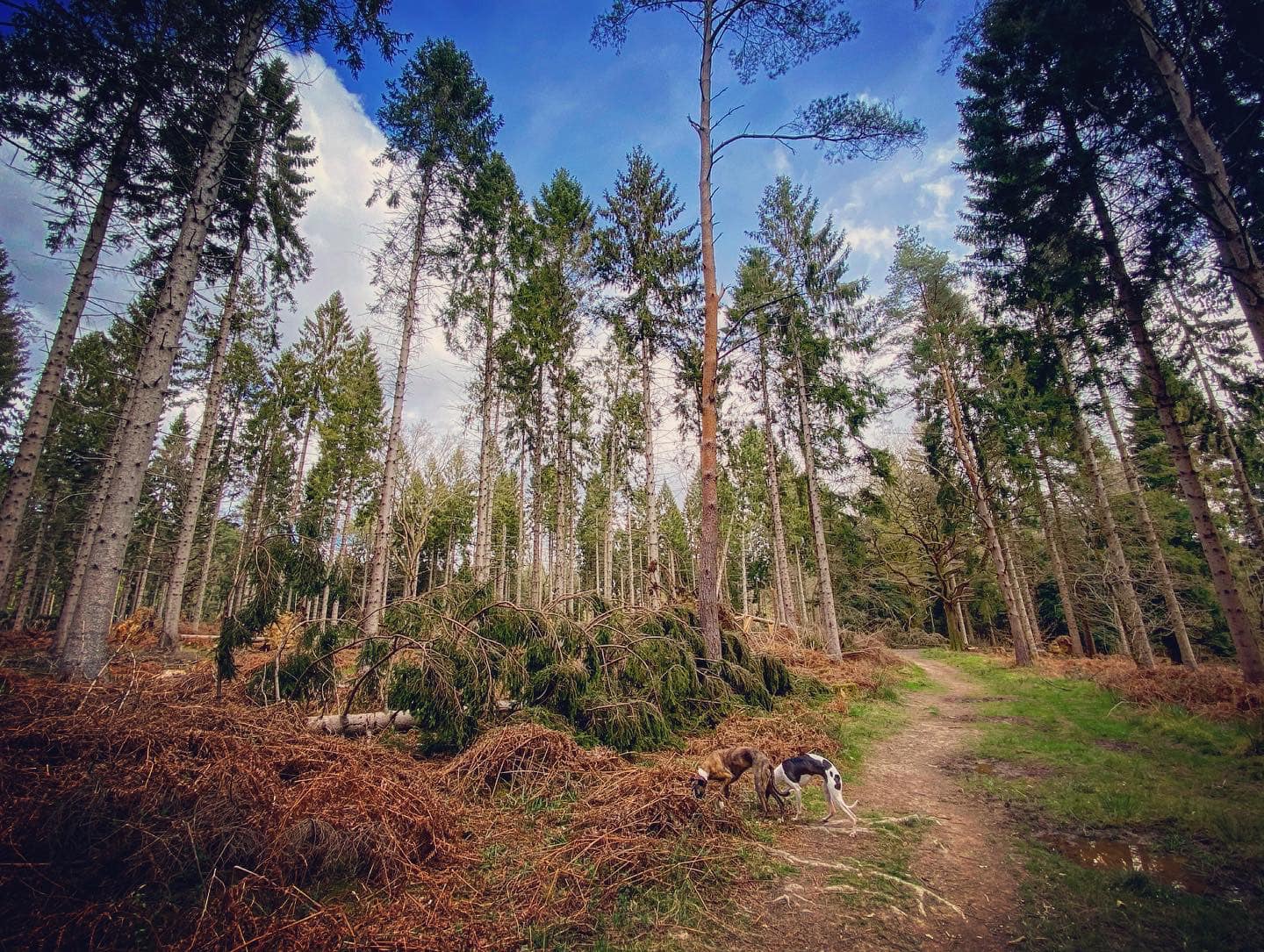
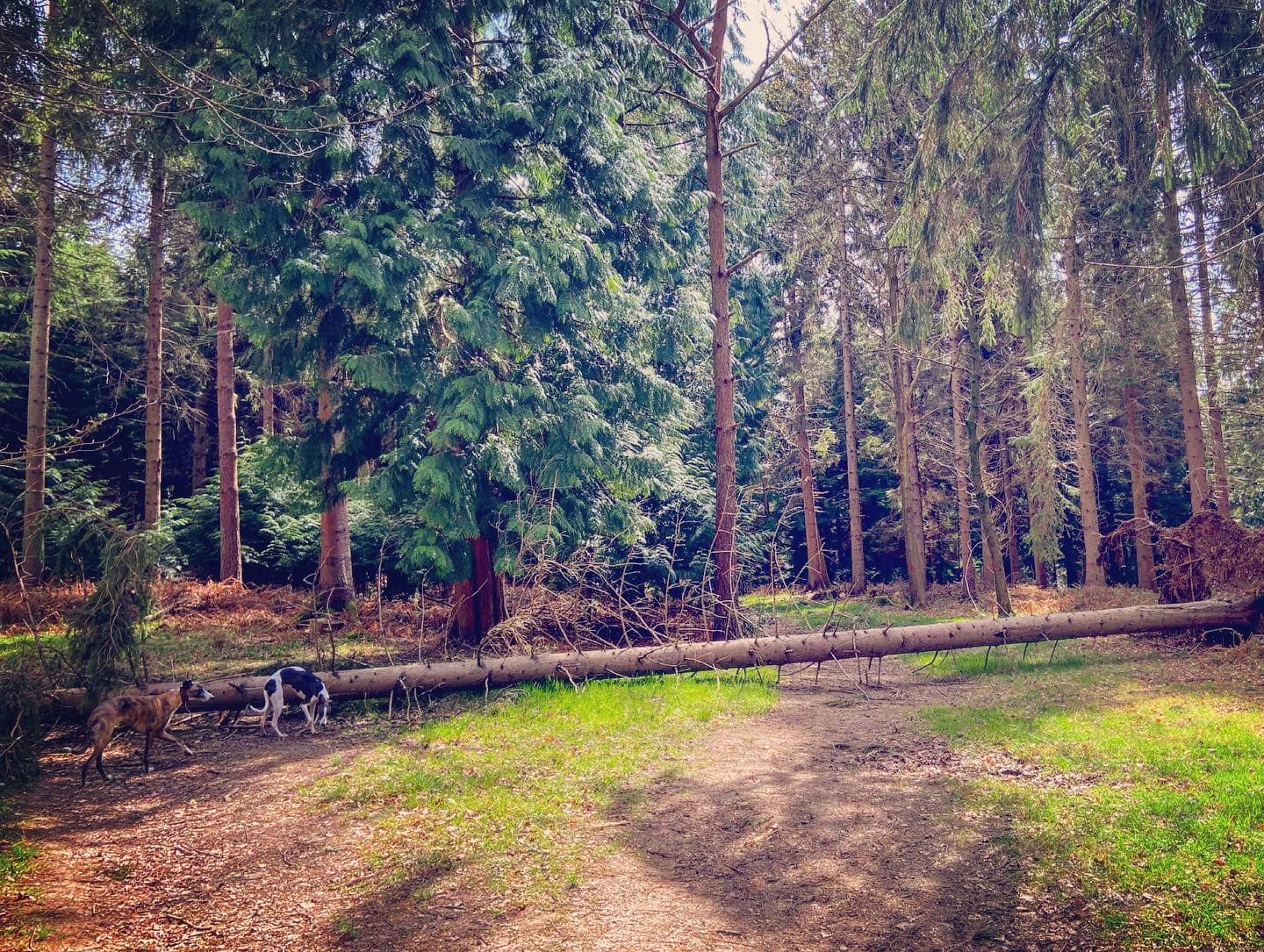
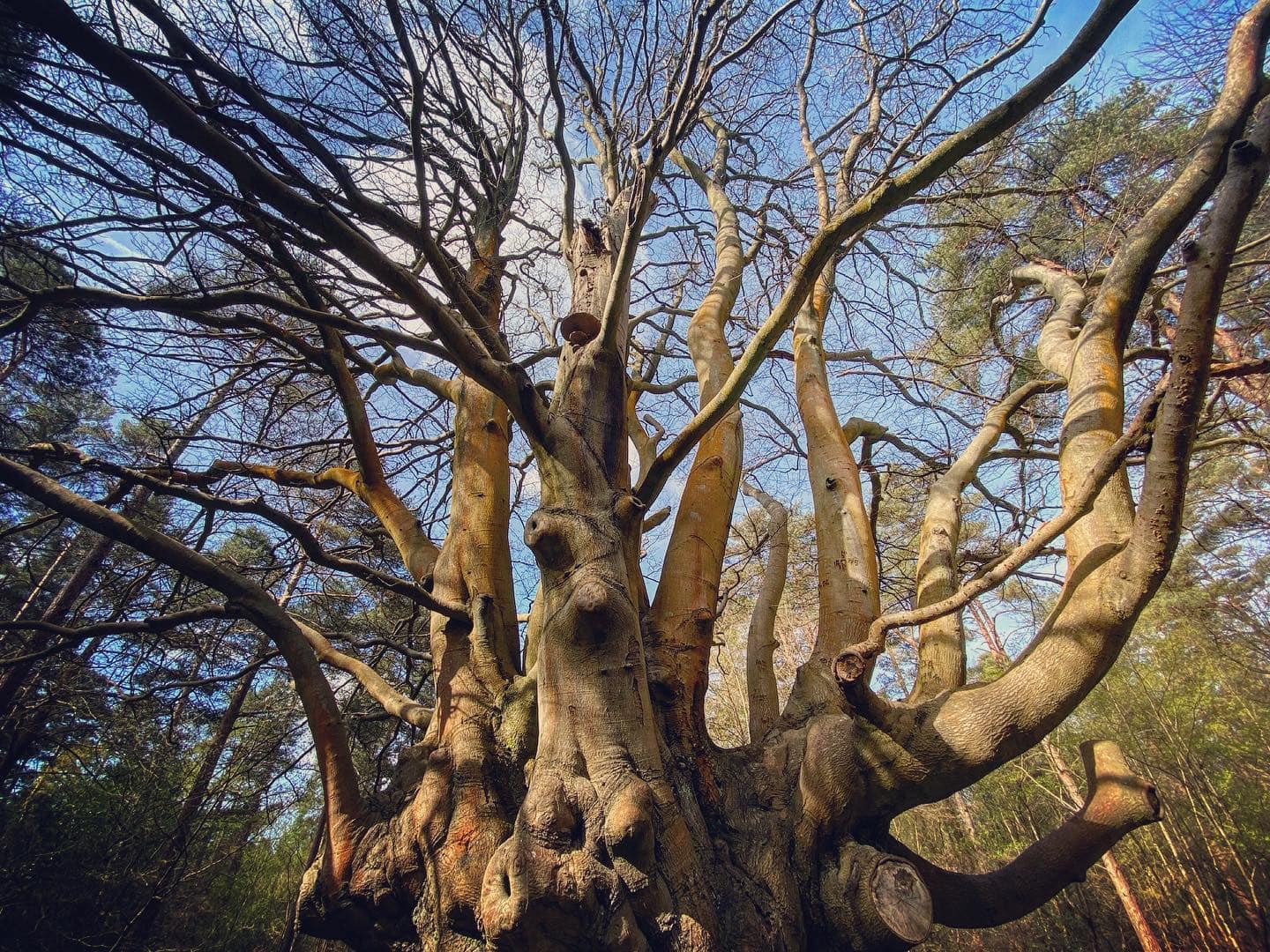
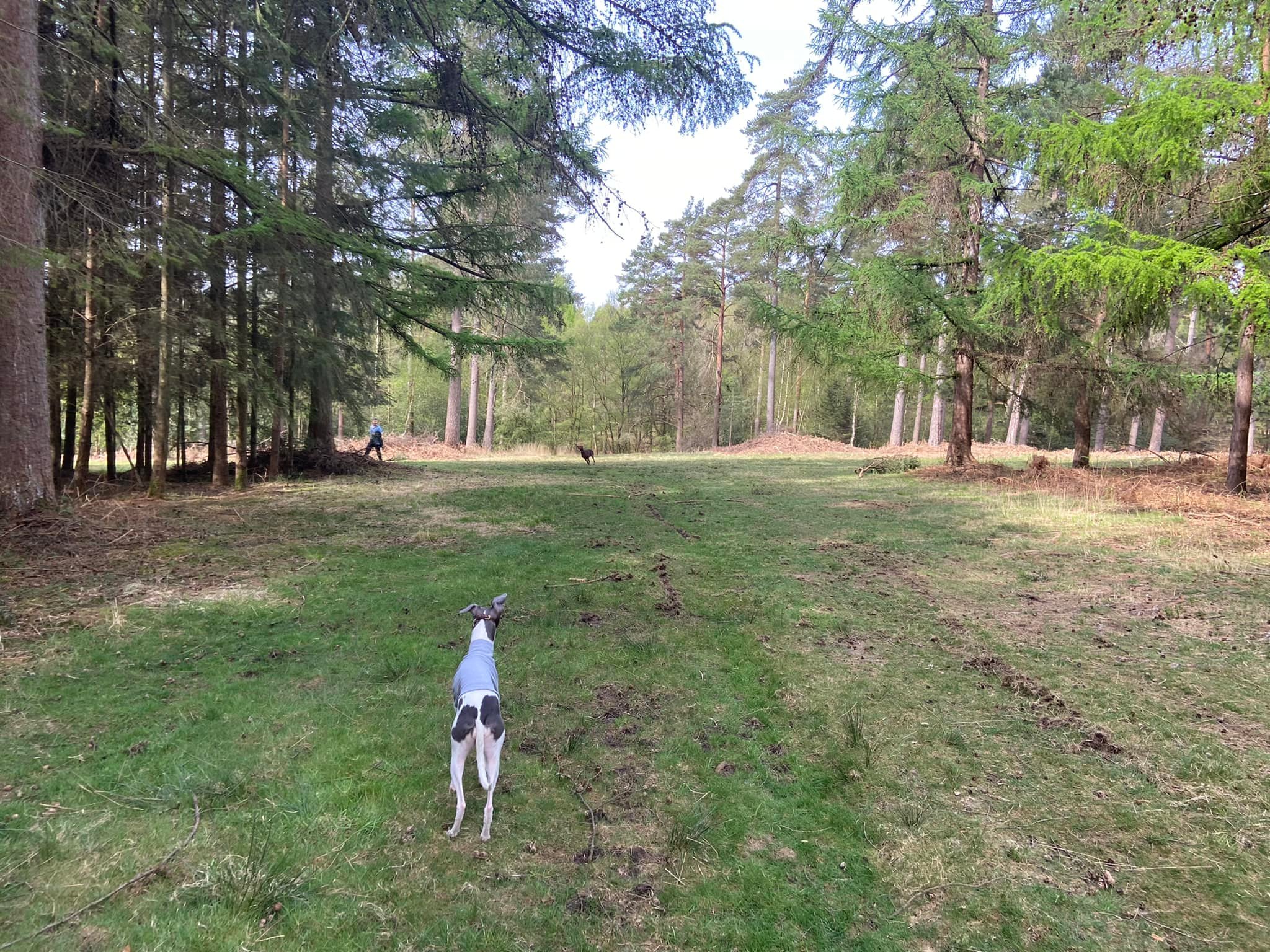
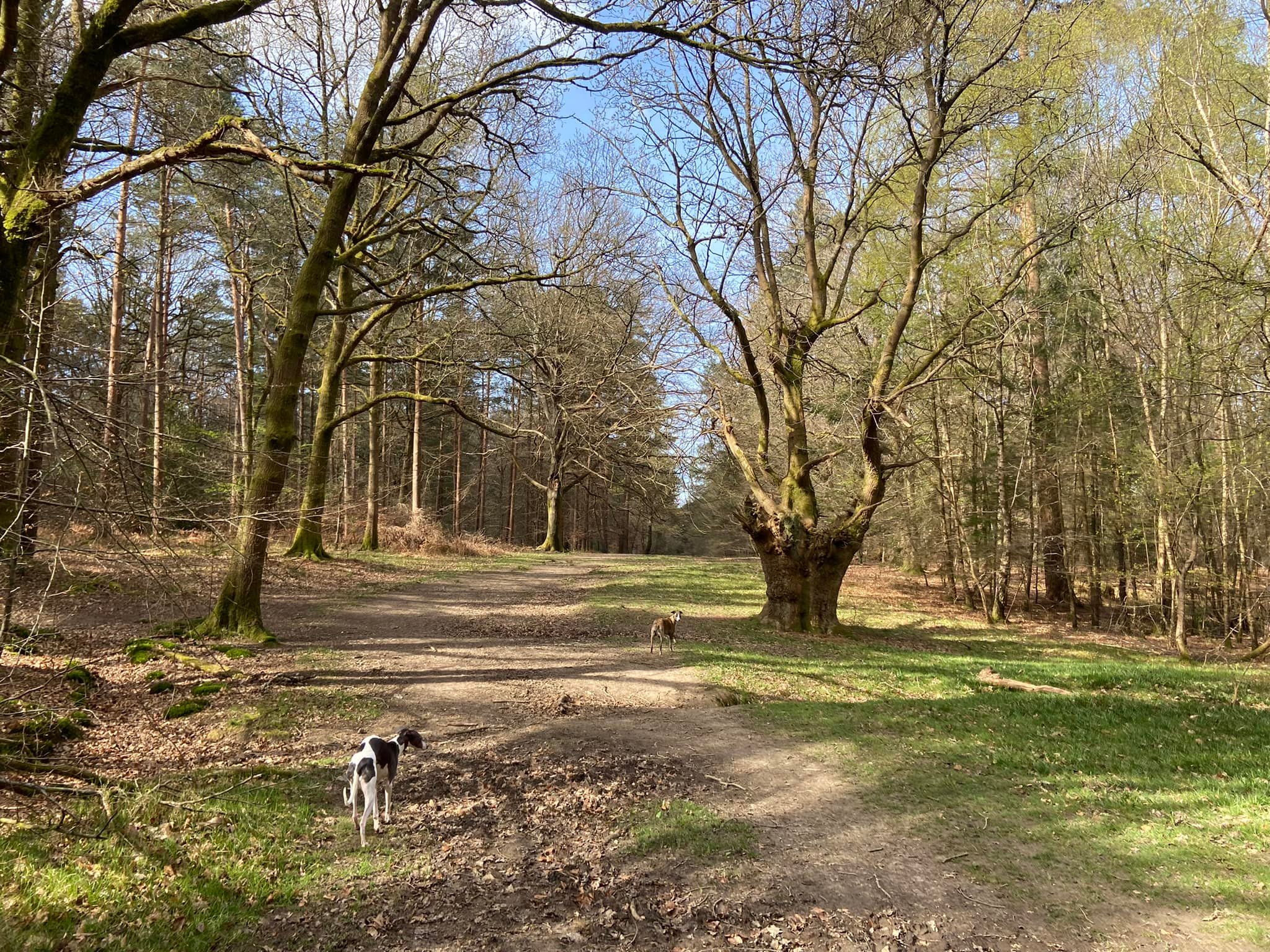
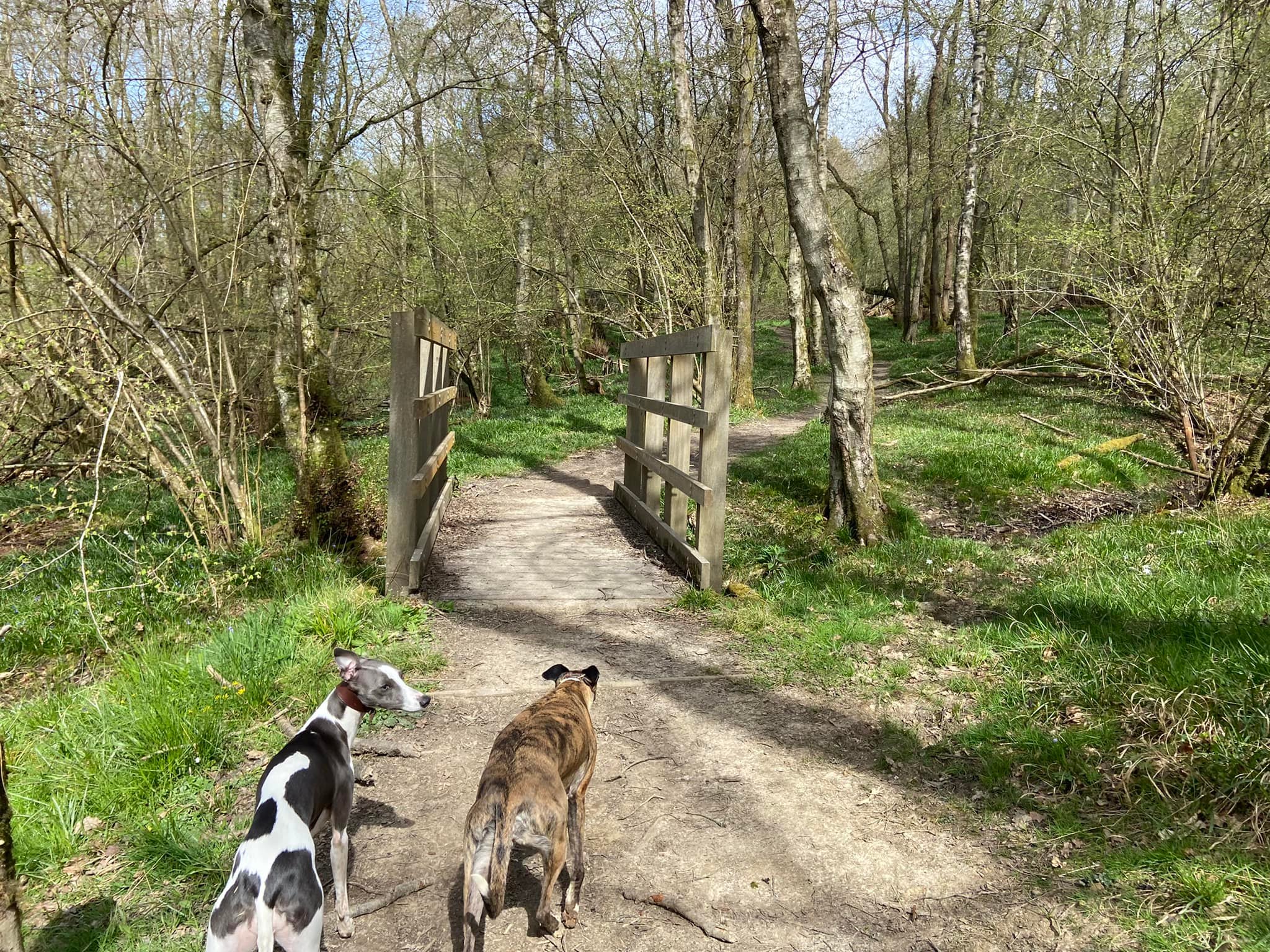
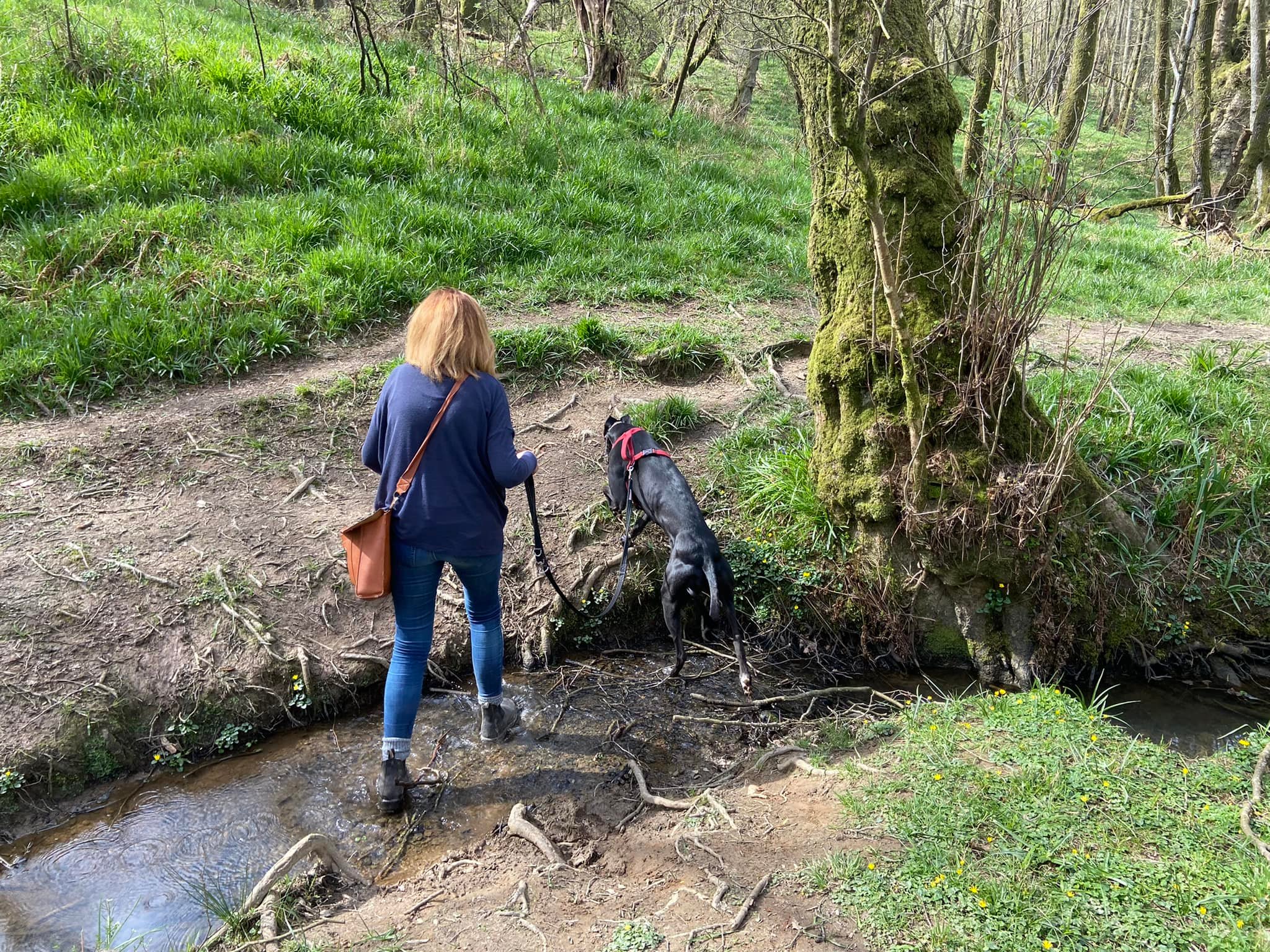
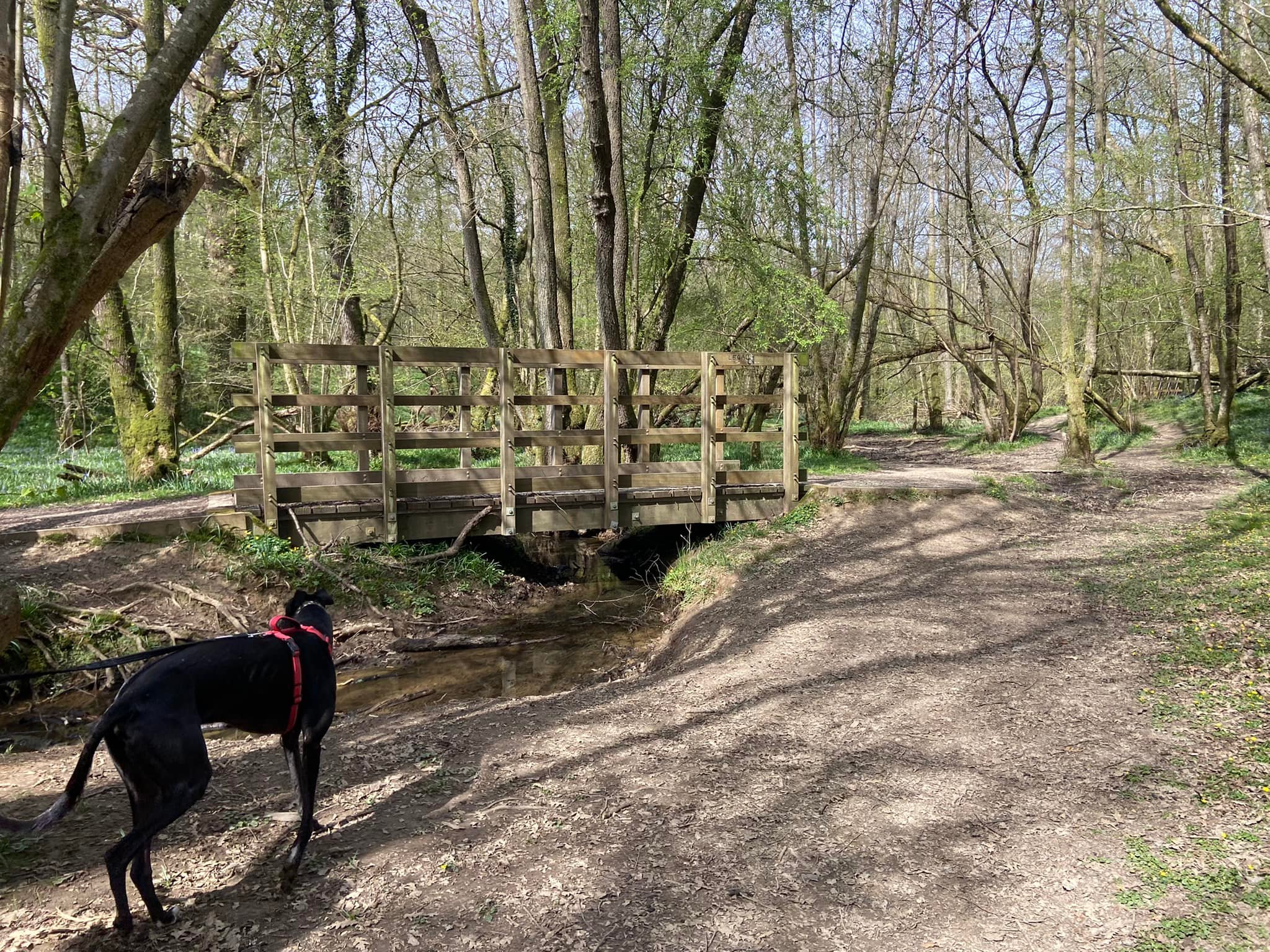
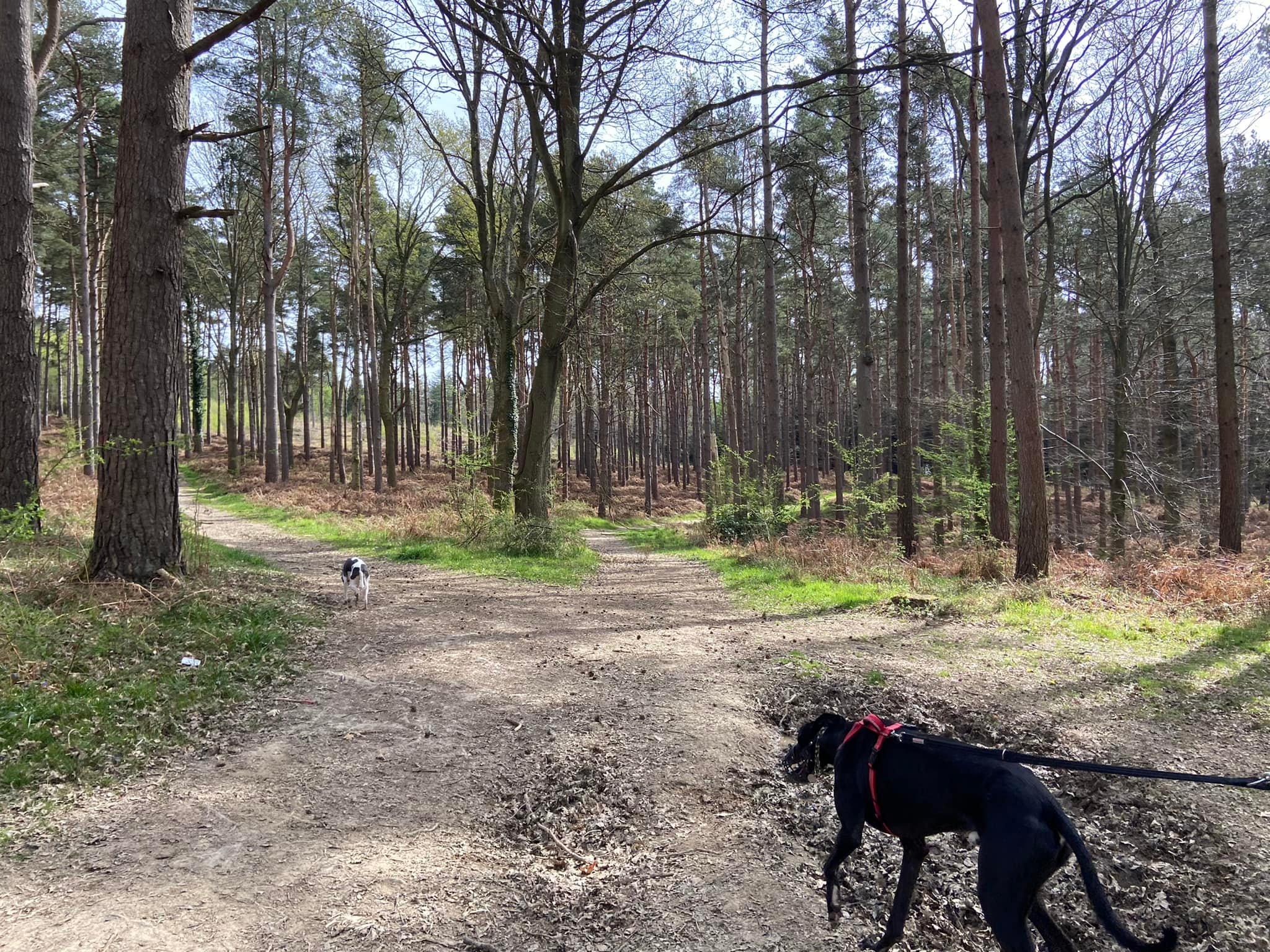
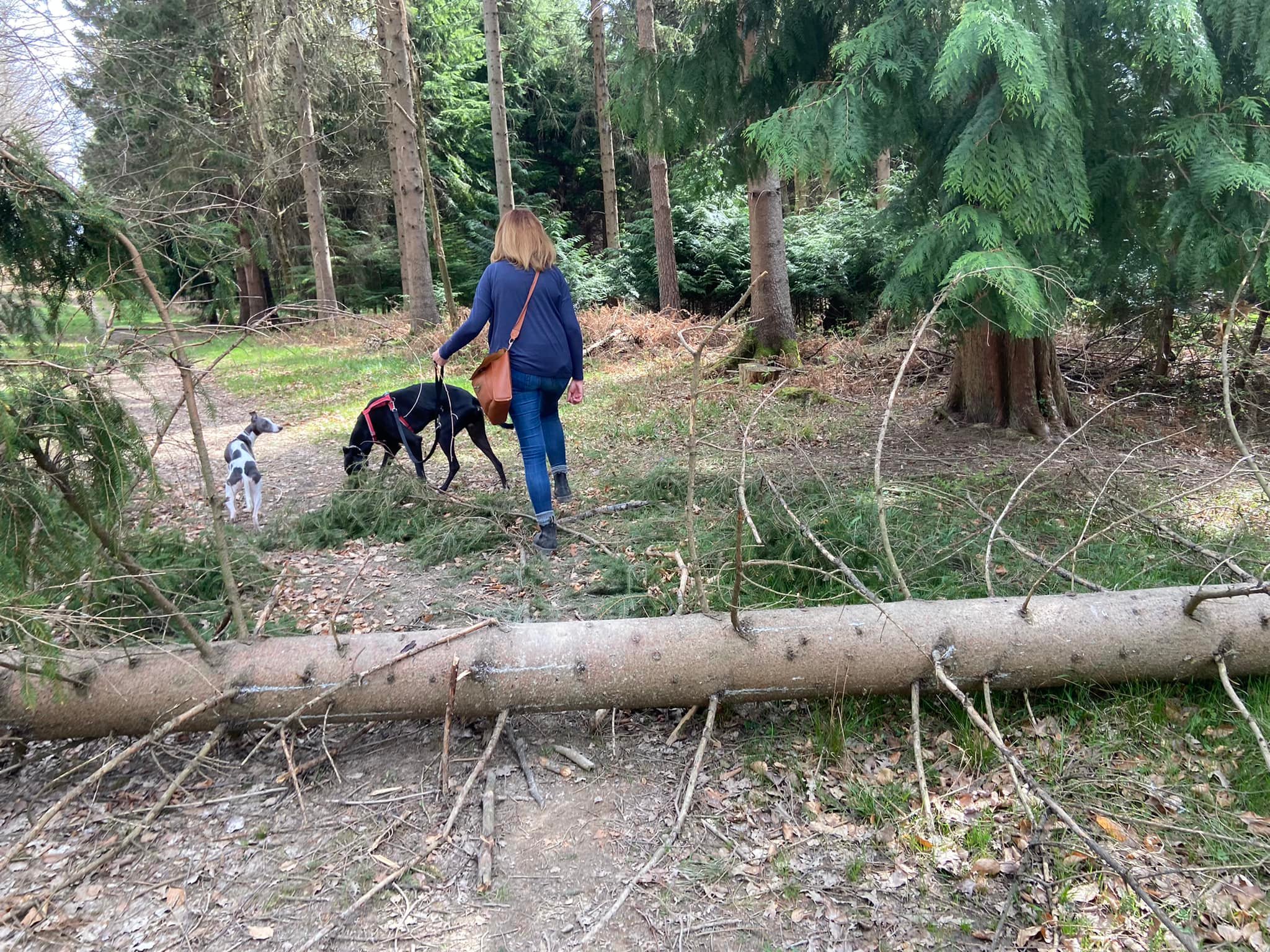
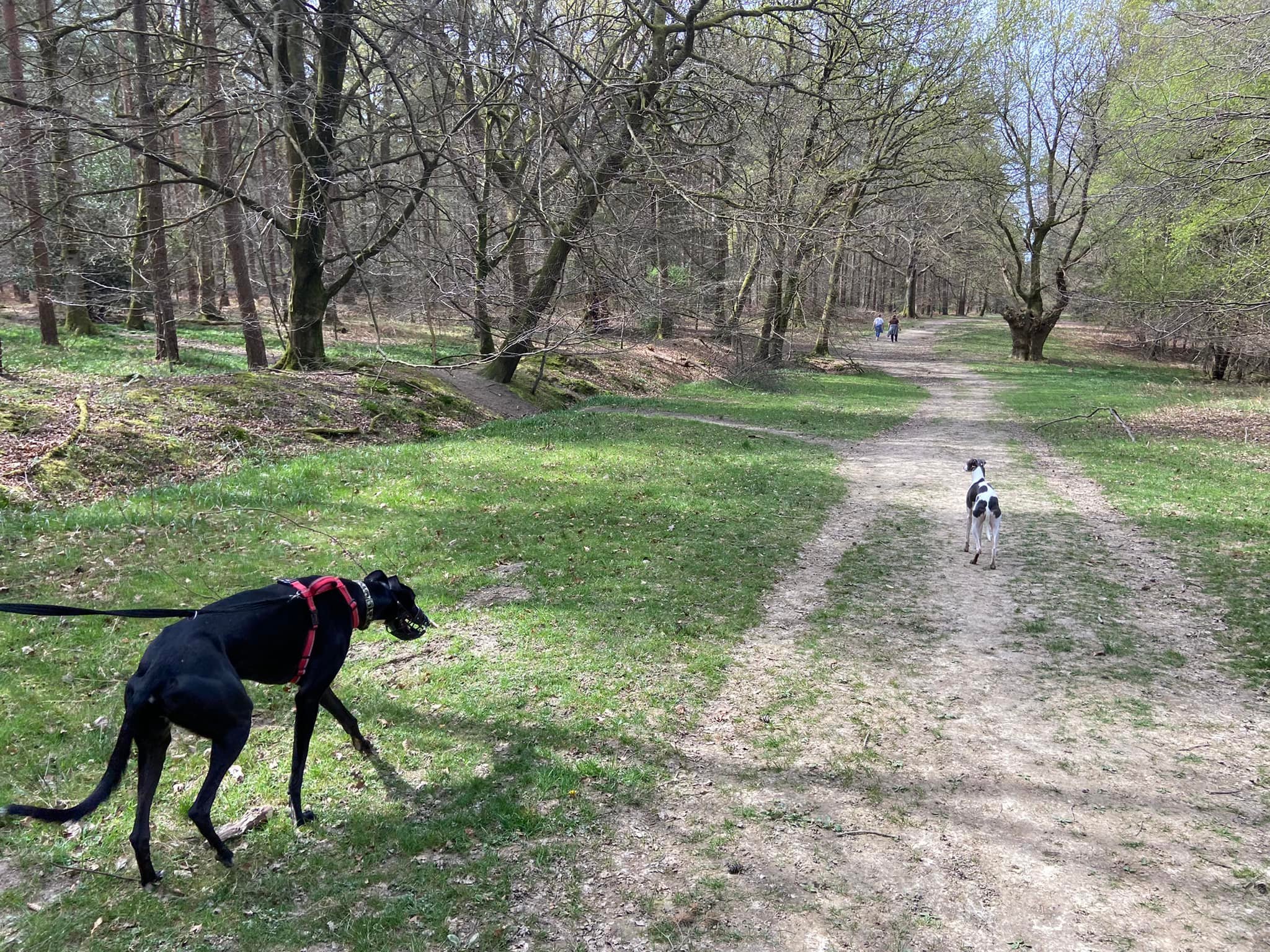
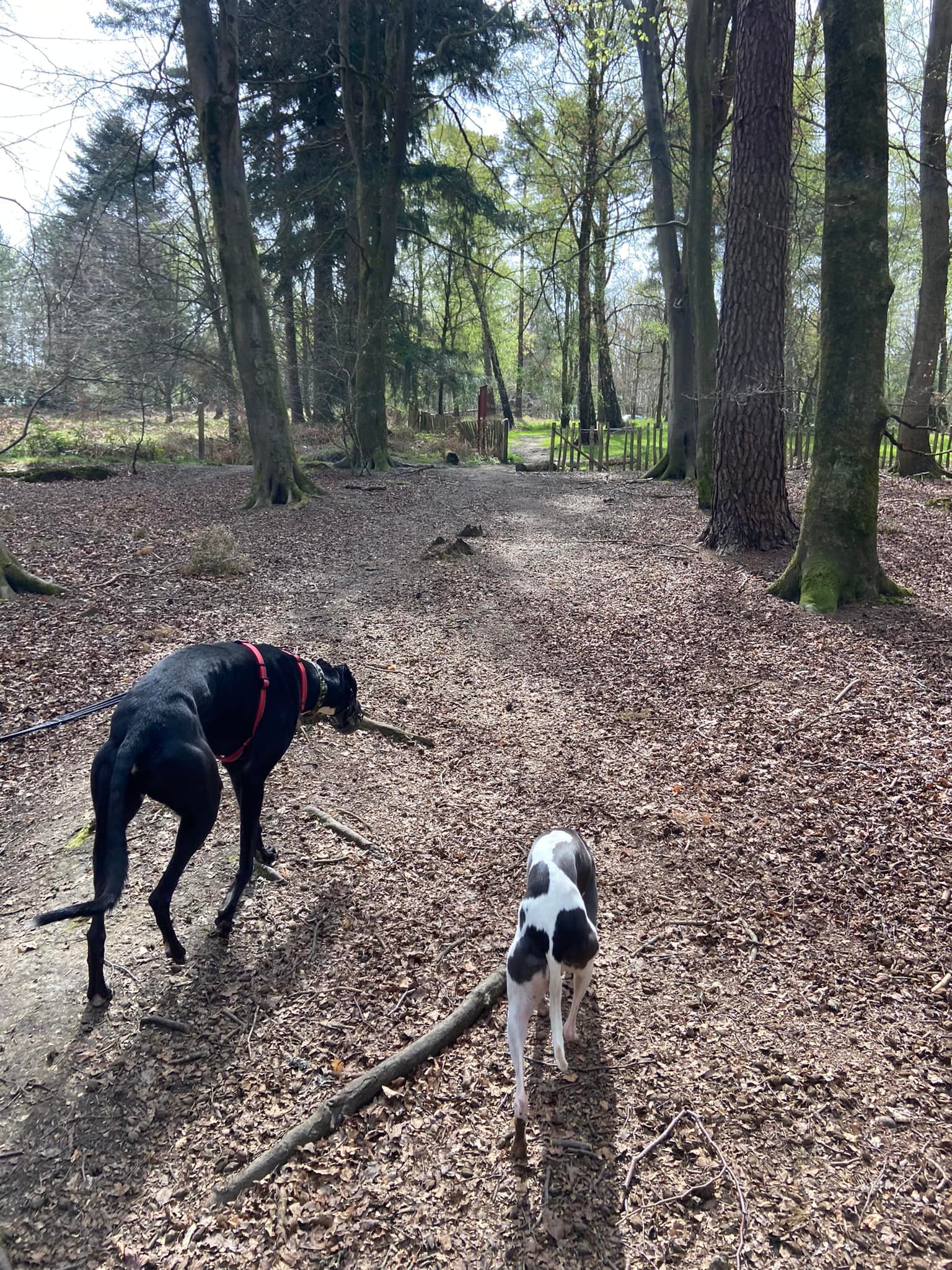
Gallery: What’s it like here?




Parking
Park in the free Cowdray Forest car park.
Poo bins?
None, please take waste away with you.
Self-guided walk
Here is a Footpath app route from the free Cowdray Forest car park on the B2110 High Street, round the corner from the Cowdray Arms pub. Also on AllTrails. It goes through Cowdray Forest and Denches Copse, then along the stream in Worth Forest before looping back.
This really is a walk best left for springtime (when bluebells are out) and summer when the ground isn’t as waterlogged. In the winter when it’s slippery and muddy underfoot it really is a miserable place!
Length: approximately 3.4 miles/5.5 km
Terrain: Woodland, grass. mud and surfaced paths/tracks. Can be muddy in winter. Some slopes, but nothing too steep. Path along the stream is very uneven in places with lots of little ups and downs and tree roots.
Stiles/kissing gates? No stiles, no kissing gates

With your back to the road, head downslope across the grassy area towards its rear right hand corner, where there is a gap in the wooden fence and a map of the Paddockhurst Estate, showing you the layout of the plantations of different species of trees.

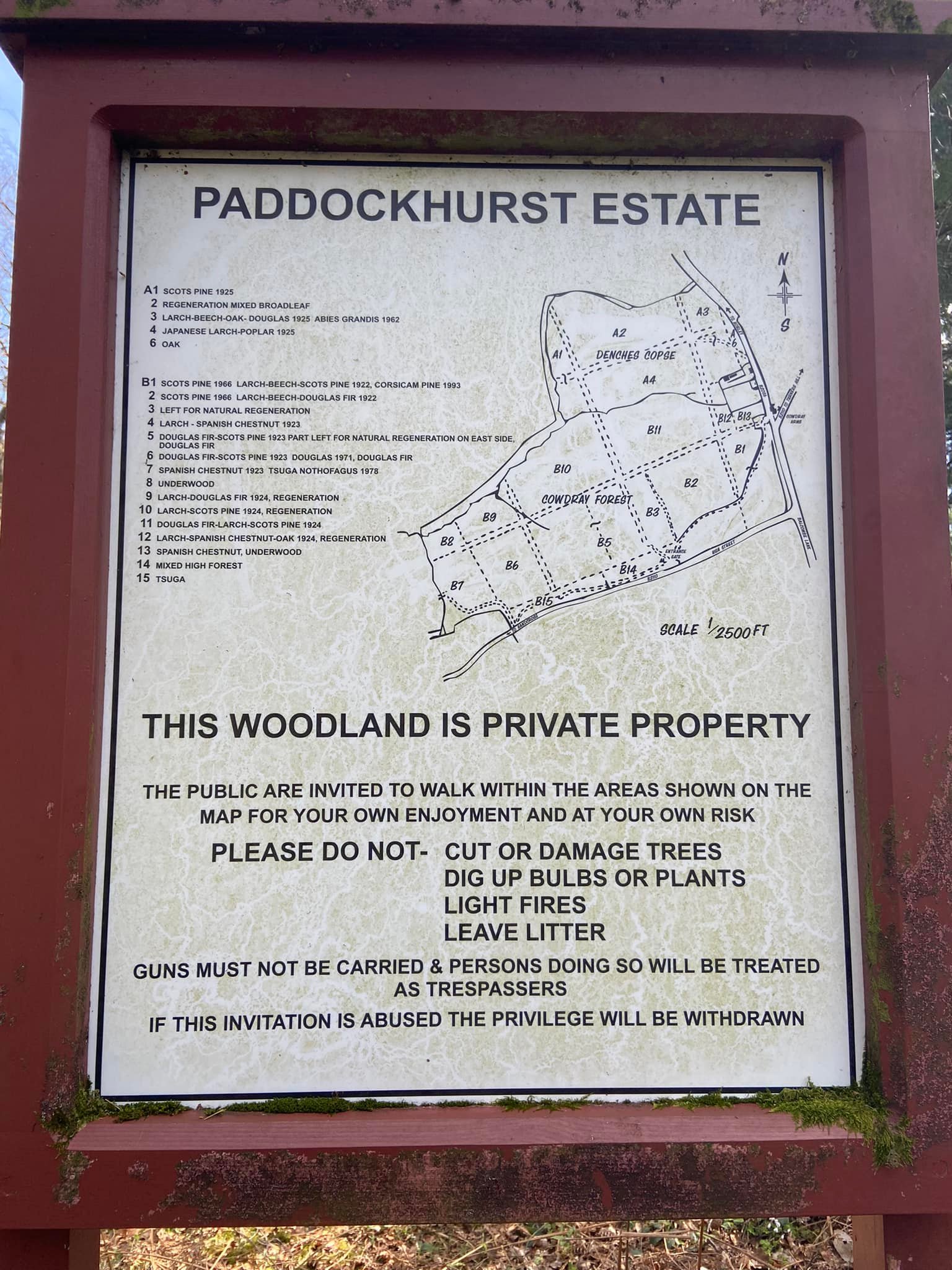
Go through the gap and walk straight ahead downslope into the trees and away from the fence. This isn’t the most distinct path ever and you may lose it as you pick your way through the trees but just keep going straight and you’ll pick it up again as it does become clearer the further you go. You’ll come down to the main wide path that cuts from one end of the forest to the other. If you look to your left, you’ll see a big ancient tree in the middle of this really wide path – instead, turn right and walk in the opposite direction.
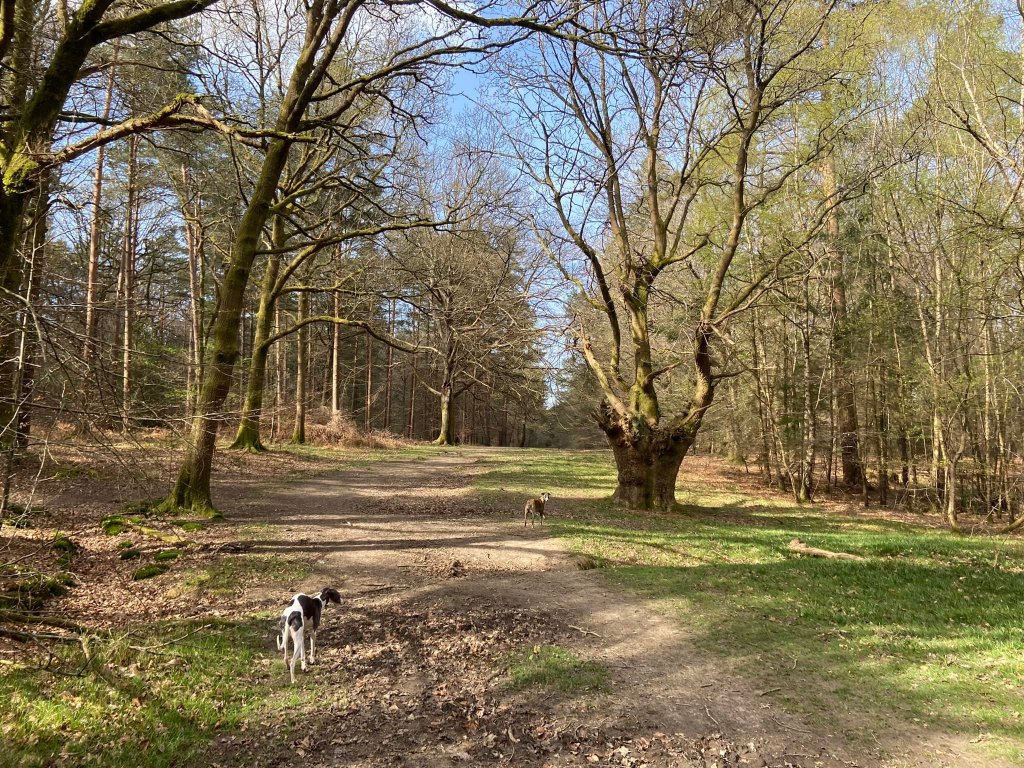
Shortly, when you come to the big clearing where this main path meets another wide path cutting across it perpendicularly, turn left and walk down here. Almost immediately, over to the right ahead, there is a triangular structure of three wooden fences by a small tree. Head down the dip and over a little muddy stream (easiest to cross over to the far right of the path), then up the other side of the dip. Pass another triangular wooden fence structure and go down another dip, over a stream (that may just appear to be a bit of a muddy patch) then up the next slope.

At the big clearing, turn left. Walk on this wide grassy path between the two plantations – the Paddockhurst Estate sign indicates that the trees on the left are Japanese Larch and Poplar and it is mixed broadleaf woodland on the right.
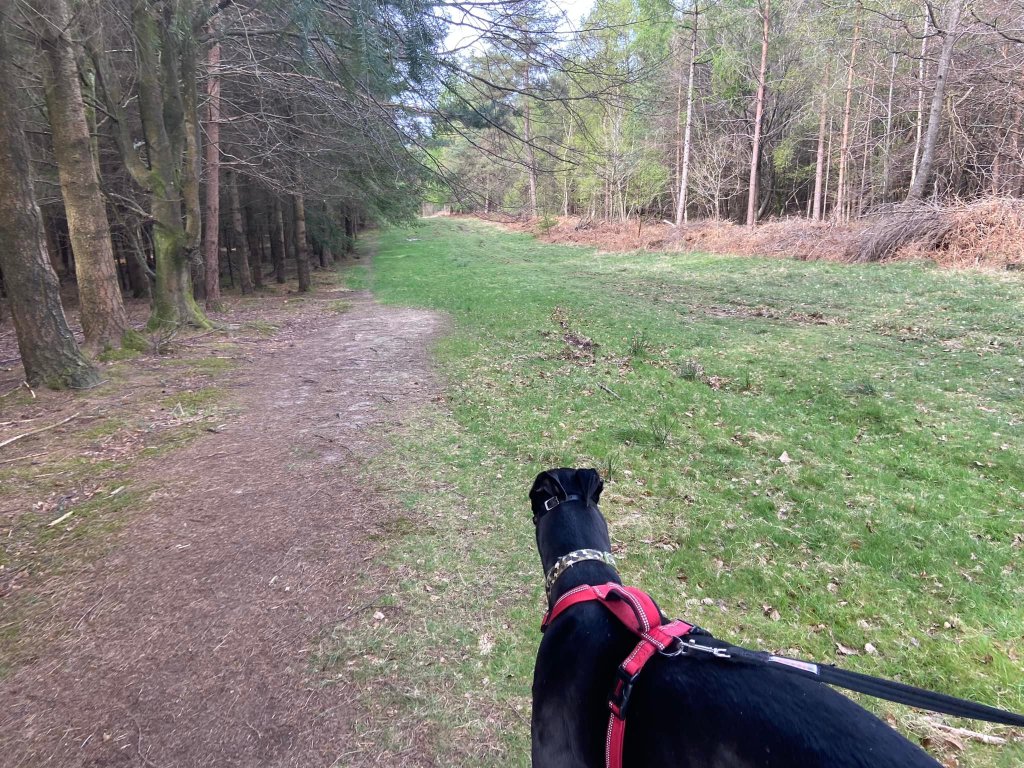
At the next big clearing, turn right. Follow this wide grassy path straight – and then go with its curve round to the left. Go down the dip and over the little stream then continue straight. When it ends at the main path, turn left.
You’ll come to a wide cross paths (if you look down the path to the right, quite far down it you should be able to see a *long fallen tree trunk* along the edge of the tree line), continue straight ahead and then follow the way round to the right and down a dip. There are then a couple of big fallen evergreen trees (Scots Pine, I think) that are right across the path. Walkers have gone around them enough that there’s an obvious path trodden through so follow in their footsteps to pass them.
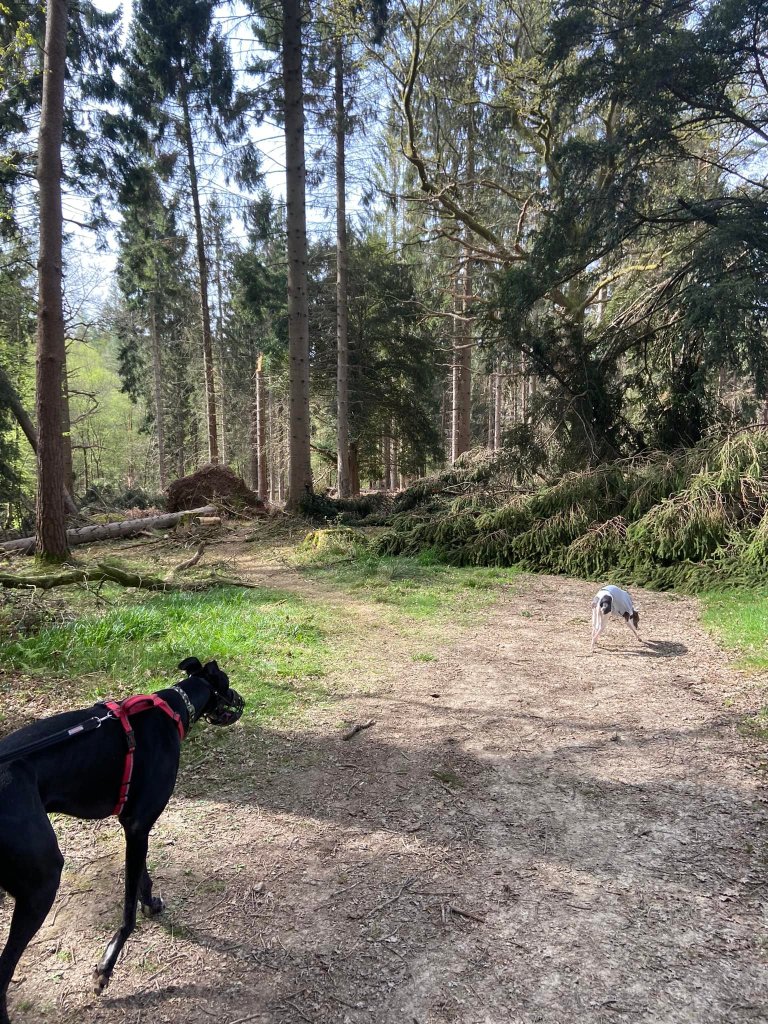
After the fallen trees, take note of the trees on the left as you walk along – they change from widely-spaced conifers with tall trunks to smaller multi-trunk coppiced trees (possibly sweet chestnut, hornbeam or hazel??). The change is quite abrupt and there is a path running between the two distinct types of tree. Turn left onto this path between the two areas.
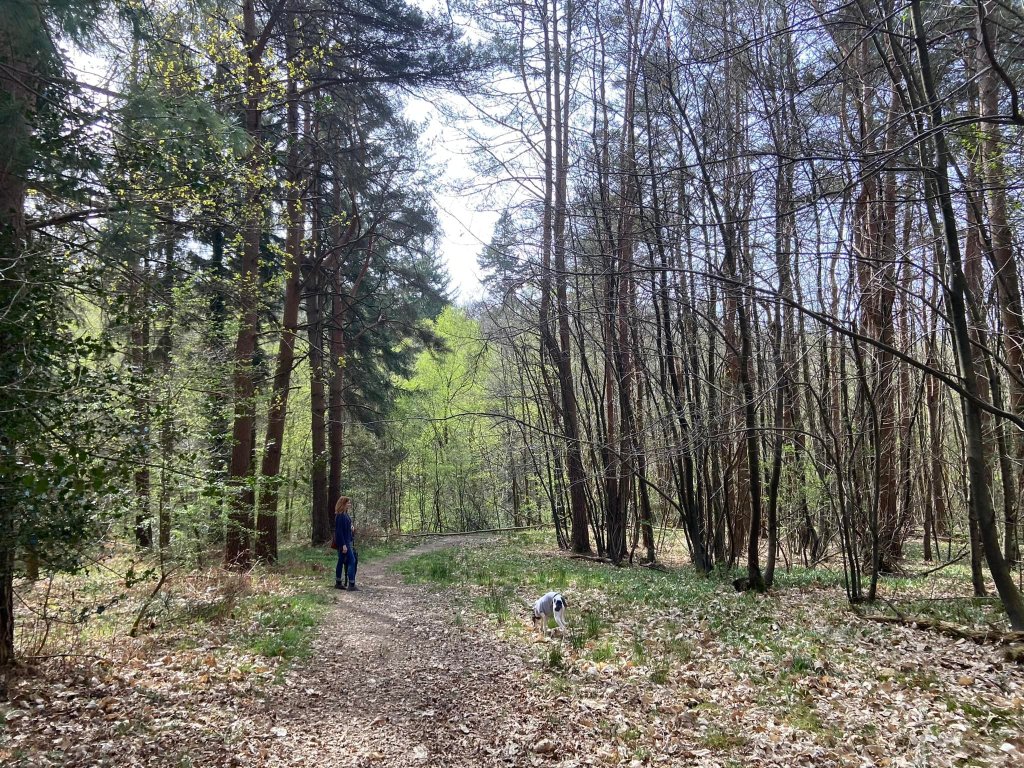
At the fork, take the right path and go over the small fallen tree, then continue down the slope. You’ll come to a path running across your way. Turn right. Walk along the contour of the slope, ignoring a little path that goes down the steep slope to the left. Your path will pass into the curtain of the coniferous trees on the right. Keep an eye out for a thin post/stick poking up from the ground on the right of this path, then turn left at the next little path, going over a couple of fallen trees and down the slope.
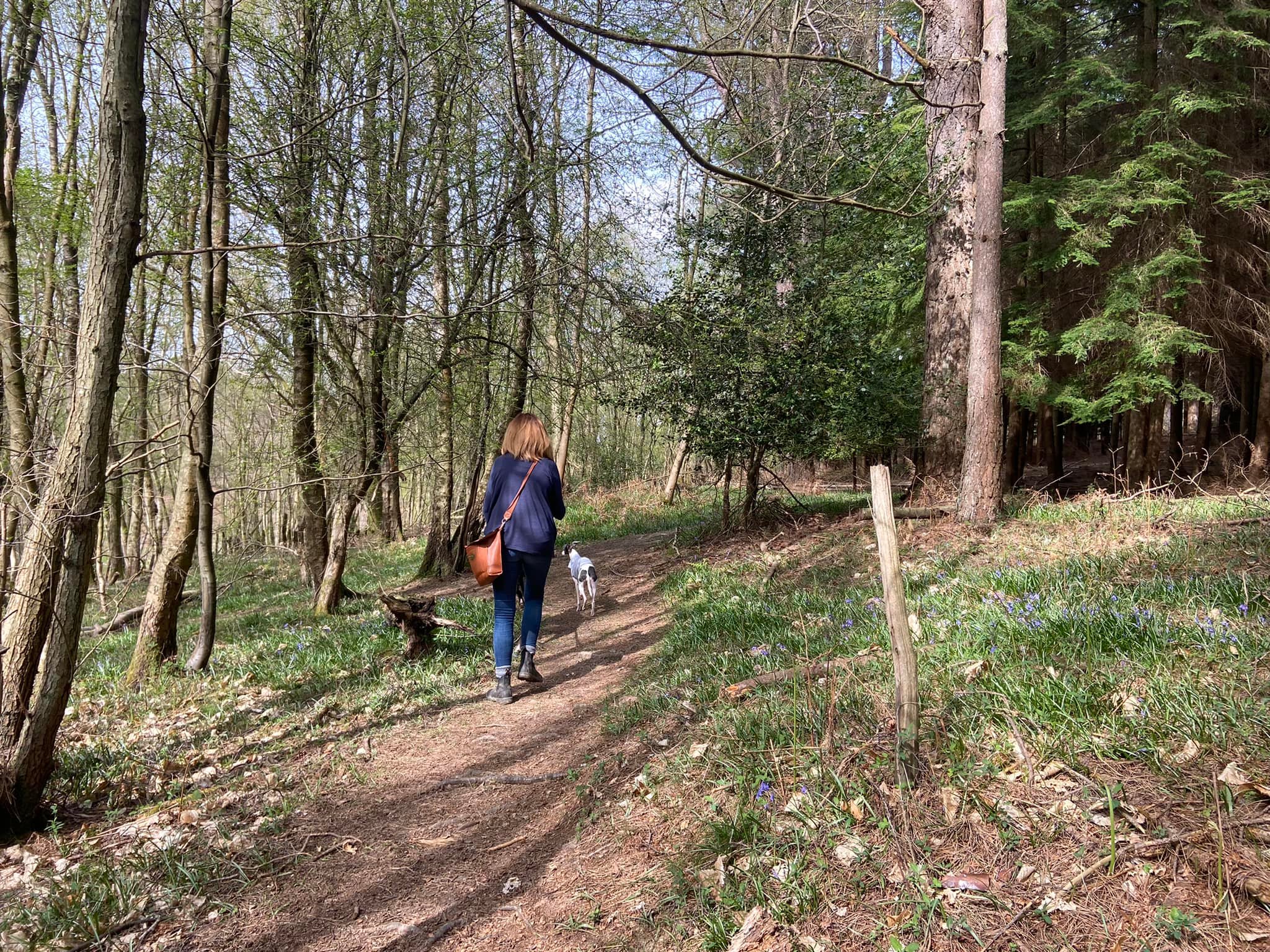
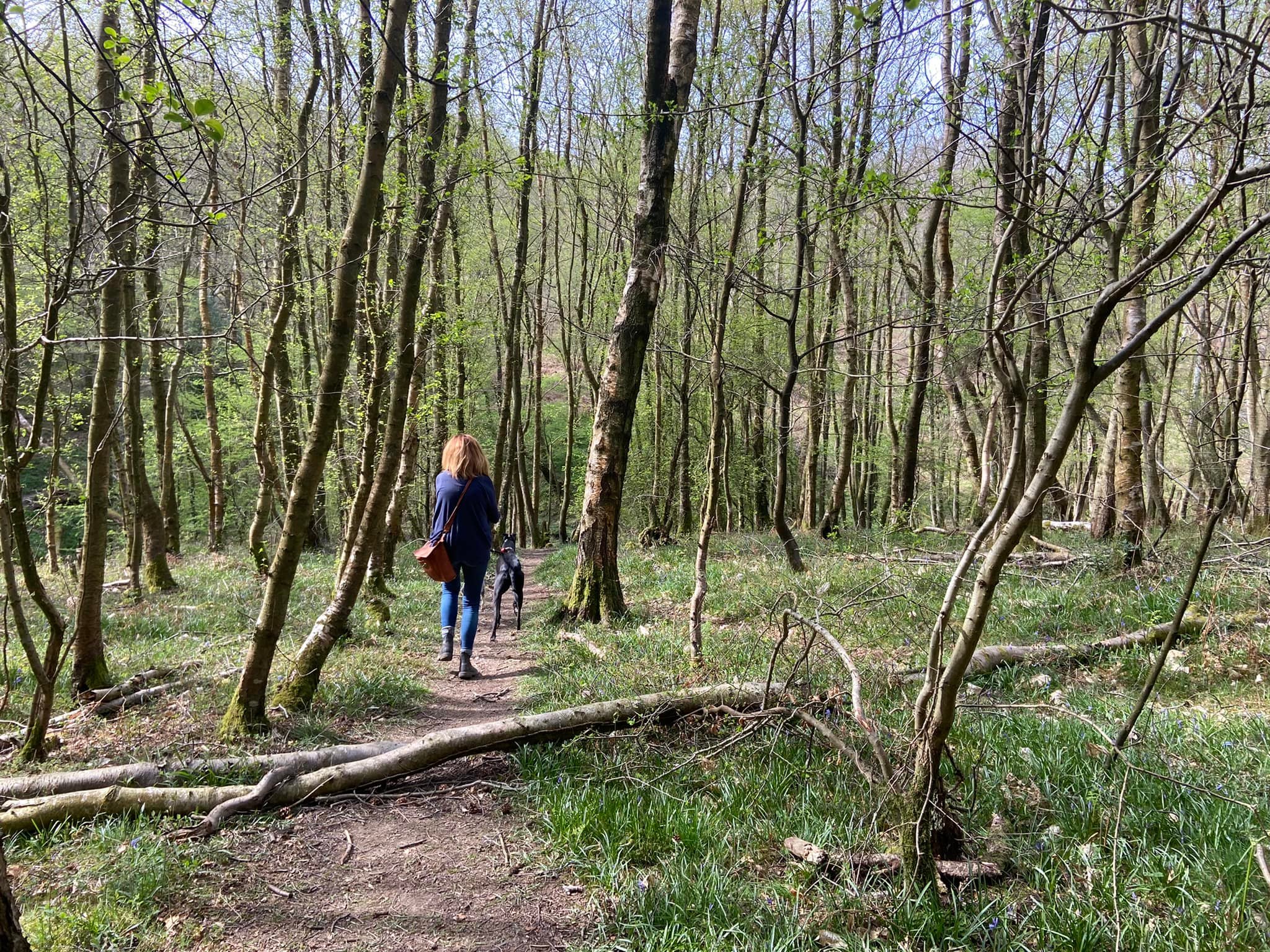
You’ll reach the stream, where you turn right. Walk along the stream, ignoring the plank of wood that goes over it. A word of caution – the whole section of this walk along the side of the stream can be quite uneven underfoot with lots of ups and downs, tree roots and higgledy-piggledy bits so take care and mind your footing.
As you walk along the stream, after quite some way, a path goes off up to the right. Ignore it and just keep to the left path that follows the meander of the water. A bit further on, you will need to cross the stream. It’s not a wide channel and you may be able to do it in one step from one bank to the other, or you may need to step into the water, but it isn’t deep.
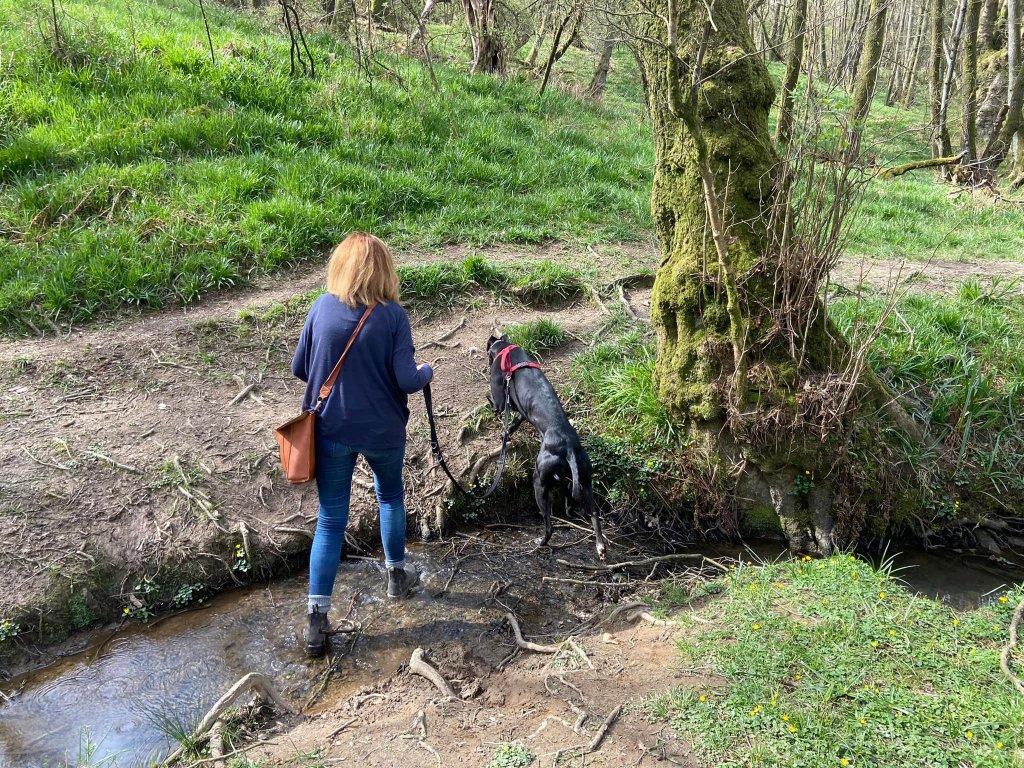
Then just a little way further on, you will need to go back across the stream again! Just after this second crossing of the water, there’s another path up to the right away from the stream. Ignore it, and continue straight along the edge of the stream, all the way to the wooden bridge. Don’t go over the bridge but walk past it and bear slightly to the right to pass a small marker post to then cross a second bridge.
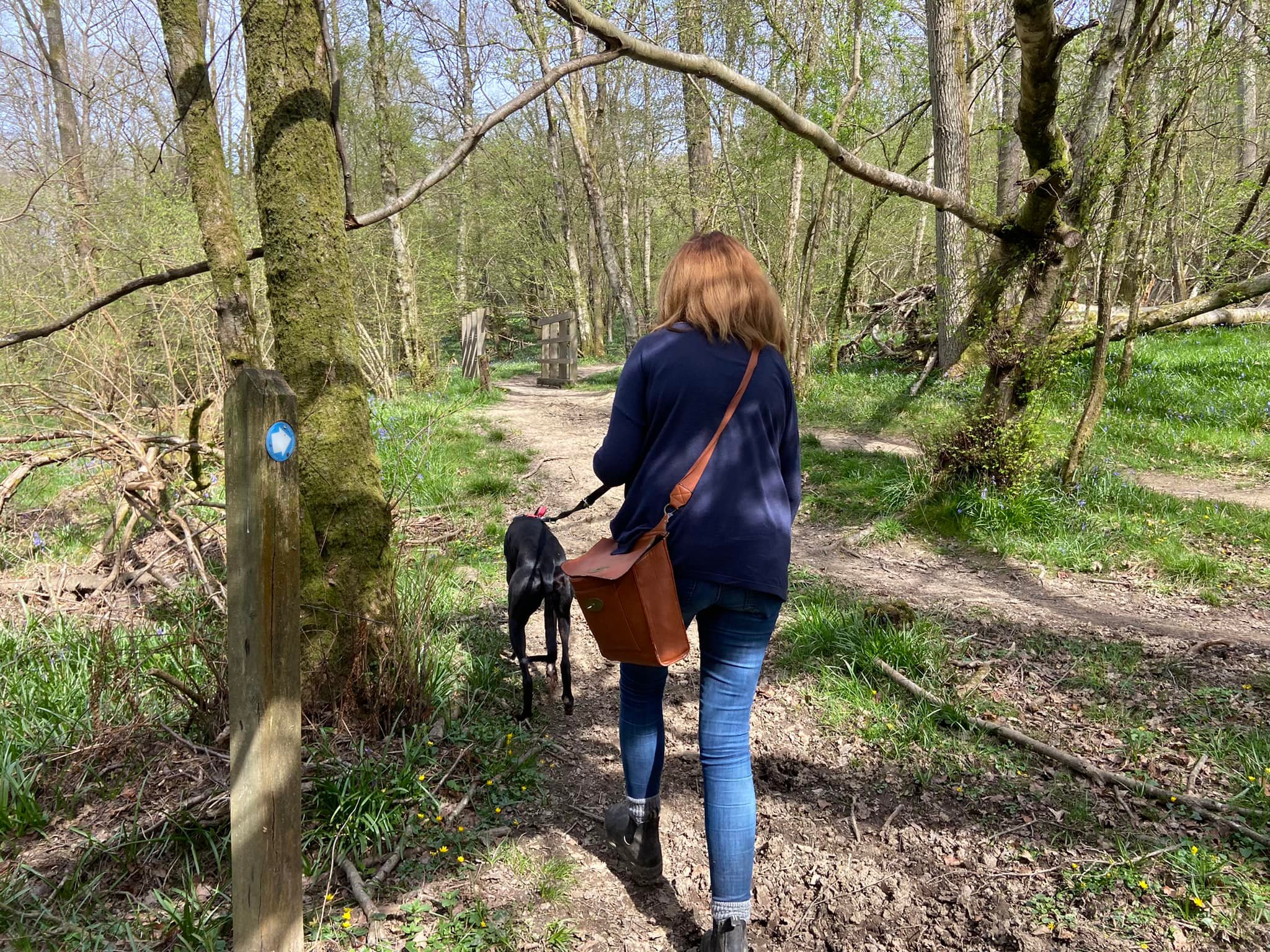
The path rises up hill and you’ll see a gate ahead. Turn right on the little path to the right just before the gate. (Do not go through the gate onto the bridleway!) Follow the little path as it winds along, largely parallel with the wooden fence, which is on your left.
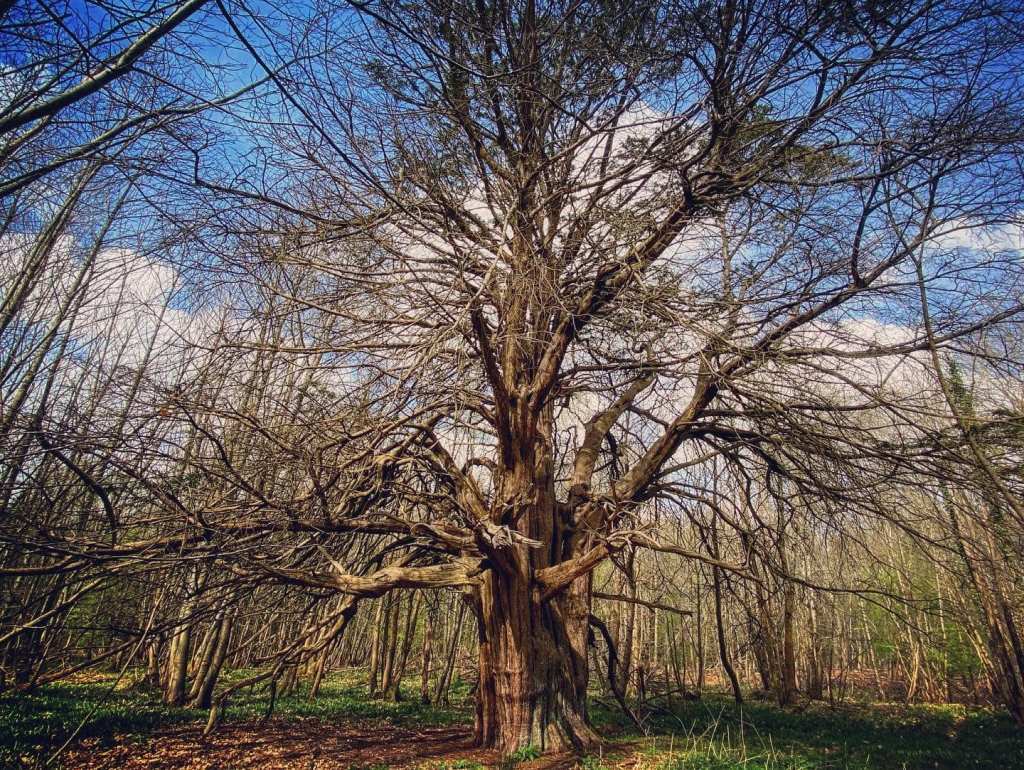
Pass a heavy duty tall fence post and look to your left. The big Yew Tree you can see surrounded by coppiced sweet chestnut trees is classified as a “veteran”, which means it is over 500 years old and could be up to 1,200 years old. This one is believed to be over 1,000 years old!
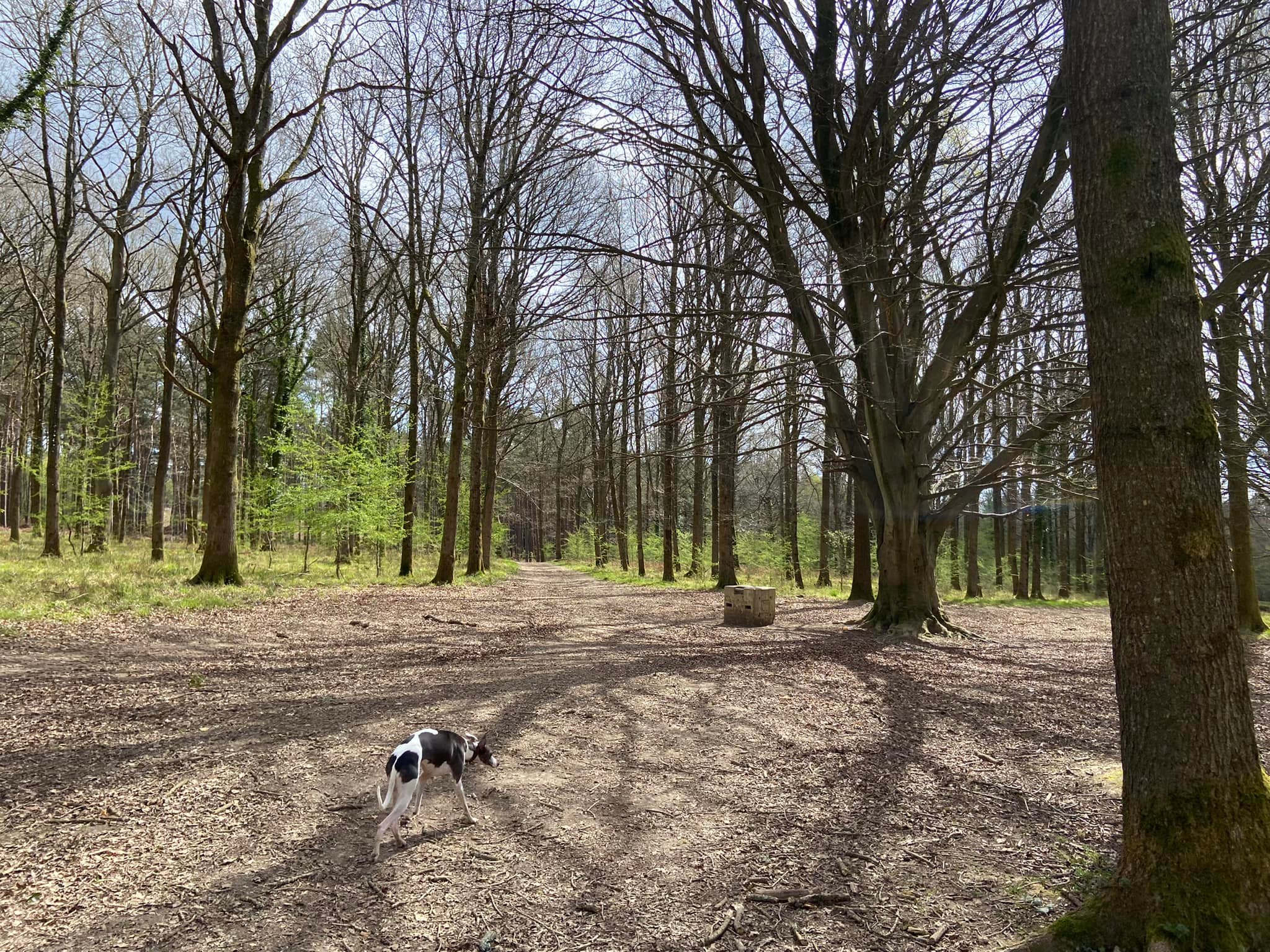
Continue straight ahead at the big clearing of cross paths where there is a 1000kg concrete block by a tree. At the next junction of paths, where you have three paths ahead to choose from, take the middle option, which is pretty much straight ahead, passing through tall coniferous trees and curving round to the right.
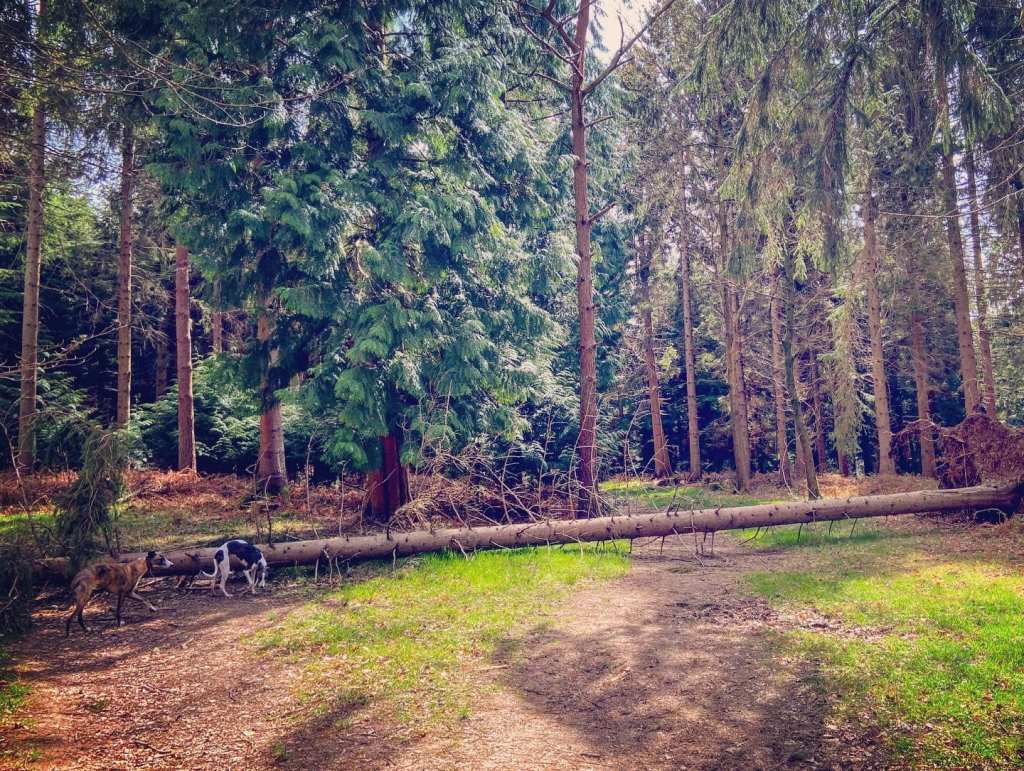
You’ll come to a fork where there is a long fallen tree across both paths ahead. Take the left path and step over the tree trunk to go up the slope with the evergreen coniferous trees on your right.

You’ll now be on a long straight section for a while – but it’s not boring as the trees and scenery change around you. You’ll go straight ahead over two big wide cross paths and then pass a long fallen tree that edges the path on the left. This is the long, fallen tree that I mentioned earlier in *asterisks*. At the cross paths after this fallen tree, turn left.
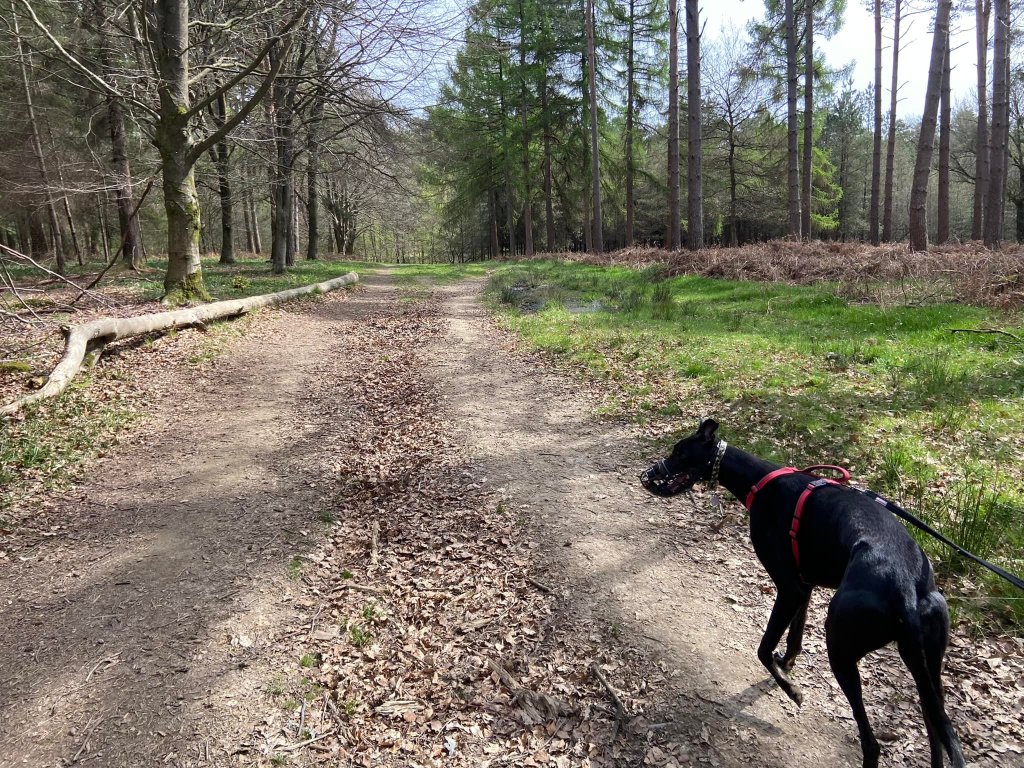
Follow this path for some way, passing through a gap in the dilapidated fence. Not long after this, the path will curve sharply to the right and then, as it curves back to the left again, take a grassy path off to the right on this left hand bend. It is often boggy/muddy and people have trampled a drier route through the bracken to the right, passing a tree stump. Take this bracken alternative and then join the main grassy path.

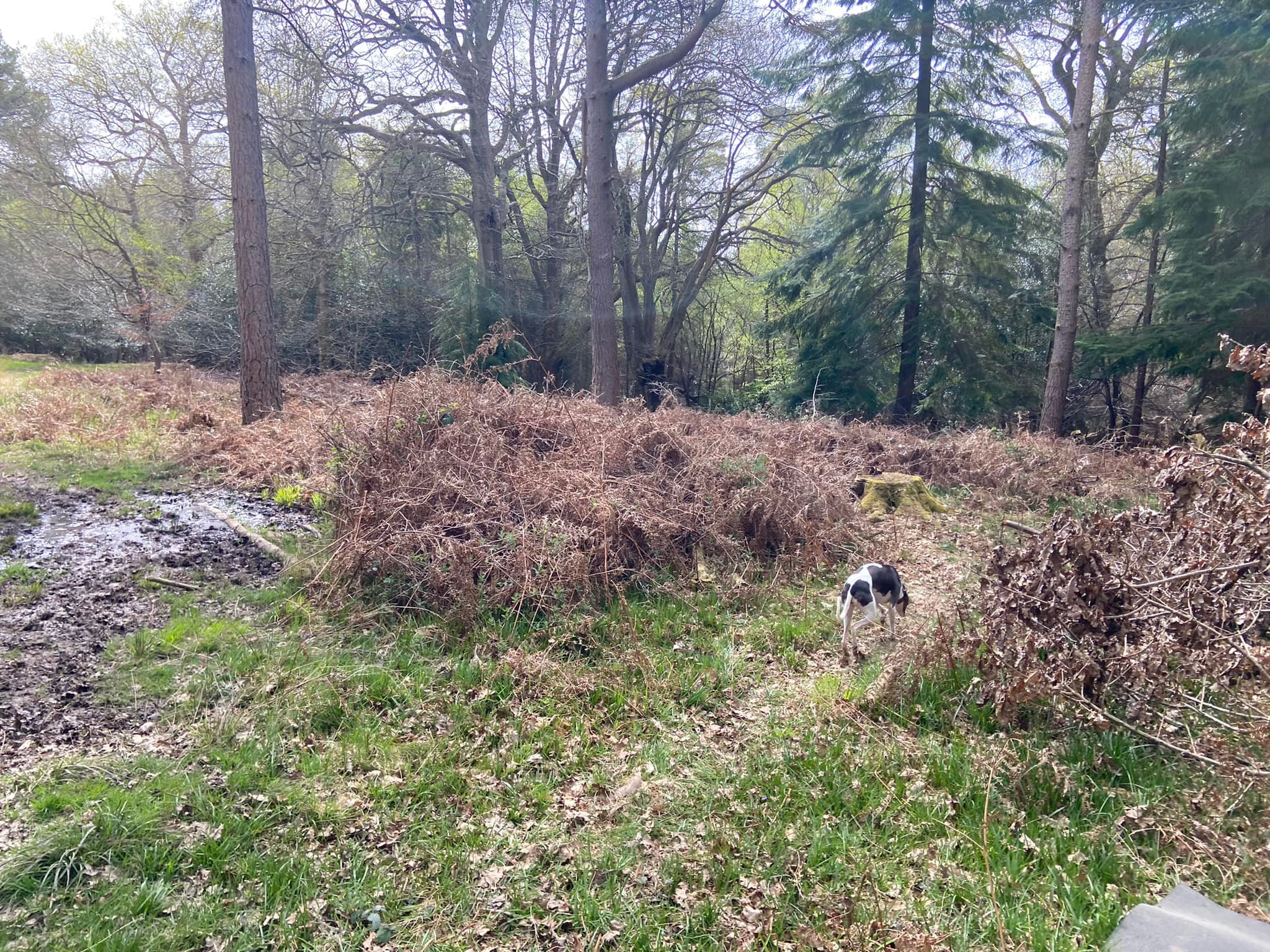
The way bends round to the right and passes between a couple more fence posts (but no fence at all now). The little path is narrow and winds between trees and stumps but the way is pretty obvious. This is Denches Copse.


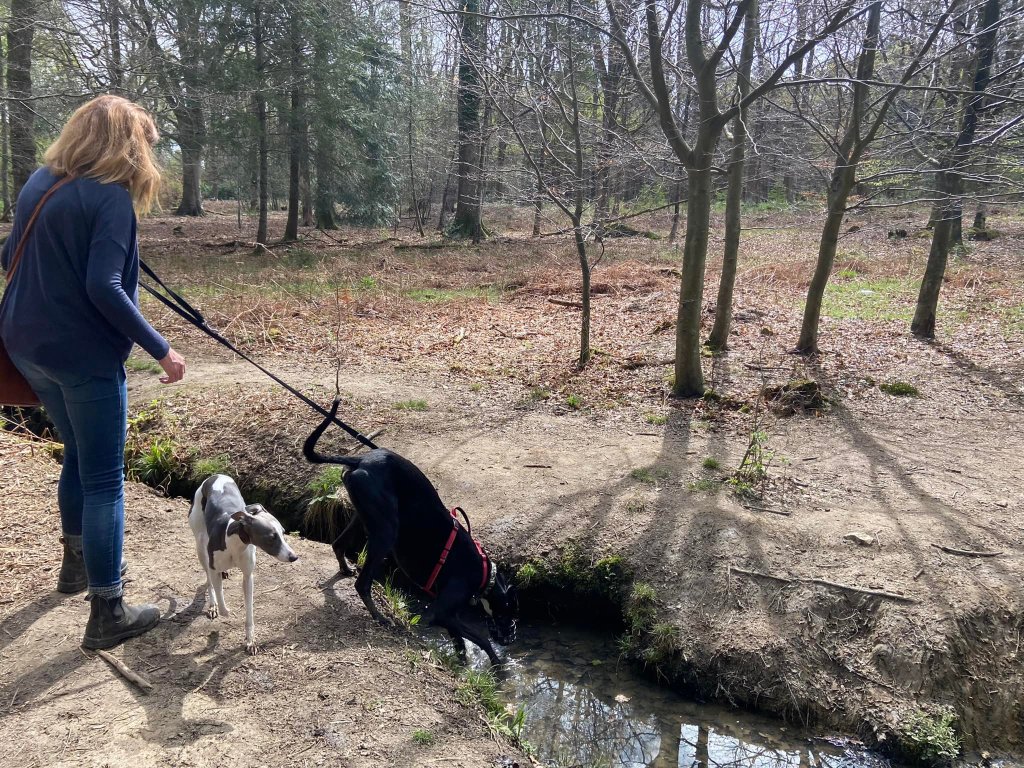
At the end, this little path arrives at a wide grassy pathway/gap between plantations – turn left (you actually walked along this earlier in the opposite direction). Walk to the clearing / cross paths and turn right. This is the path you came down at the start it the walk. Go down the dip, up the slope, pass the triangular wooden fence structure; down the next dip, over the stream (or in it, like Ollie in the photo below), up the slope, and pass the other triangular fence structure.
Turn right at the next clearing onto the wide path where ahead you can see the big ancient tree in the middle of the path. Head towards it but a little before you reach it, take the little path off to the left that you came down at the start of the walk…
and follow it back to the car park.

 Walks with Rena
Leave a comment