Page contents
About
Gallery
Instagram reel showing this place
Parking
Poo bins?
Self-guided walk
About
Nonsuch Park is a large open leisure space with an extensive network of surfaced and unsurfaced paths. It is home to a variety of different species of flowers, birds and insects. Situated in its centre is the grade II-listed Nonsuch Mansion, which was built in the mid-eighteenth century and extended by Jeffry Wyattville at the beginning of the nineteenth in Tudor Gothic style. Today it is managed by English Heritage and its ground floor rooms have been refurbished and can be hired for weddings and private parties.
Nonsuch Park is steeped in history. Apparently, when surrounding roads were constructed in 1939, evidence was found of a possible Iron Age settlement towards its southern side, including Iron Age pottery, burnt flints and a spindlewhorl. I know that sounds like something Ariel of Disney’s The Little Mermaid might own, but it’s actually a disc that could be fitted to a spindle to make it spin faster and more smoothly.
The park was also the site of Nonsuch Palace, which no longer exists but was apparently the “first great Renaissance building in England”. Designed to be a celebration of the power and the grandeur of the Tudor dynasty, it was built to rival Francis I’s Château de Chambord and cost the equivalent of over £10 million in today’s money. Sounds impressive, doesn’t it?

Well, I don’t know what Nonsuch Palace ever did to anyone but, despite its apparent splendour, it doesn’t appear to have been a hugely loved place. I suspect that may be because this was (according to Wikipedia) an “unwise location for a palace as there was no nearby supply of water suitable for domestic use.”
Whatever the reason, this is its story…
In 1538, King Henry VIII acquired a small settlement called Cuddington village. As history repeatedly showed, Henry wasn’t exactly a reasonable man and he did whatever the hell he pleased throughout his reign without giving a monkeys about the impact his actions had on anybody else. Nonsuch Park was born from his whimsy when he decided that he wanted to build a palace right here to celebrate the his baby son, Prince Edward, who had been born the previous year.
The existing village and residents were a mere inconvenience and he had everything, including a church, razed to the ground, and the foundations of his new palace laid. I mean, he compensated the people who lived here, but he probably ripped them off, such was his MO. That was great and everything, but Henry then went and died in 1547. Arguably, his death was a good thing for the country that he had terrorised for the 36 years he held the throne, but Nonsuch Palace wasn’t finished so I imagine that it was a sort of insult to injury for the people who had lost their homes when Cuddington was demolished.
Anyway, this was the start of Nonsuch being passed about a bit. First, it was inherited by Henry’s nine-year old son and successor, King Edward VI. Ed died at the age of 15, and Lady Jane Grey was queen for a few days before the 12th Earl of Arundel, Henry Fitzalan, organised an uprising in support of Edward’s half-sister, Princess Mary. Jane was imprisoned in the Tower of London and Mary took the throne, lopping off Jane’s head a few months later.
Well, Queen Mary I didn’t care for Nonsuch and sold it to Fitzalan in 1556. He completed its construction and it seems the place was a happy estate for a couple of decades but he died in 1580 and left it to his son-in-law, Lord John Lumley. Lumley sold it back to the crown – by this point Elizabeth I – to pay off a load of debts. It appears that Elizabeth didn’t visit much although she did sign the Treaty of Nonsuch here in 1585 (yeah, I’d never heard of it either) and visited again in July 1617 along with Viscount Lisle, the Countess of Bedford, and the Earls of Southampton and Montgomery, whoever they were (Wikipedia links included if you want to find out).
Queen Elizabeth I died in 1603 and was succeeded by James I, who promptly handed Nonsuch over to his queen, Anne of Denmark. I don’t know what she did with it, but 22 years later, Charles I succeeded the throne and he in turn gave the palace to his queen, Henrietta Maria.
It passed to Charles II and in 1660, he made Lord Berkeley the Keeper of Nonsuch and, that same year, Samuel Pepys visited and found the place in a “state of decline”. No surprise really as it seems that nobody wanted to keep it for themselves so I can’t imagine anyone invested much in its upkeep over those years.
Nonsuch Palace suddenly became worth a visit in 1665… but only because the Great Plague broke out and the Exchequer (the folks concerned with royal revenue, taxes and similar finance-related whatnot) was transferred there in quarantine. The same happened the following year after the Great Fire of London. So, it seems people only used the palace when they really had to. I almost feel sorry for it by this point, if it is possible to feel sorry for a building.
Interest in the place didn’t last long and Charles II gave Nonsuch to his mistress, Lady Castlemaine, Barbara Villiers, in 1670. Finally, in 1682, she had the place torn down and sold its parkland to cover her gambling debts.
Nonsuch Park and Mansion have been jointly managed by Epsom and Sutton Councils since 1937 when the land was purchased to save it from development as part of the establishment of the Metropolitan Green Belt. The title deeds are held in trust by Surrey County Council.
The Pantry Cafe adjoins the mansion house, providing refreshments and ice creams and there is a public toilet located next to the cafe.
The park is home to a Parkrun every Saturday morning, which starts at 9am on the main path from the mansion house down to The Avenue.
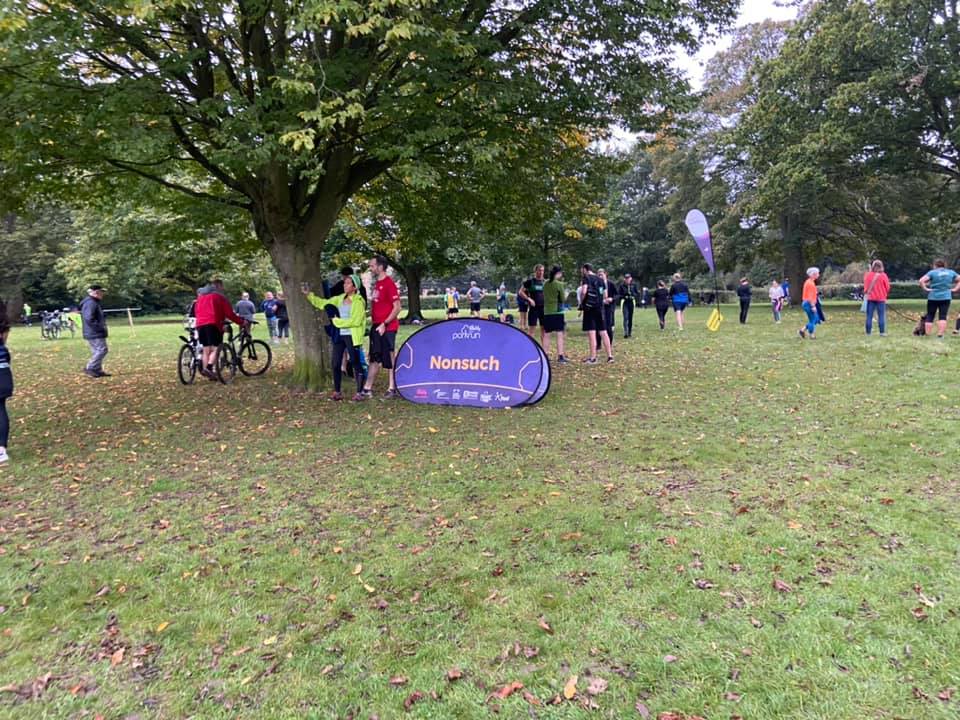

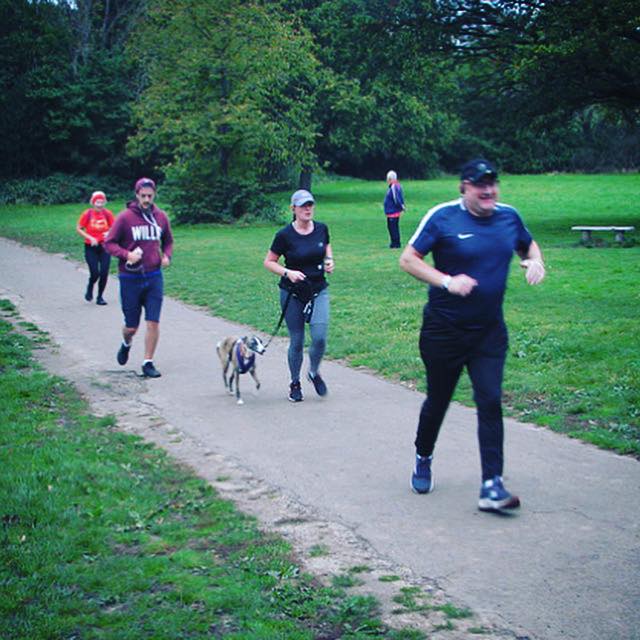
It’s a popular course because it’s mostly flat (the only flatter one that I have ever done is Bushy Park) so you may want to avoid the area between about 8.30am and 10am on Saturdays as the car parks are pretty busy, plus the walk below follows some of the same paths that the runners use. Or you may want to go along to see these lunatics running in two circles at 9am (I used to see a greyhound around the halfway point most weeks and it always cheered me up!) but not do the walk route below. It’s a lovely place to just wander around in.
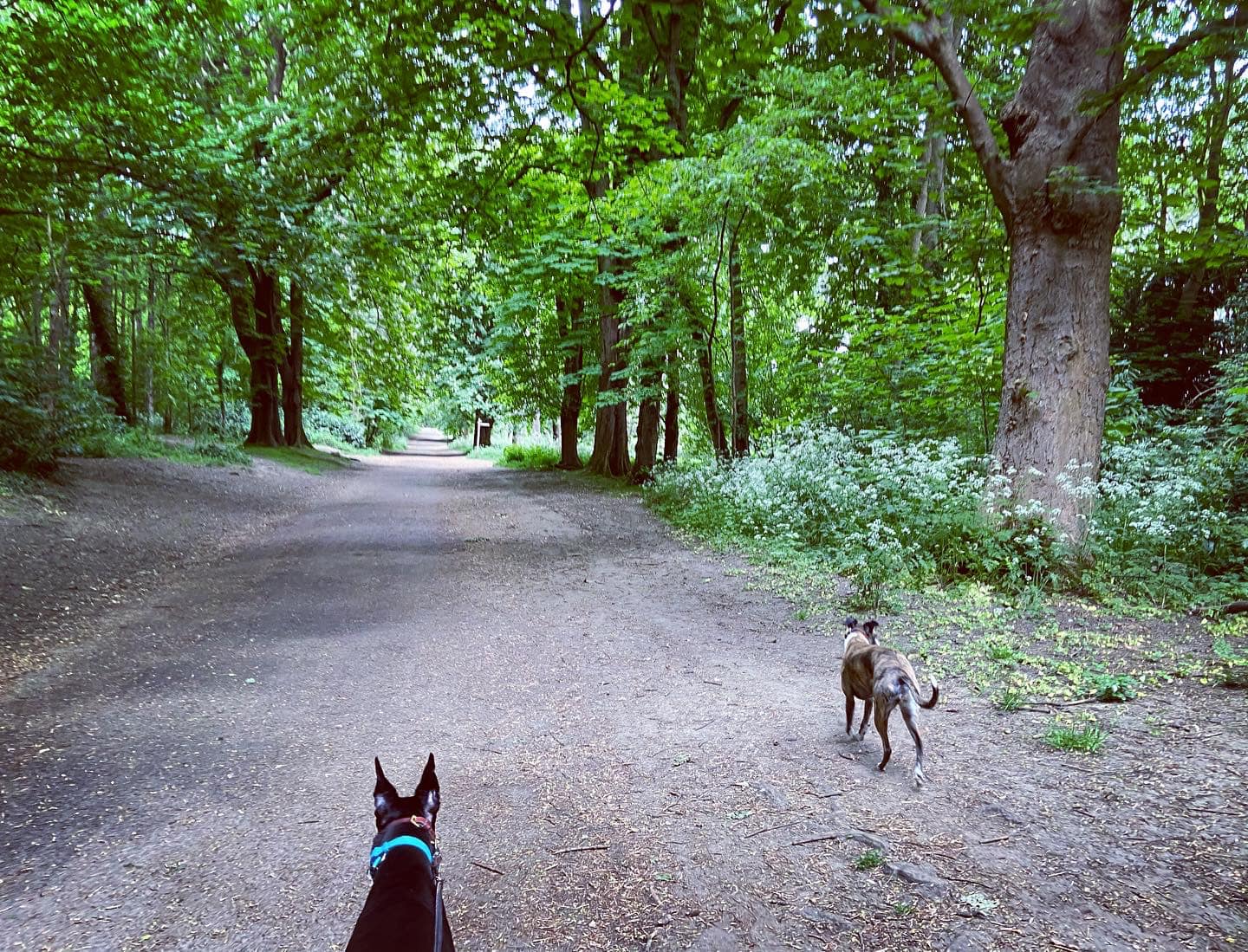
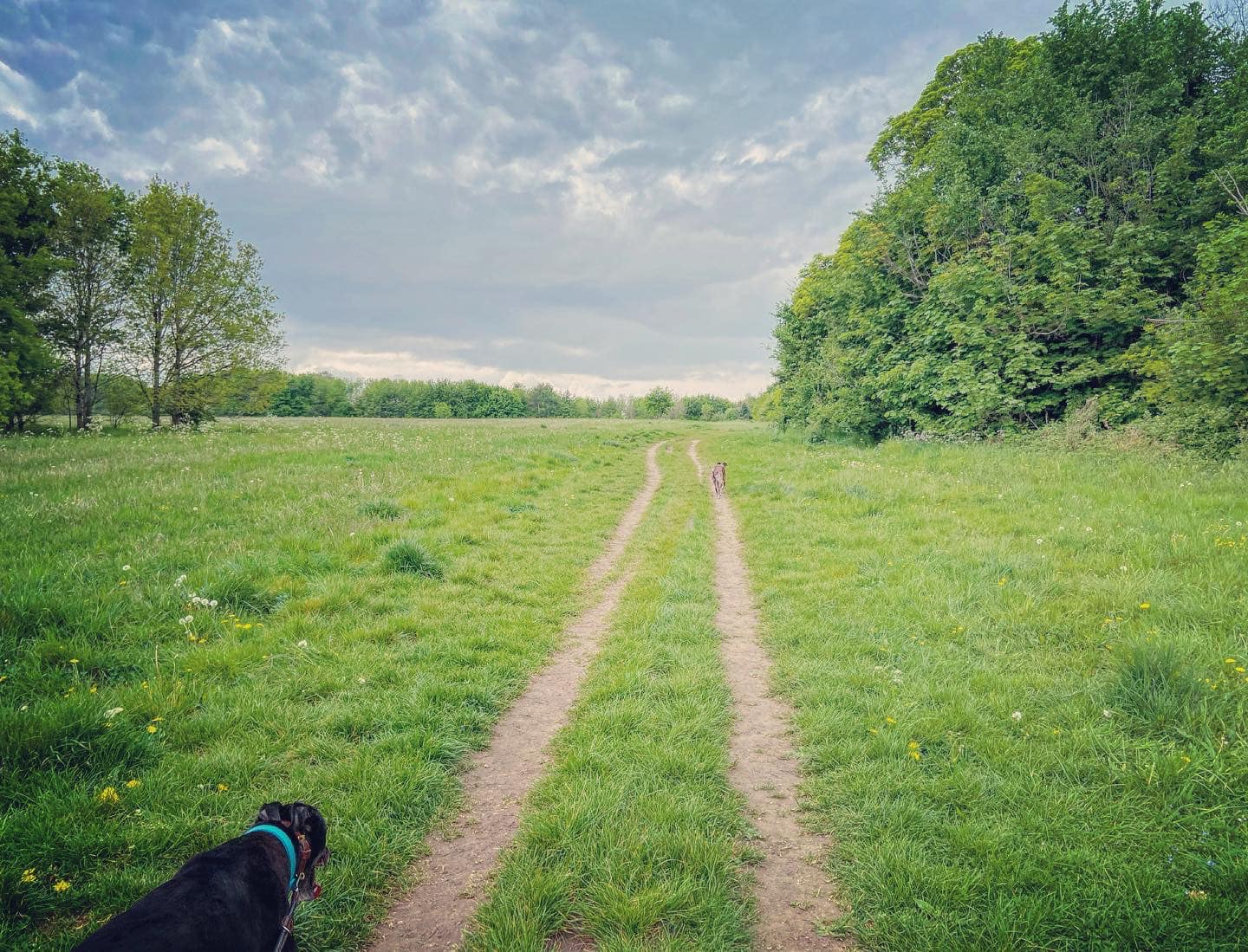
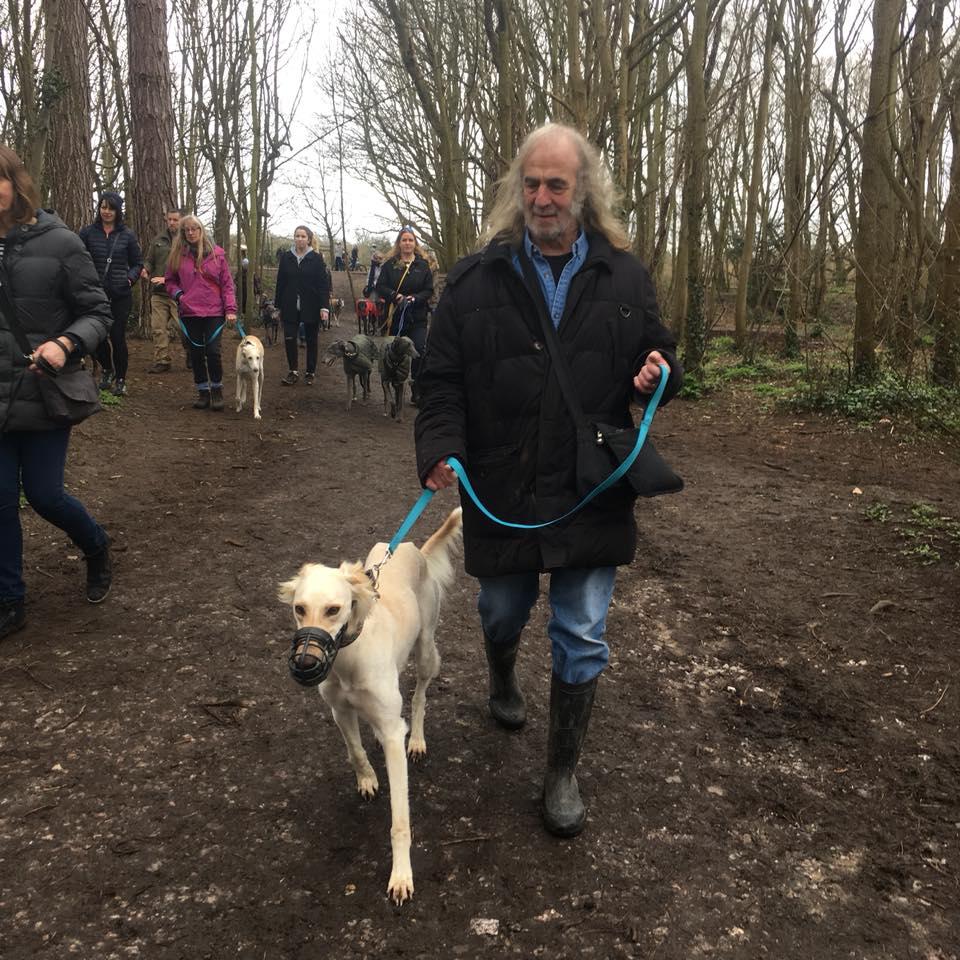
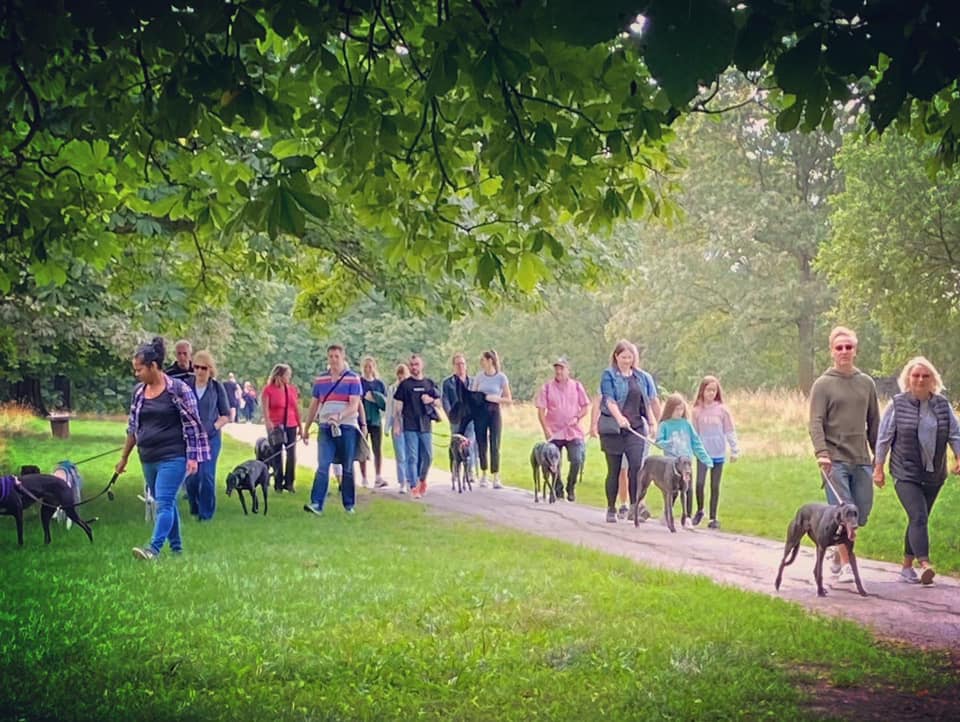
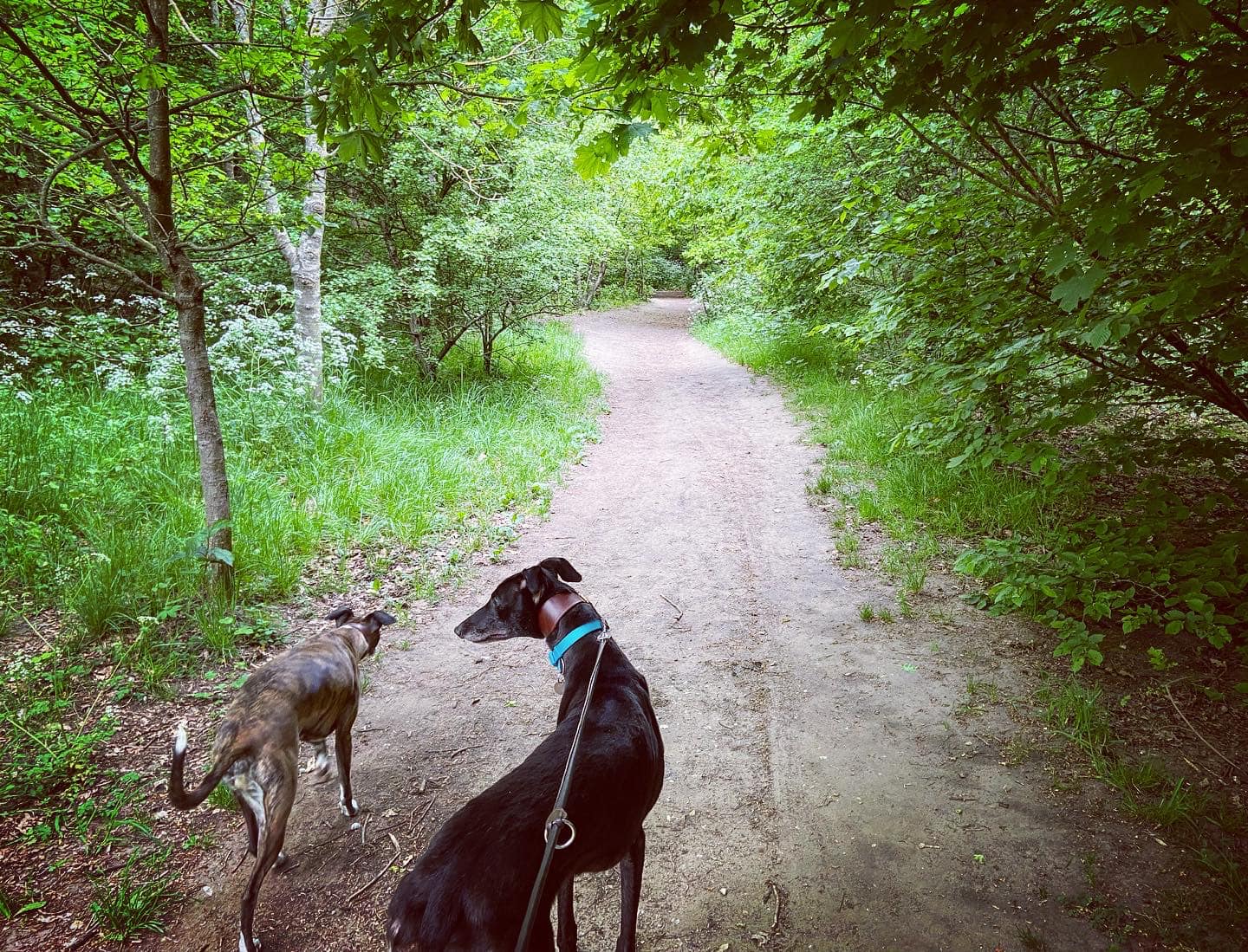
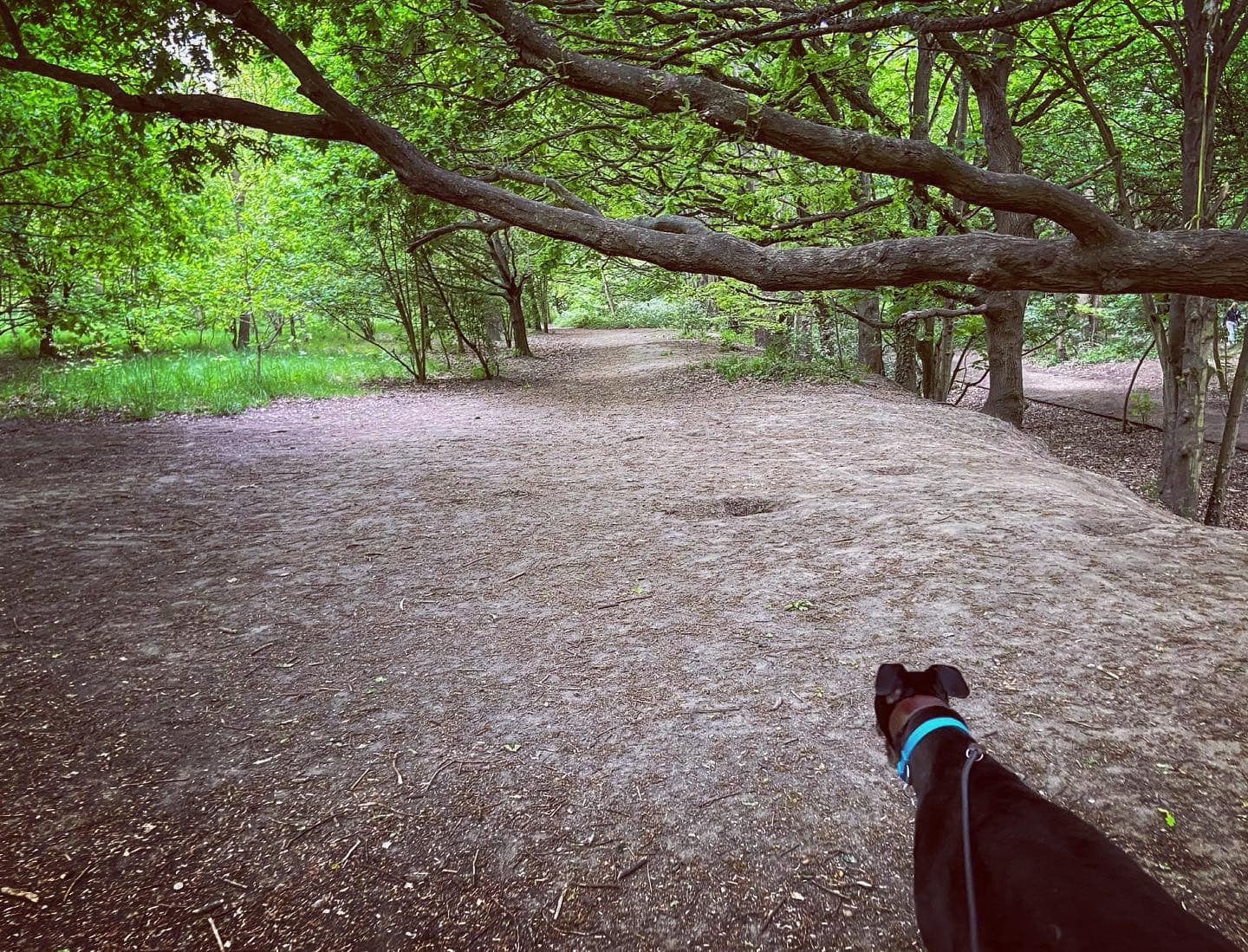
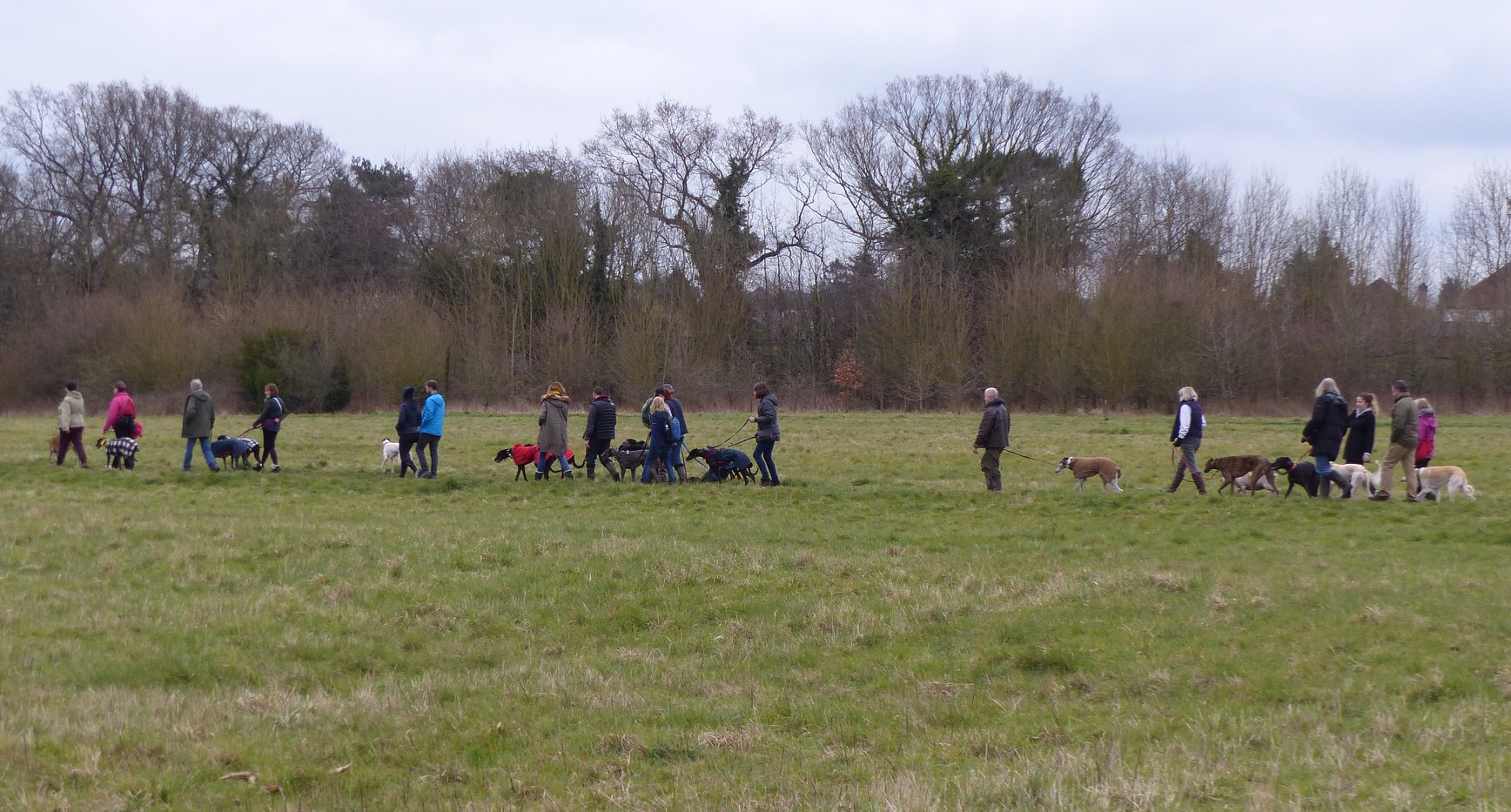
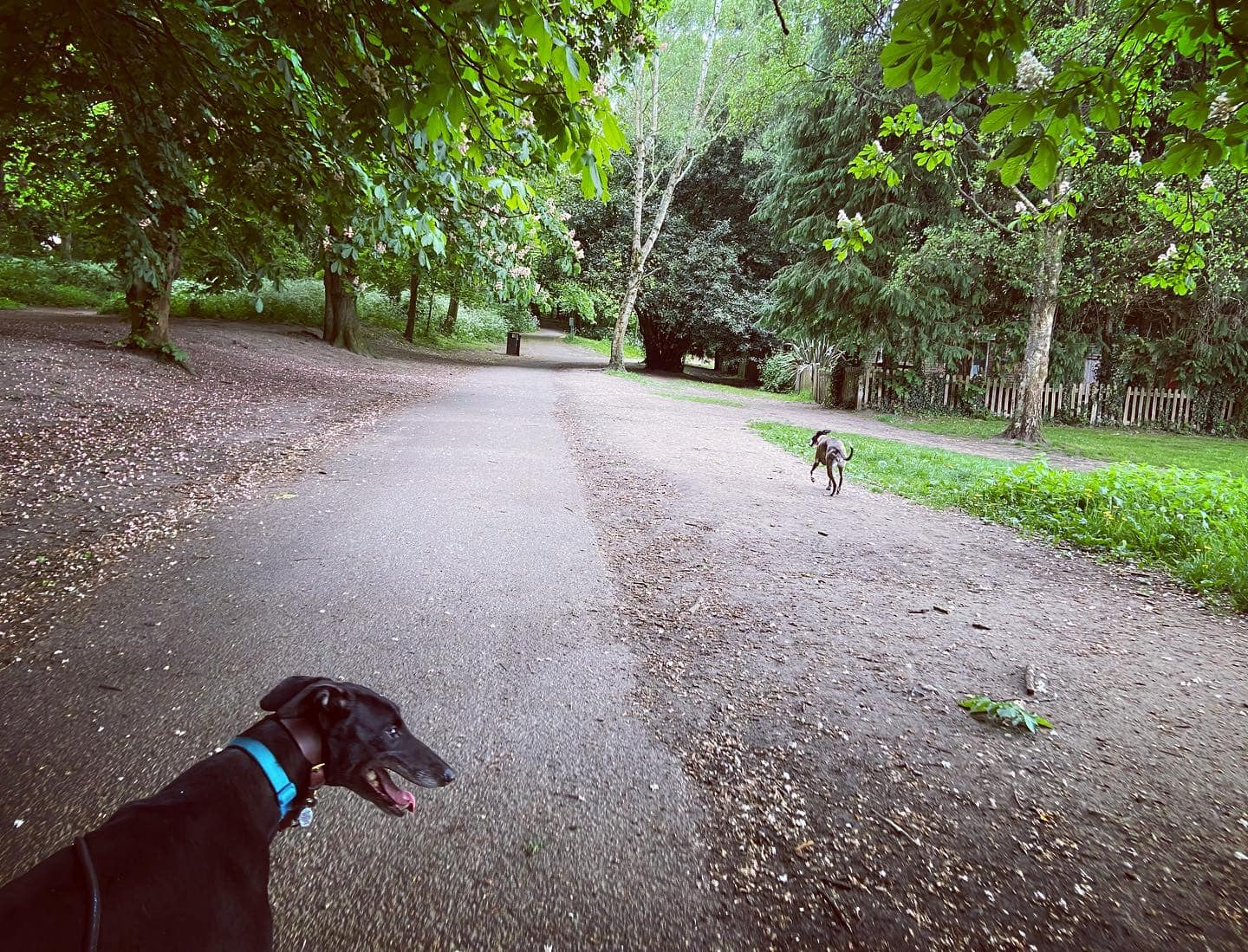
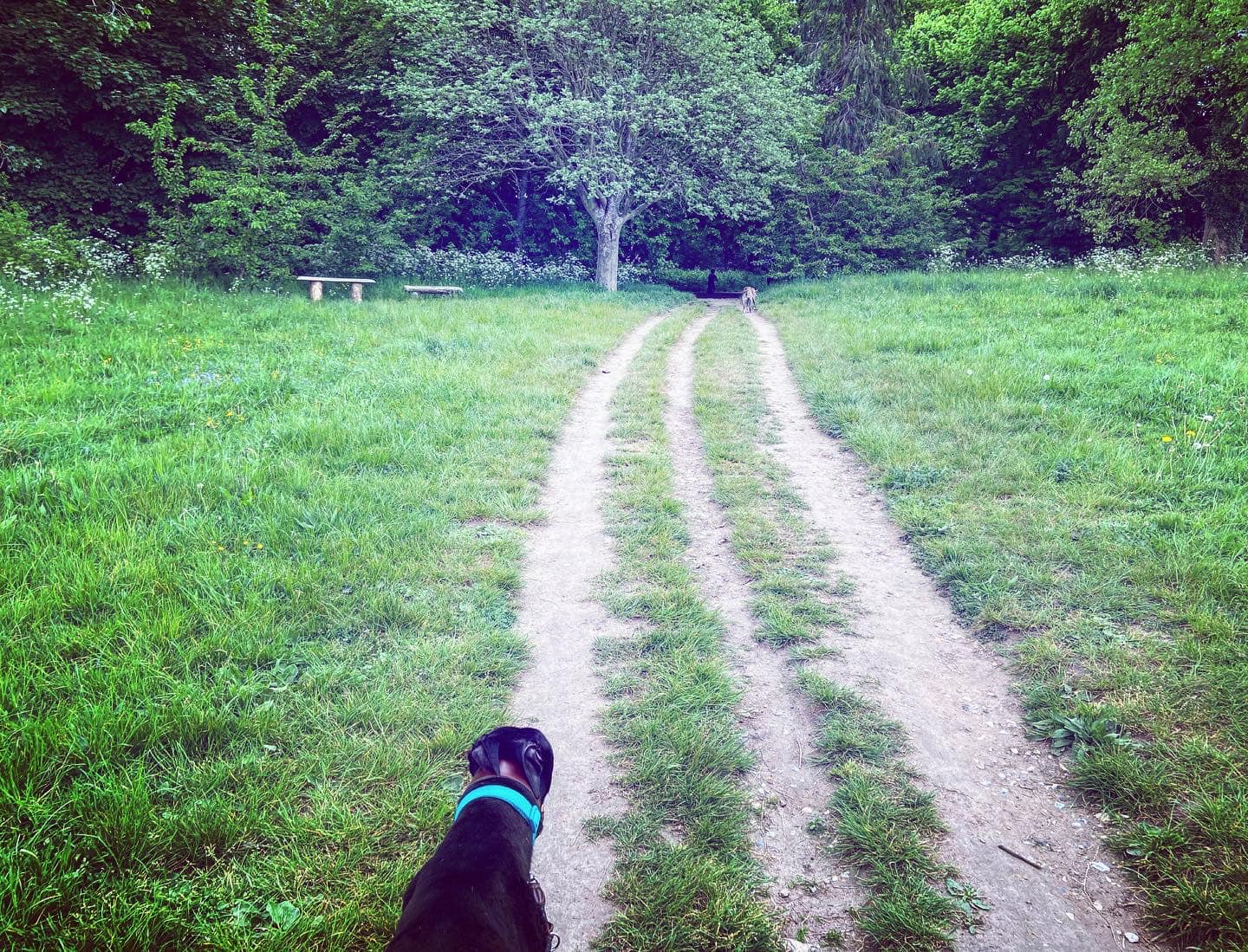
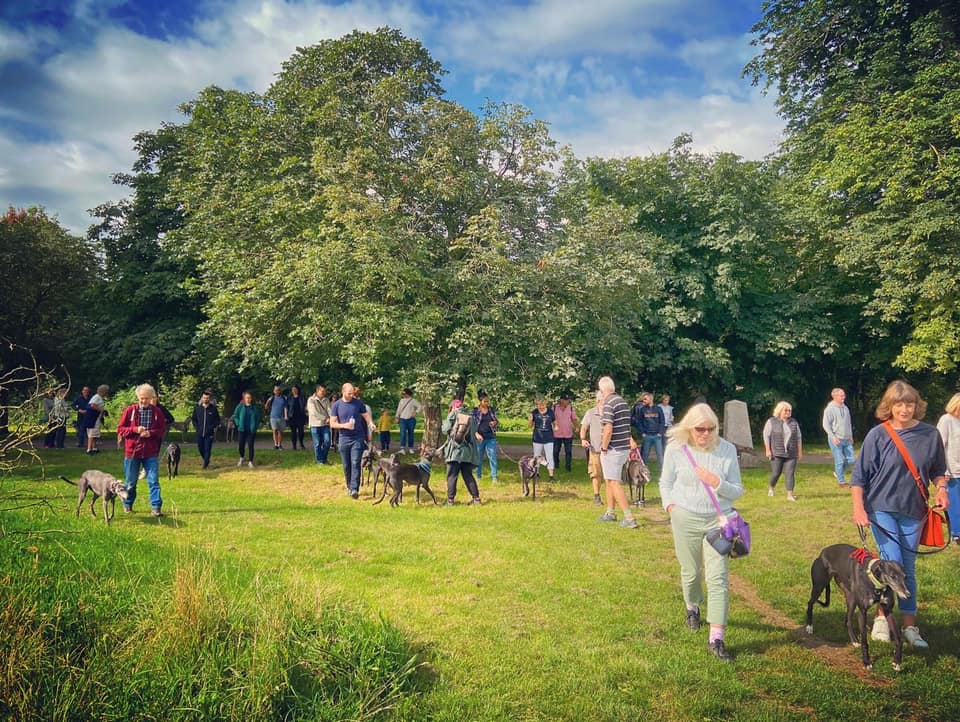
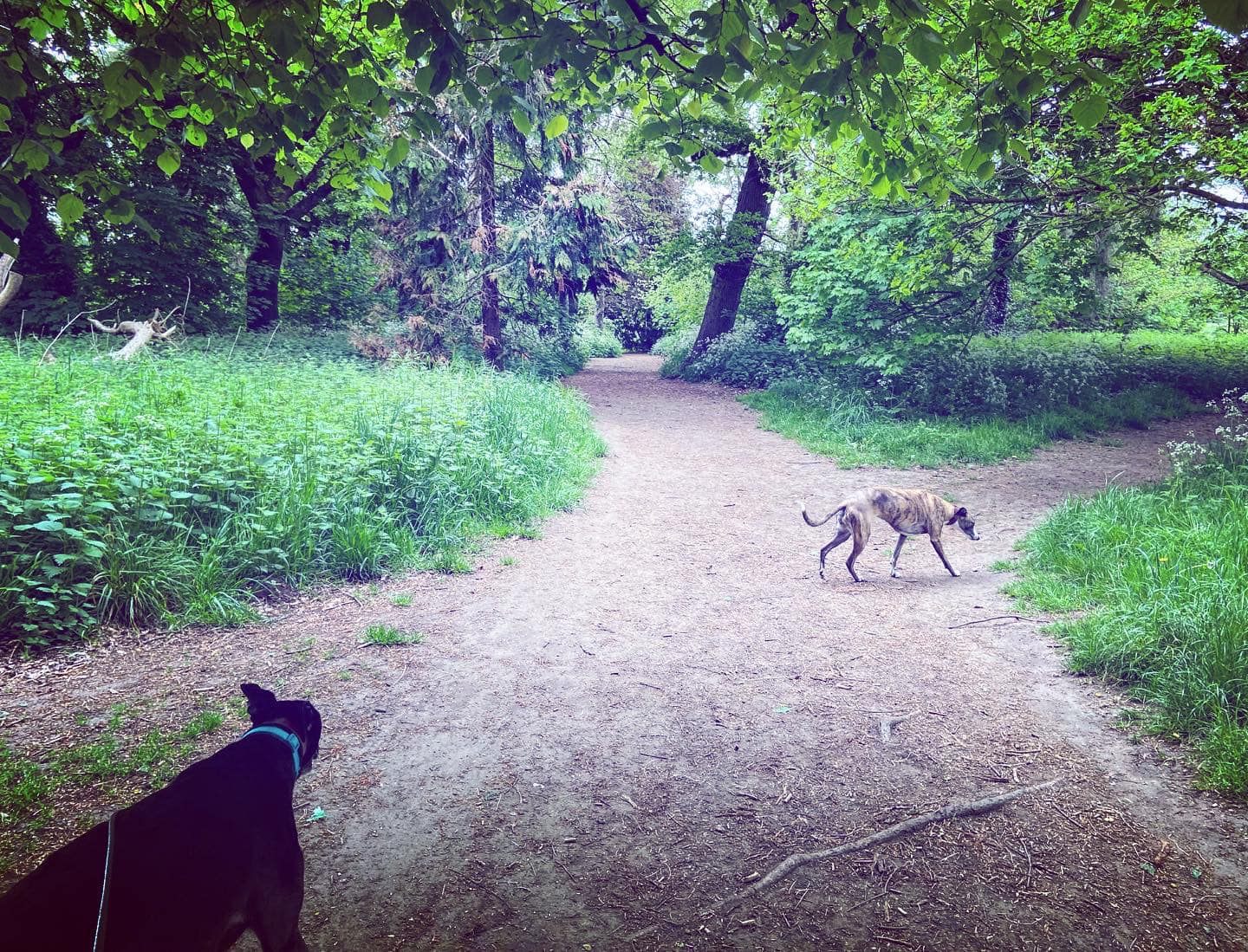
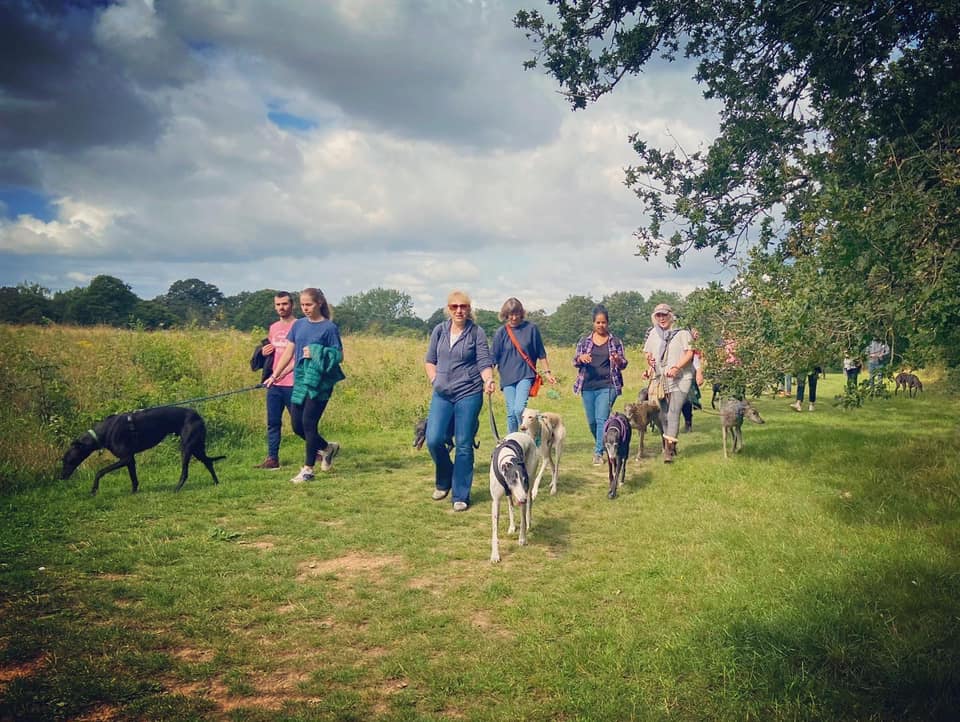
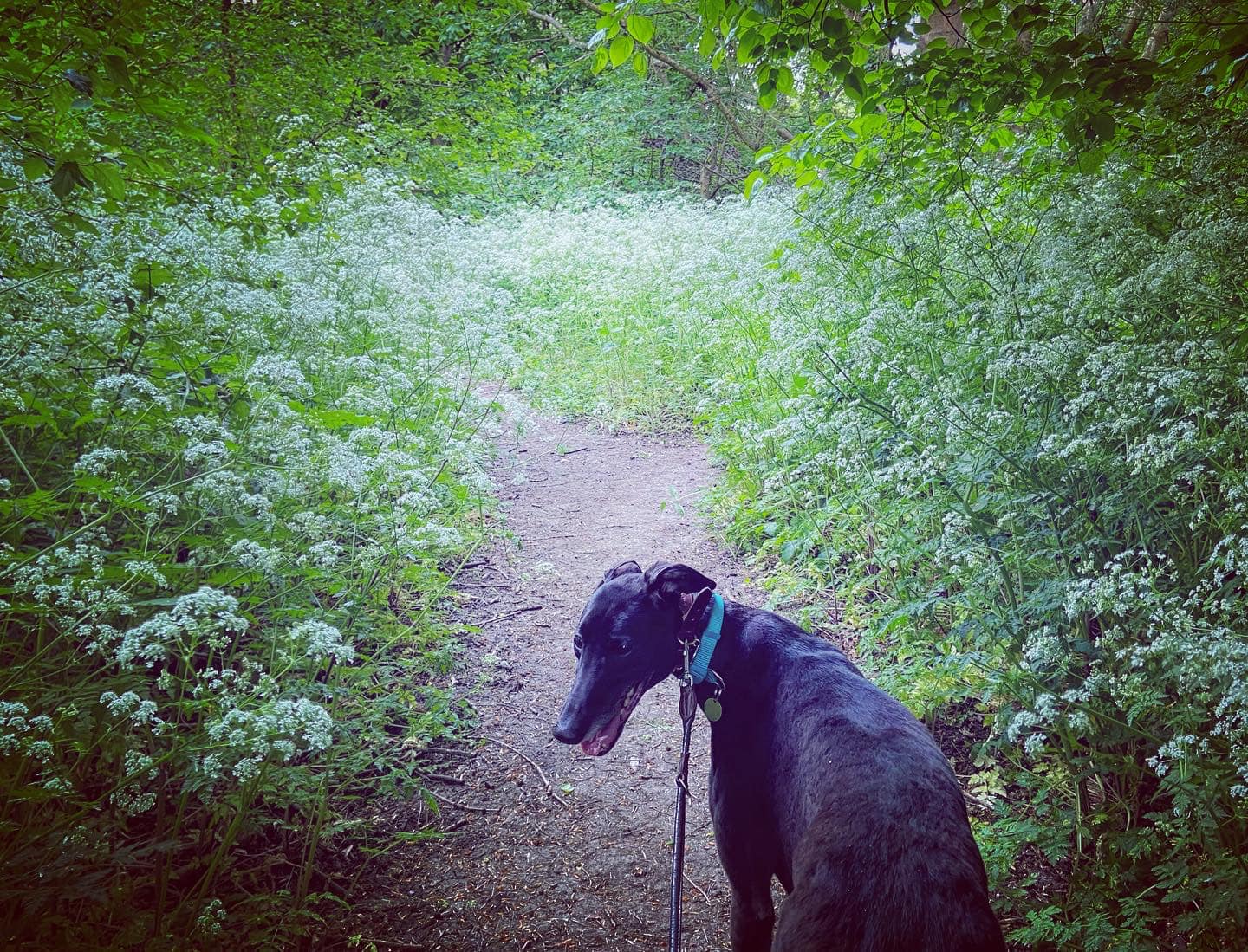
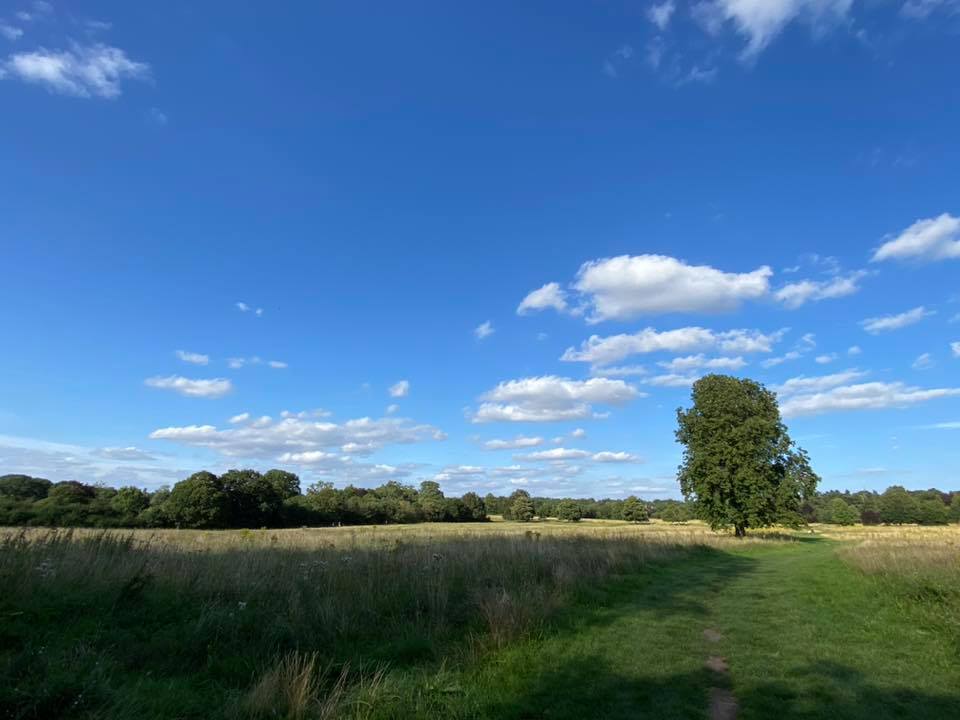
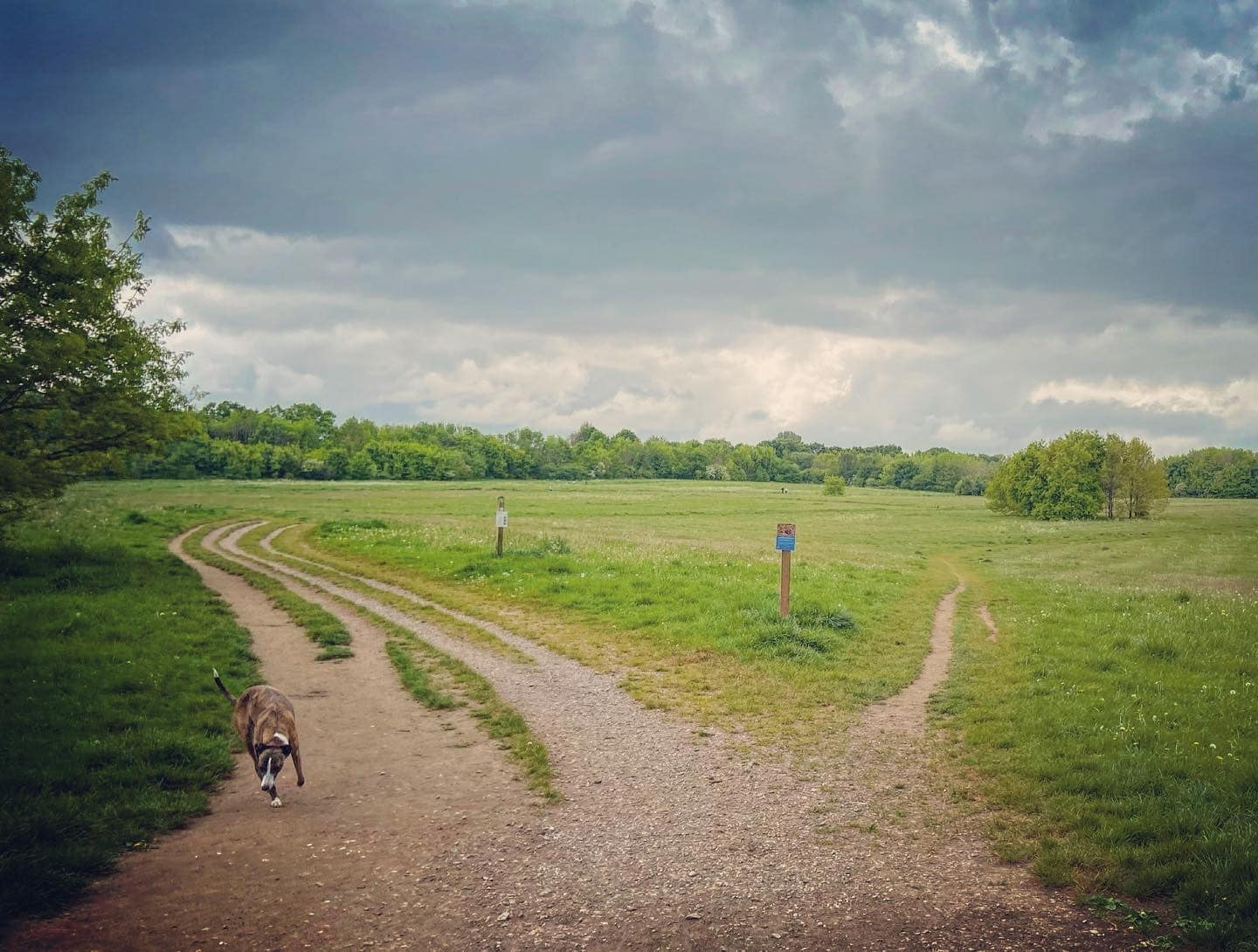
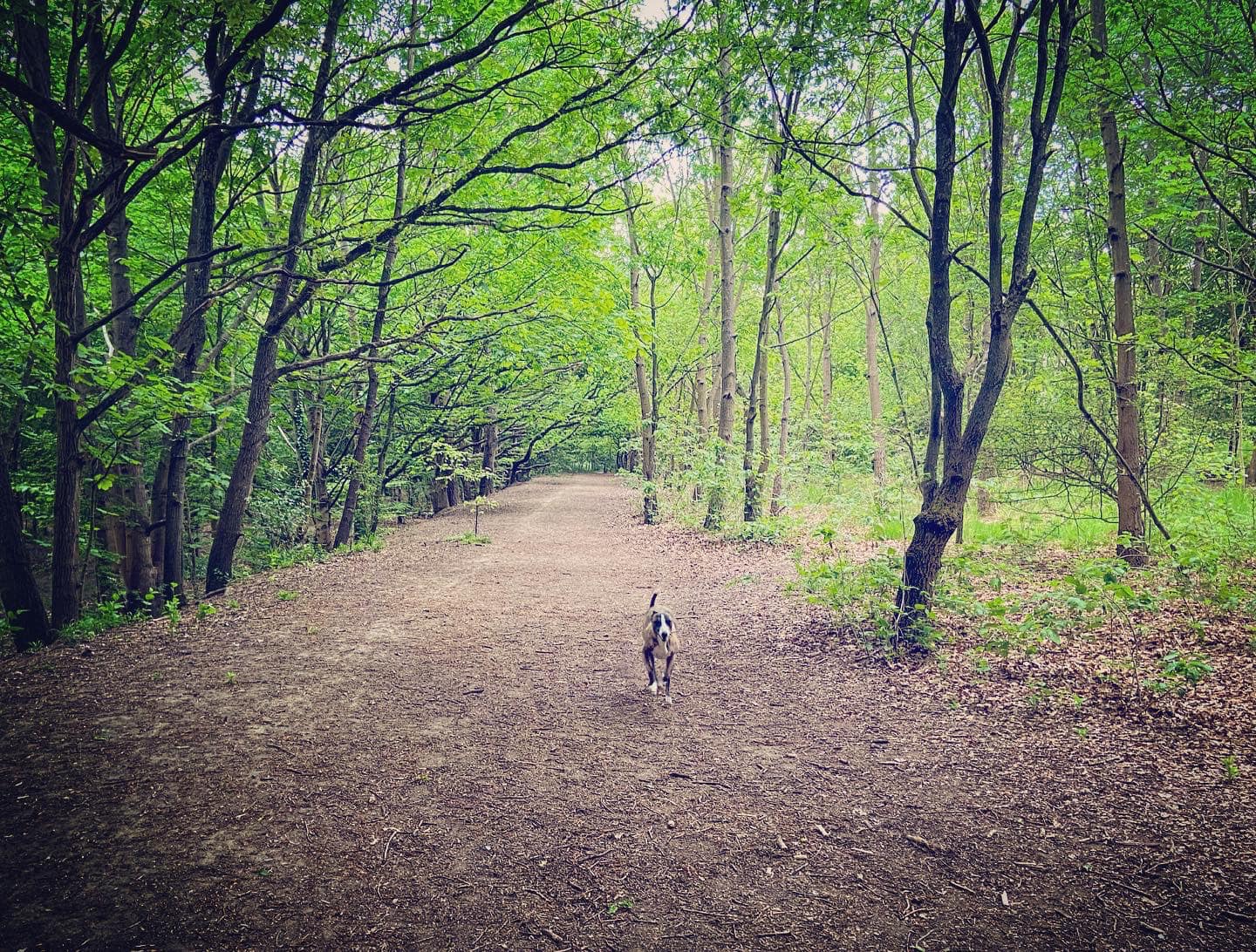
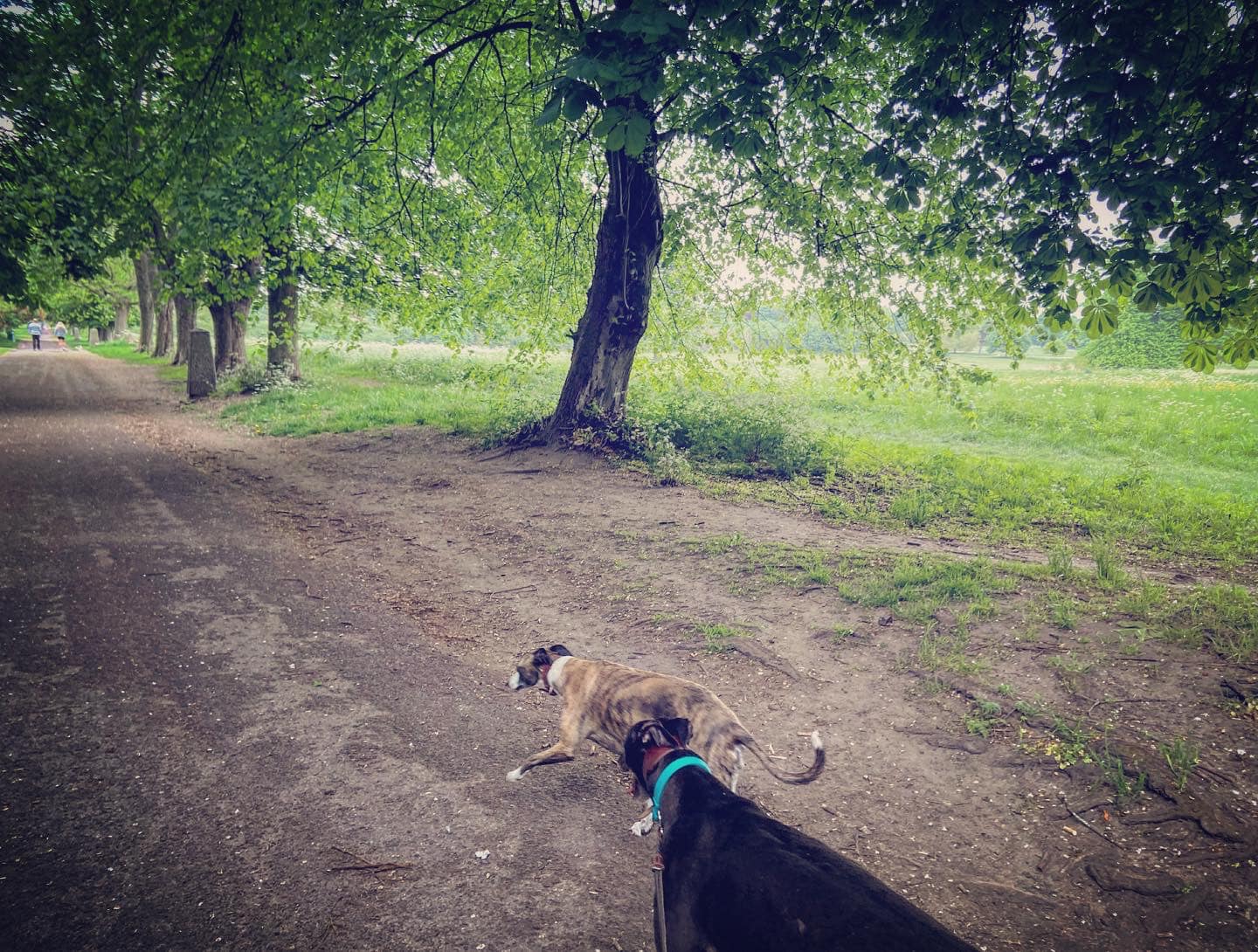
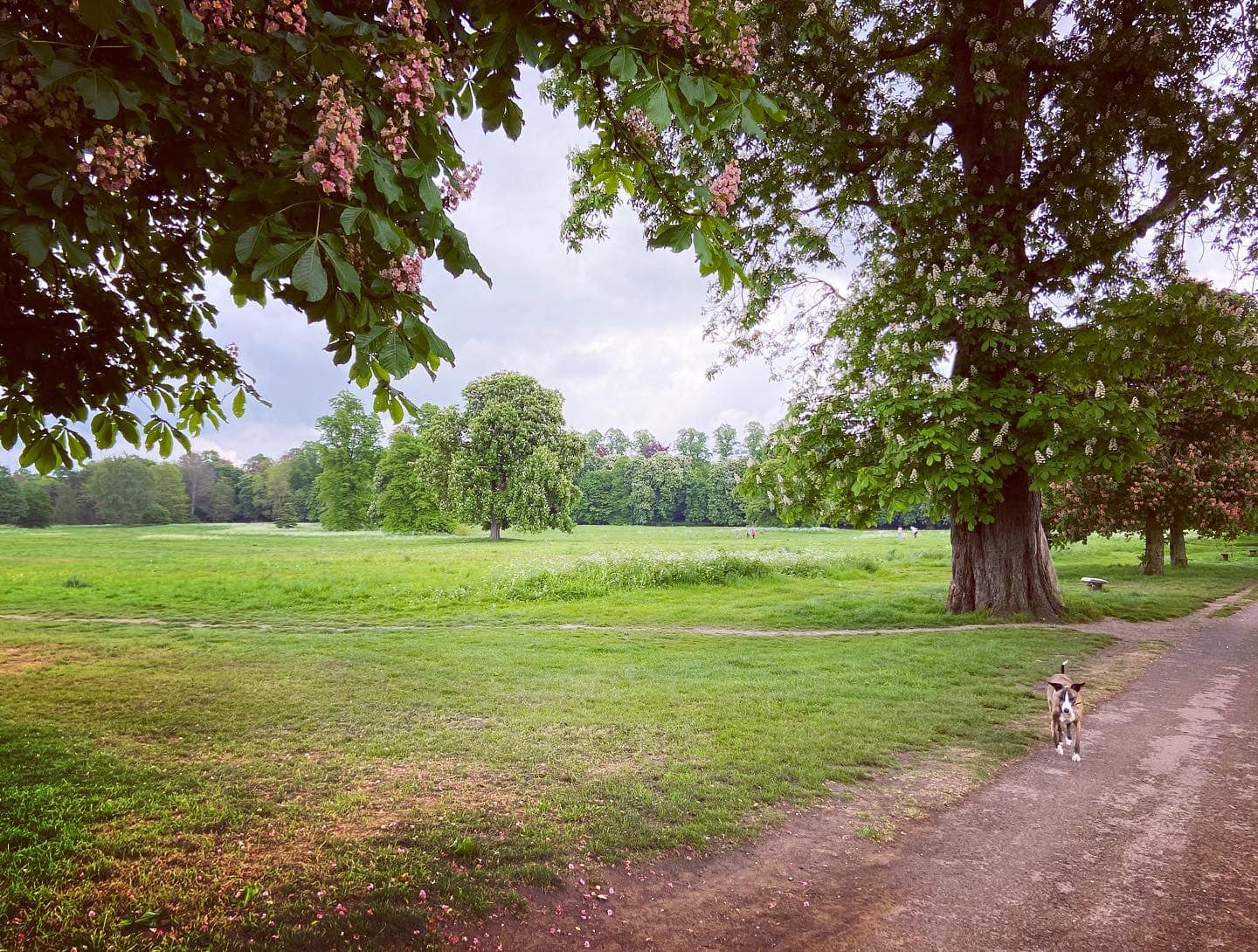
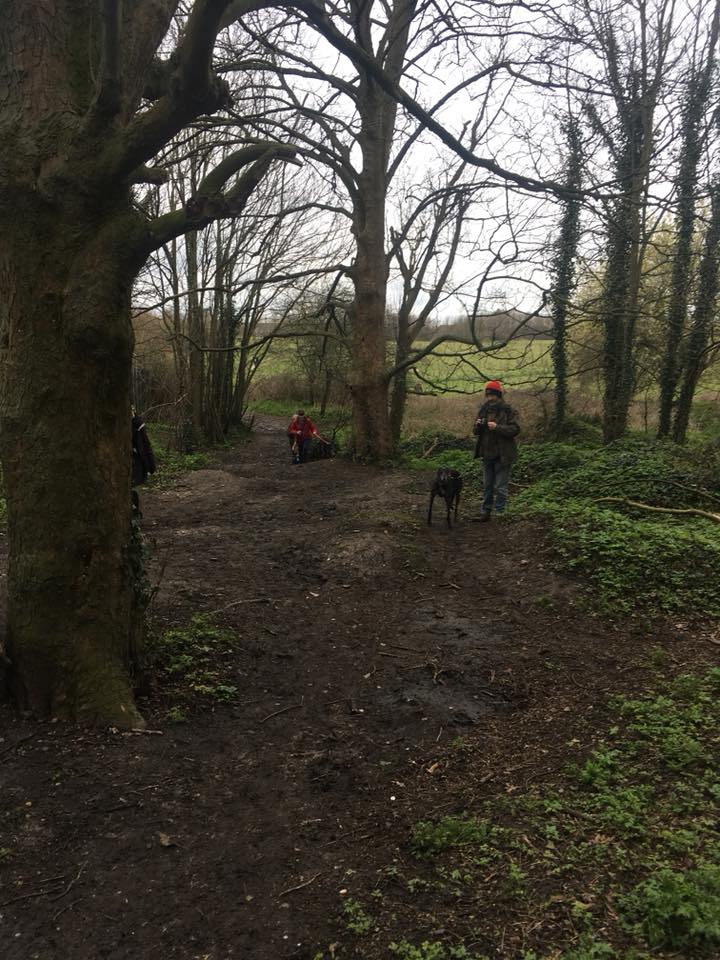
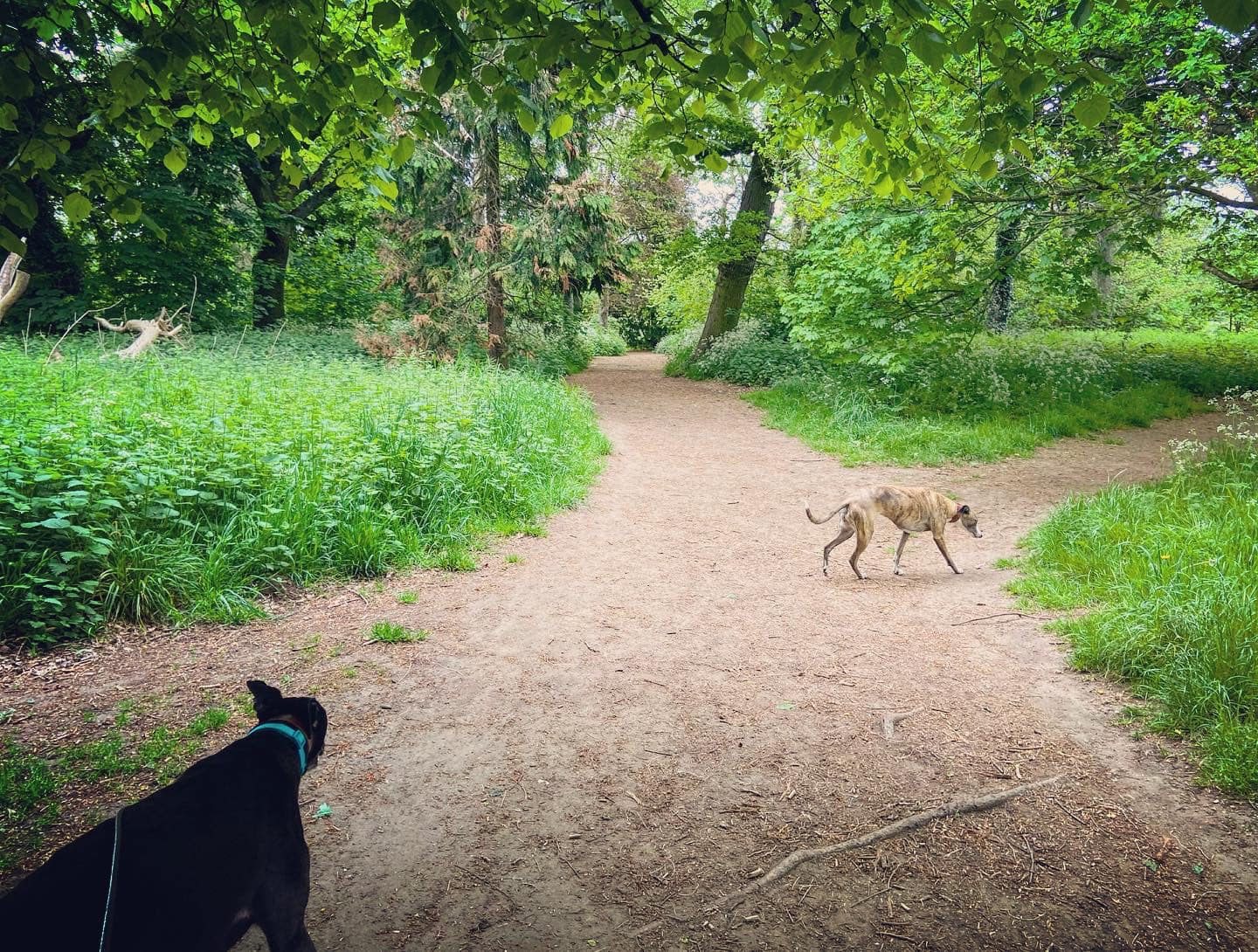
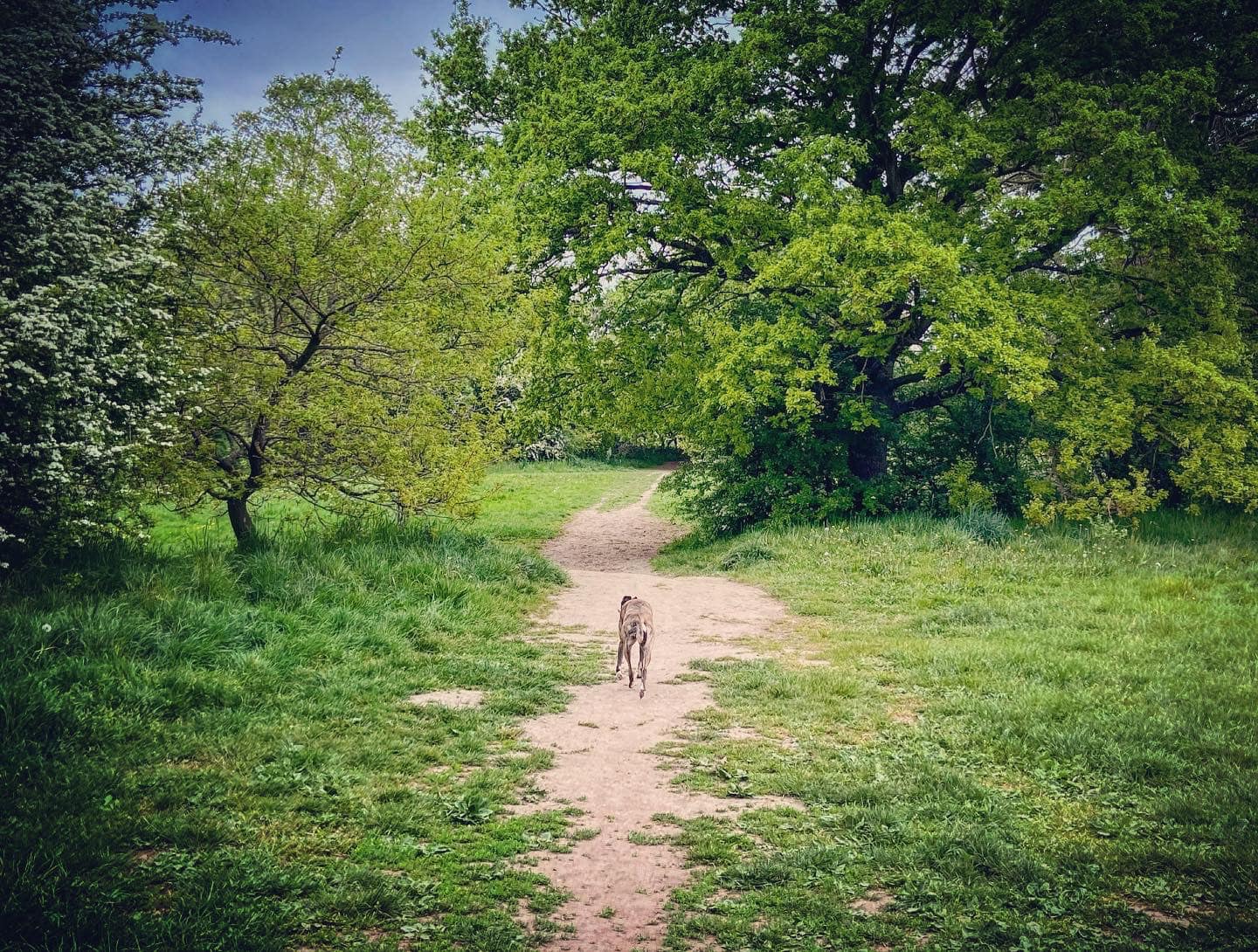
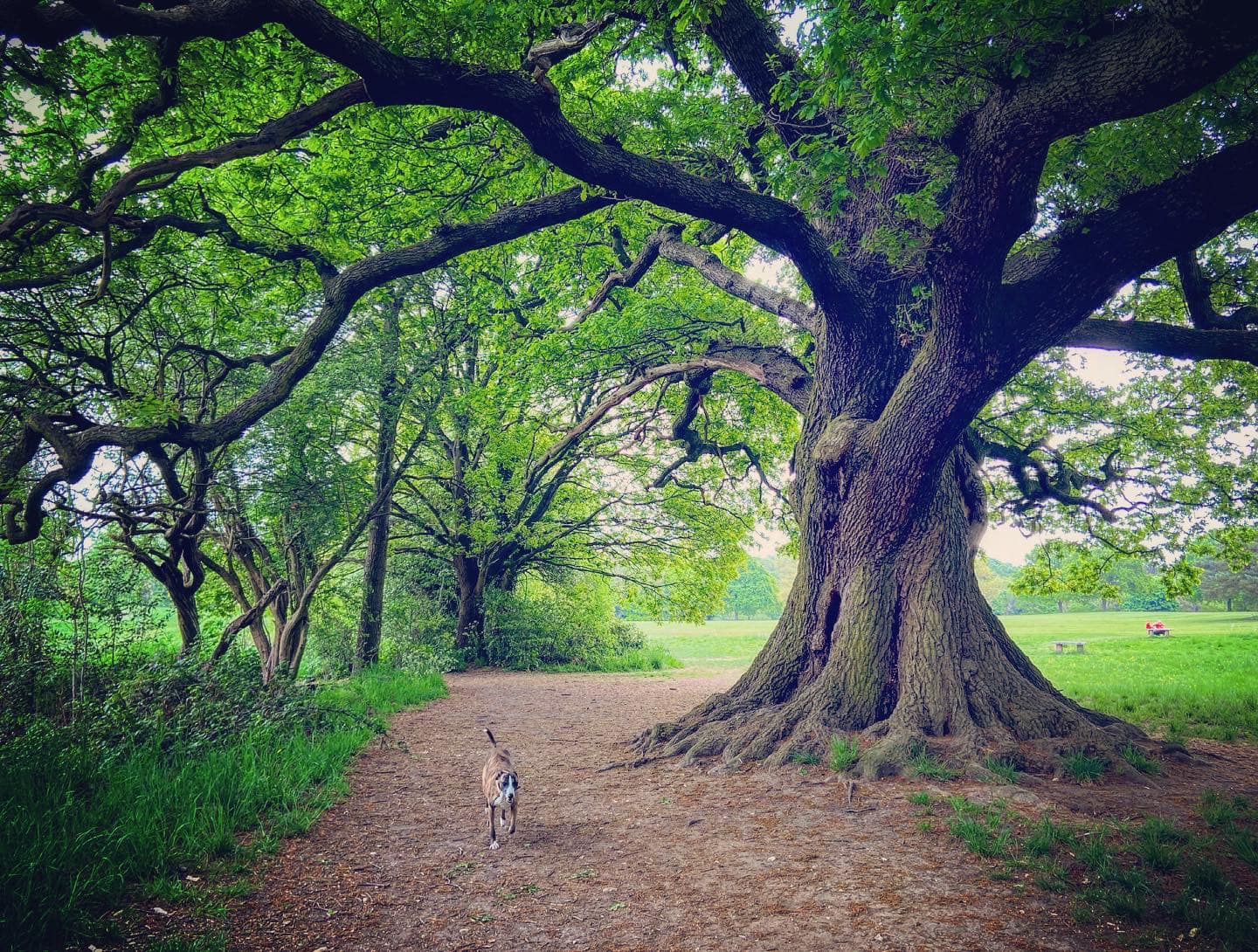
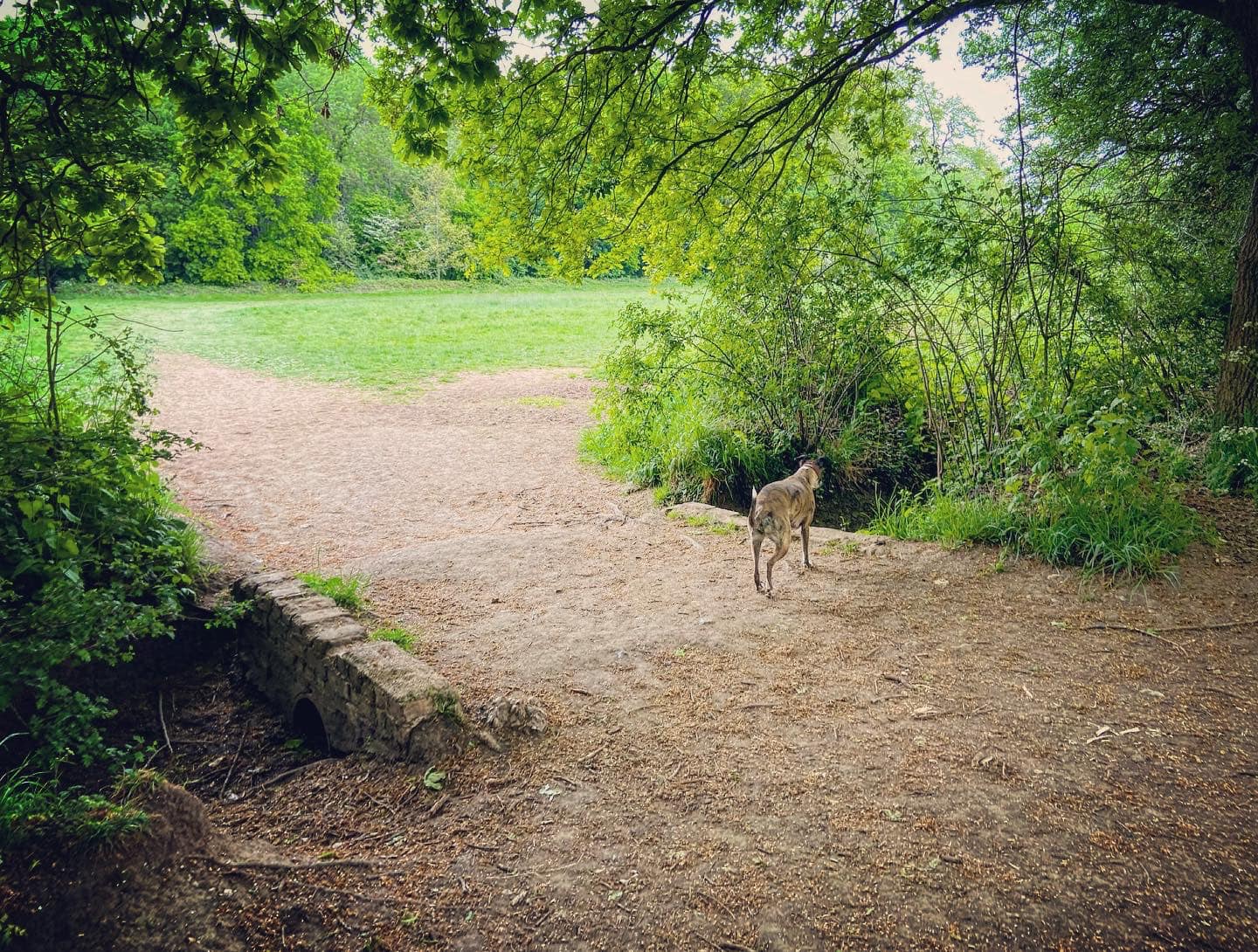
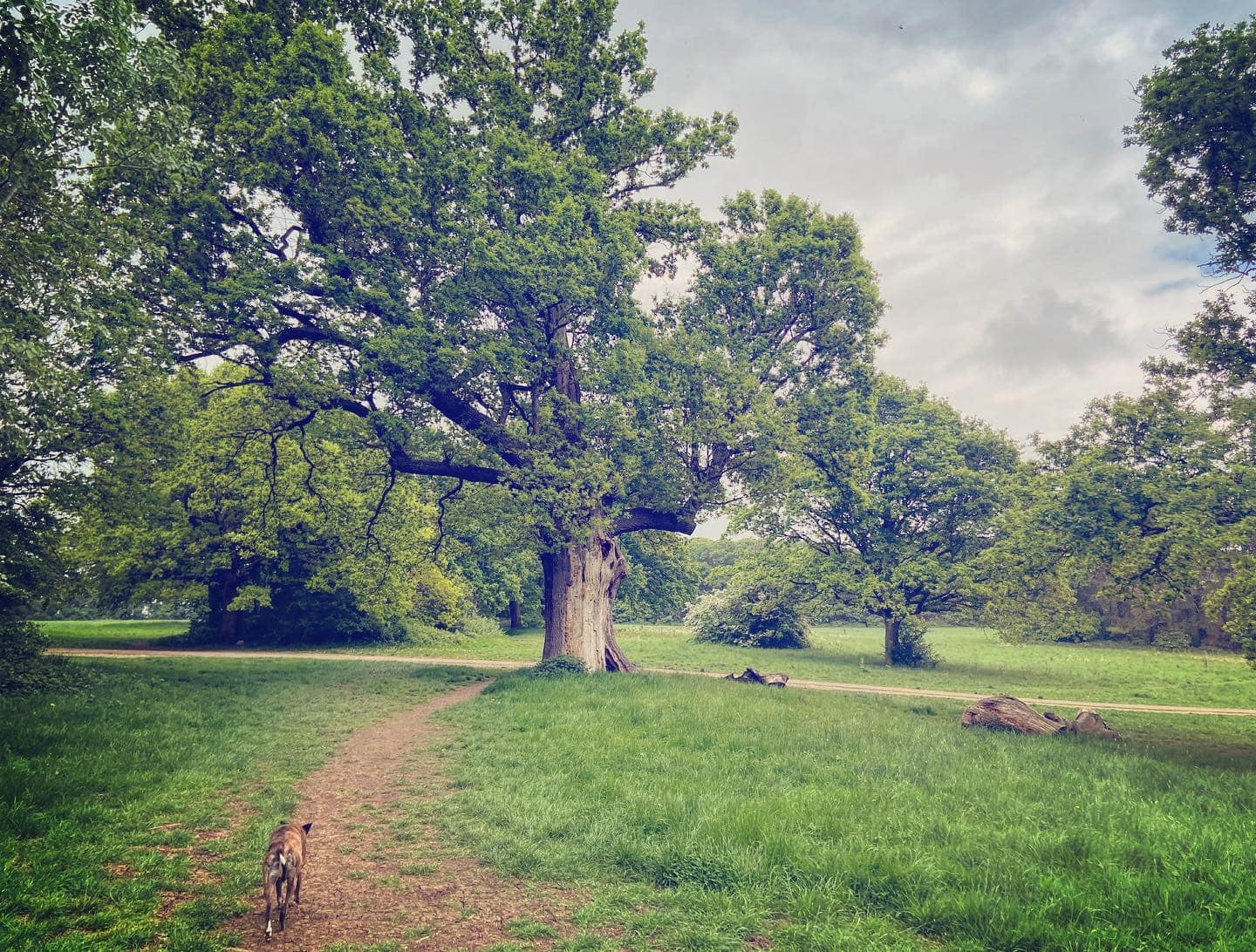
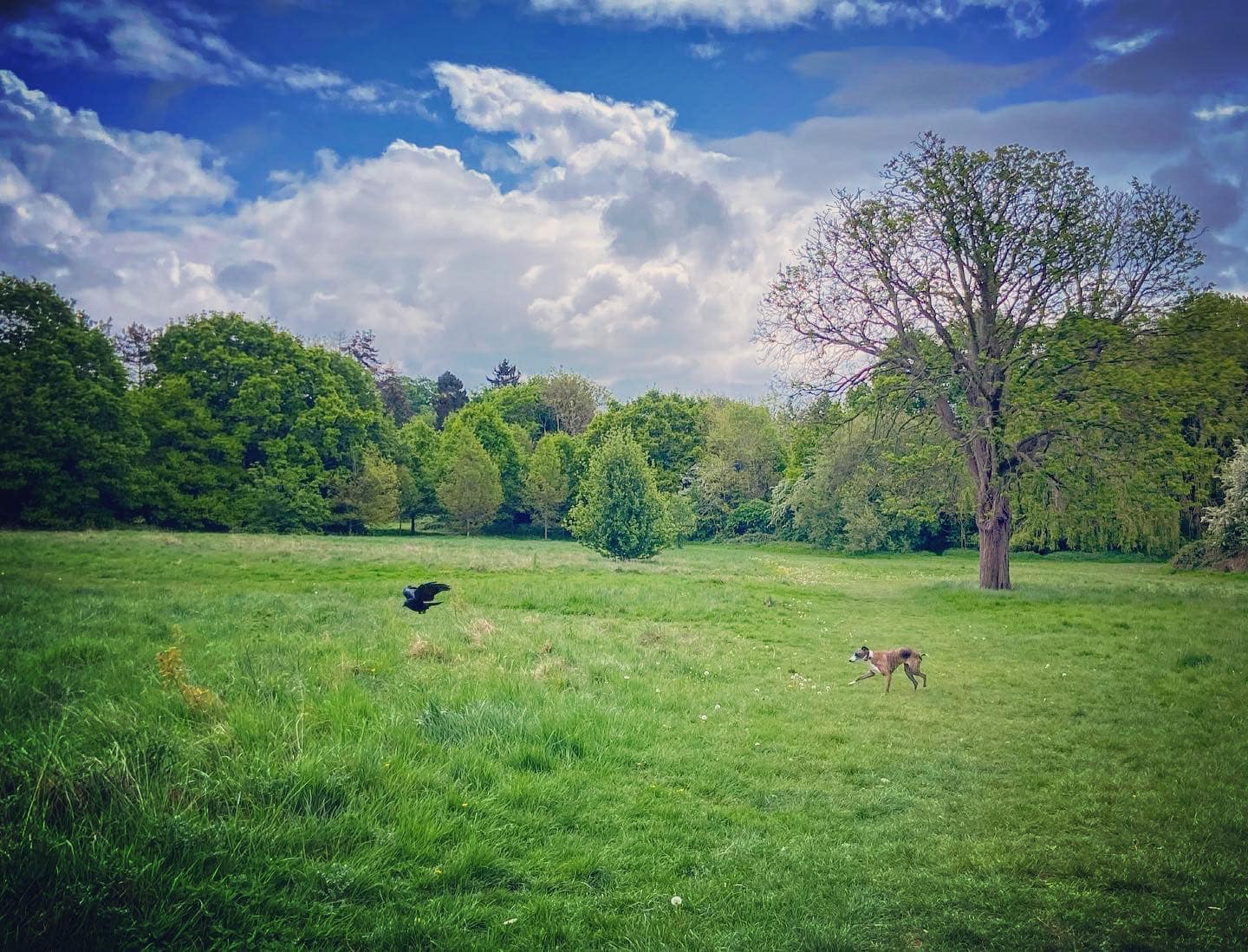
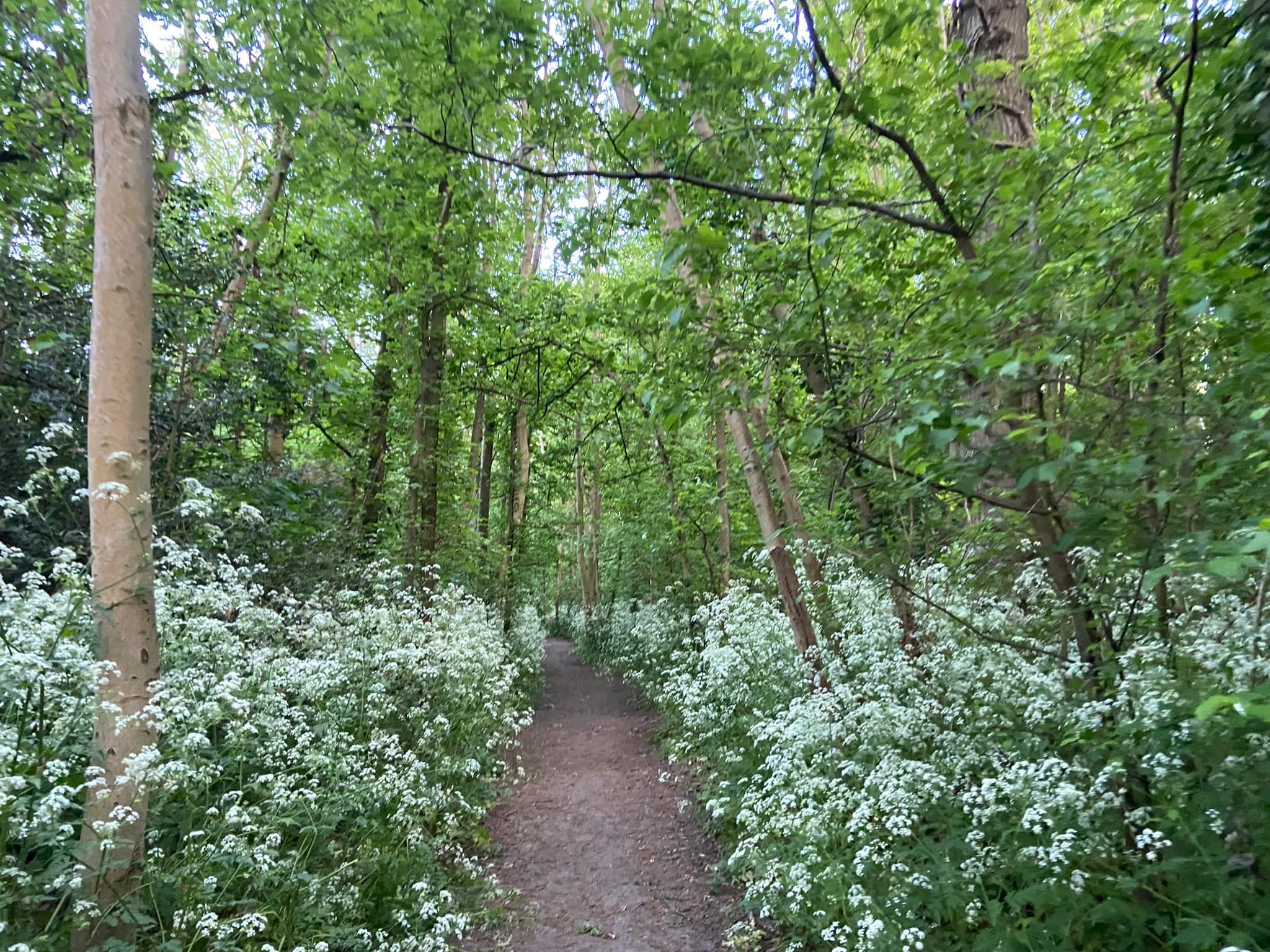
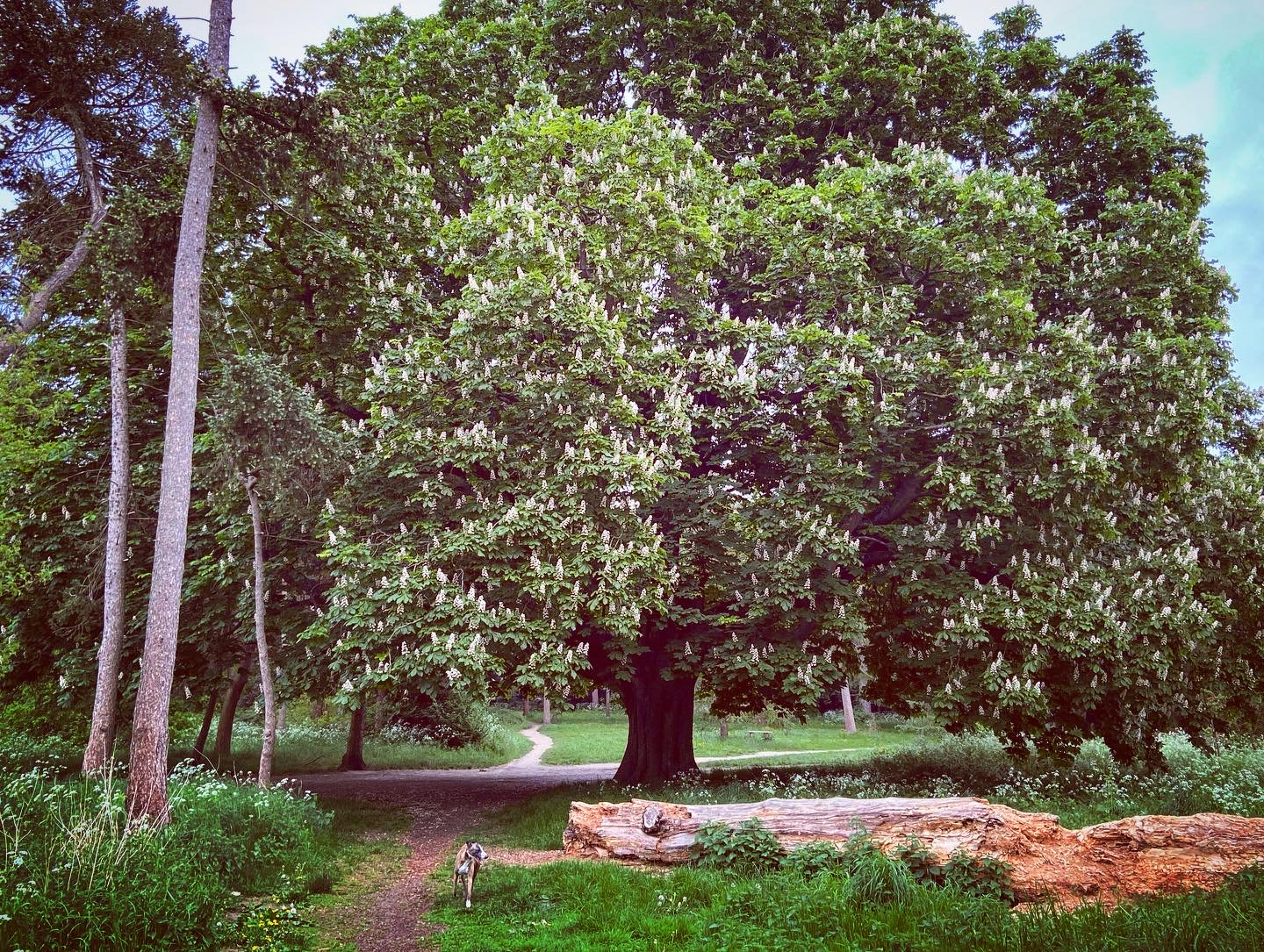
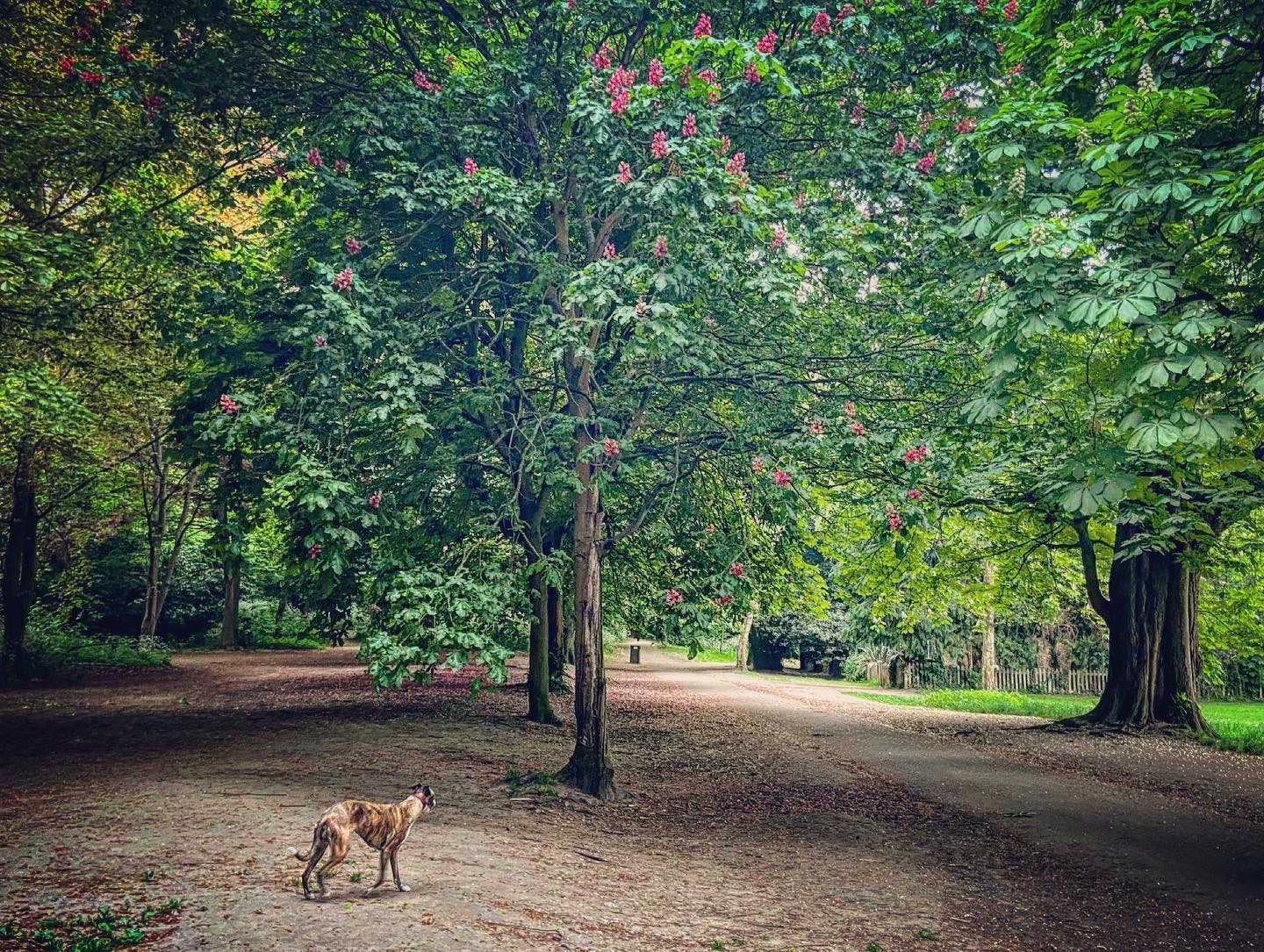
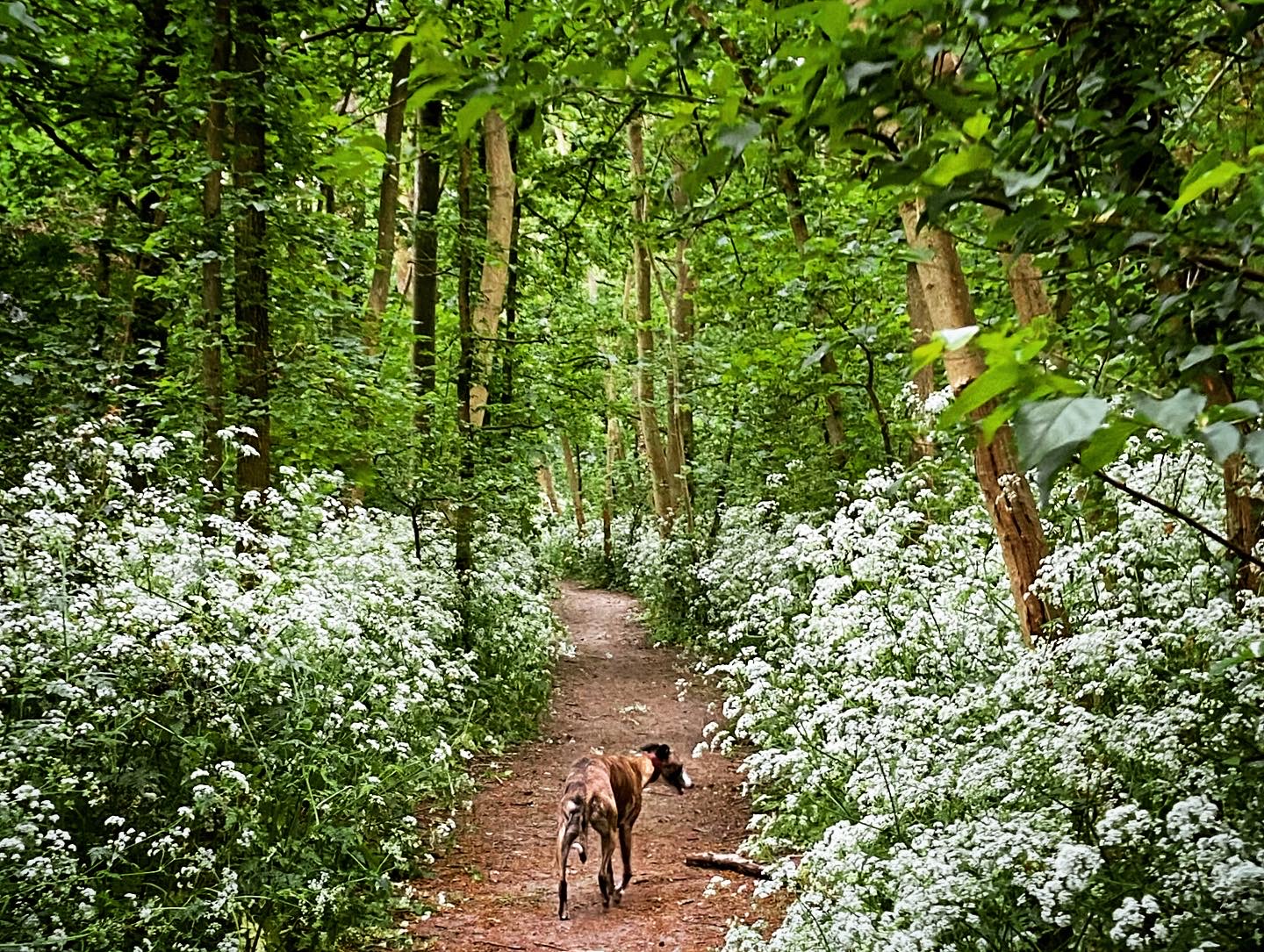
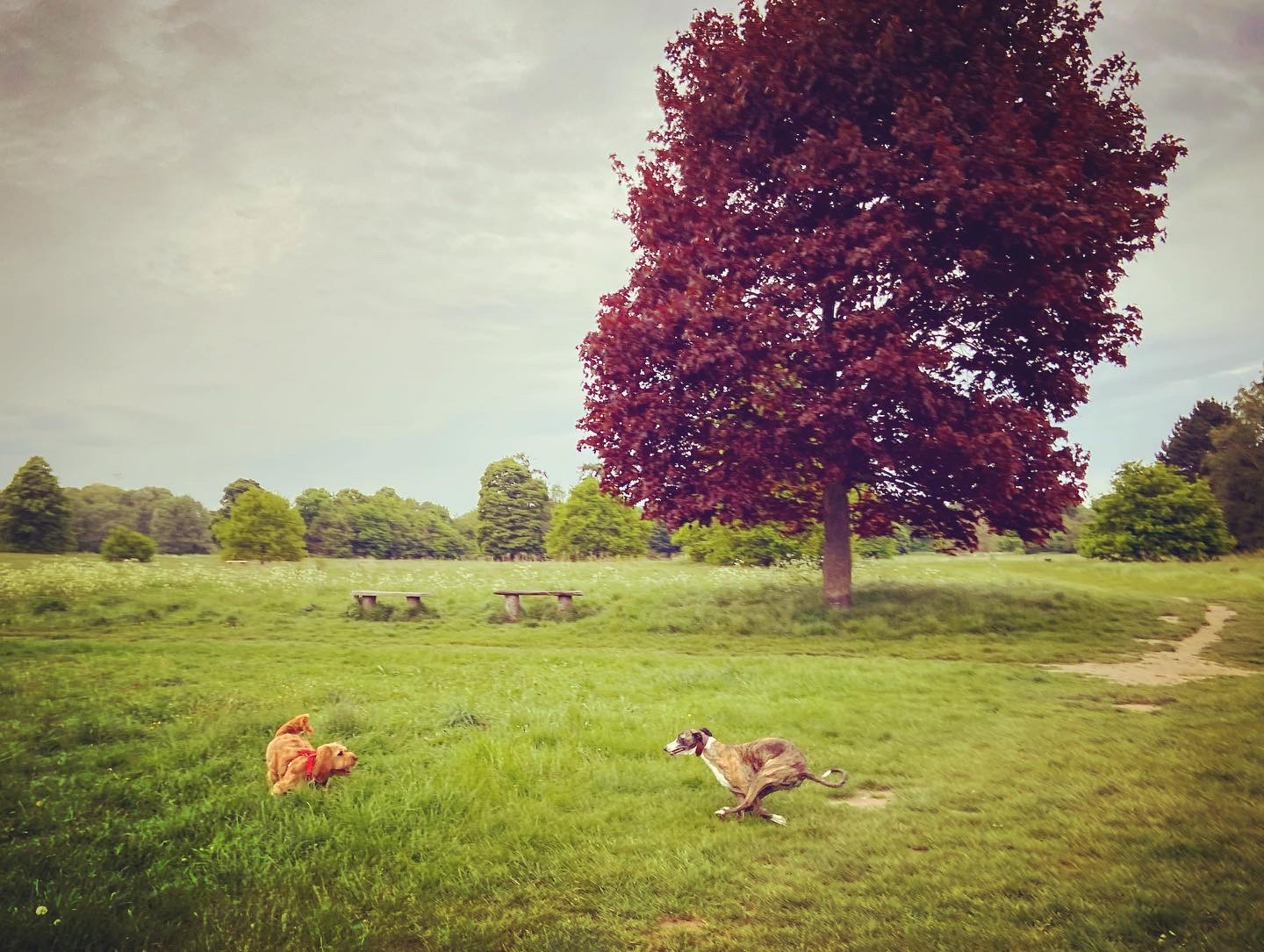
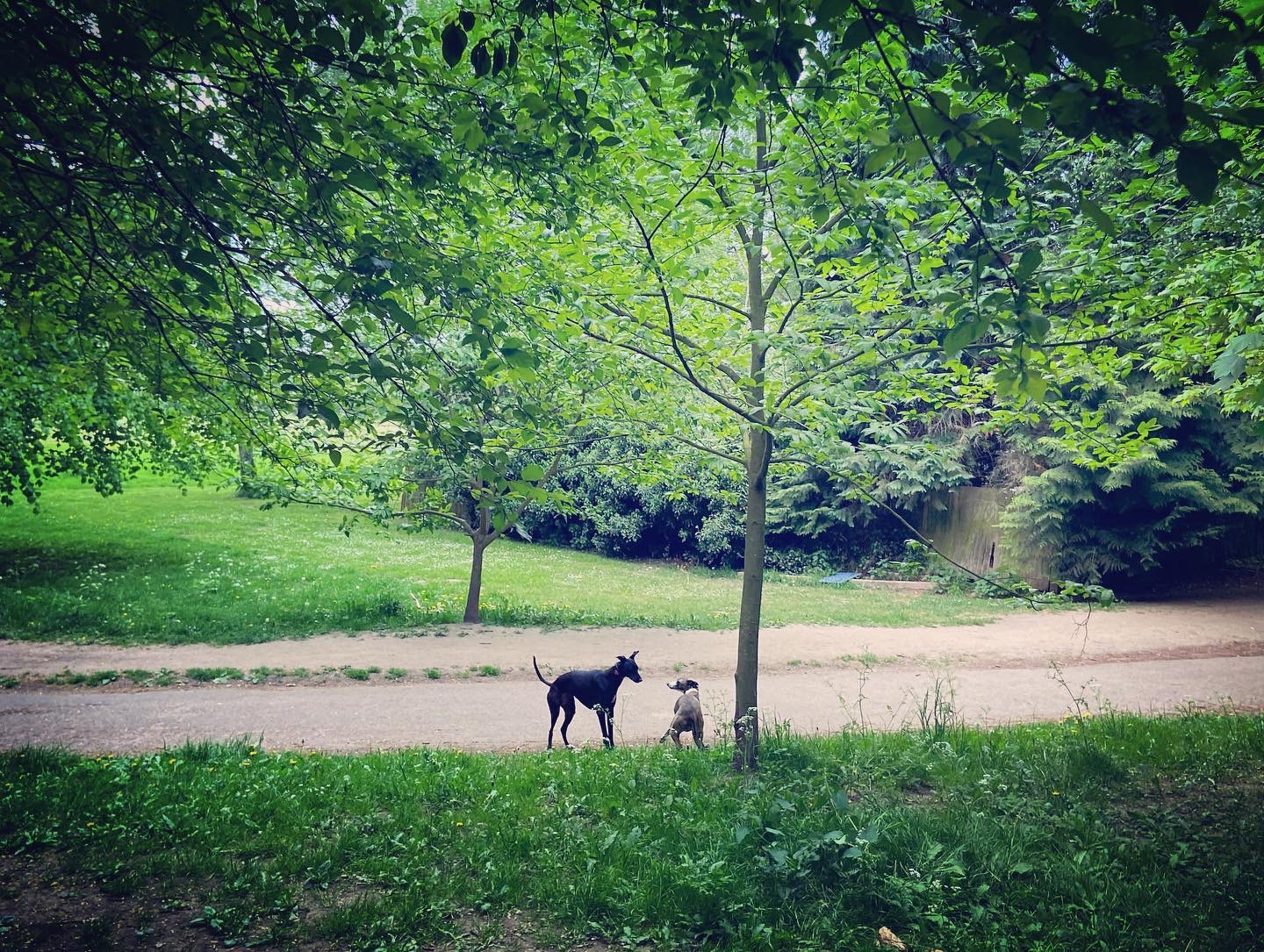
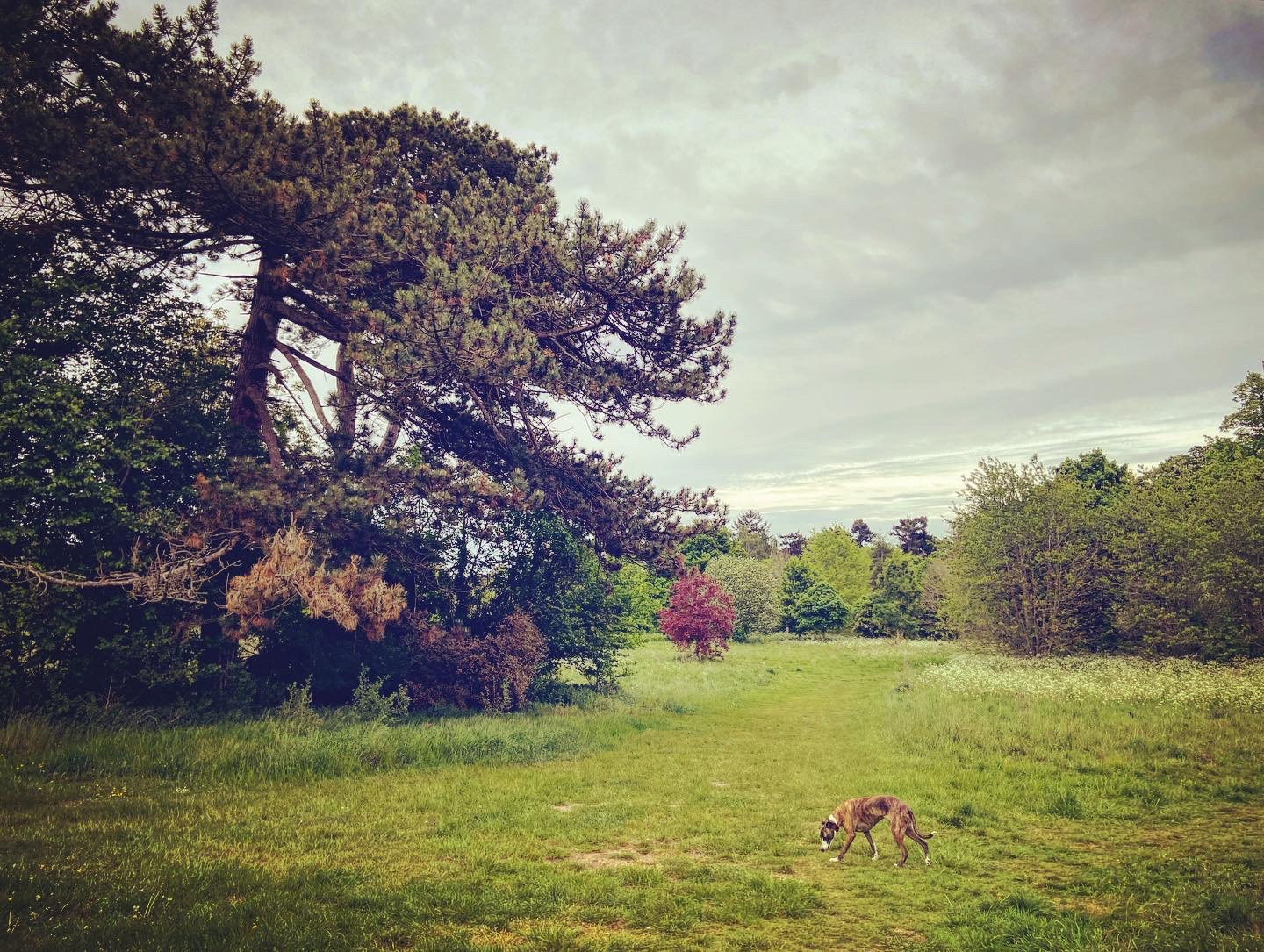
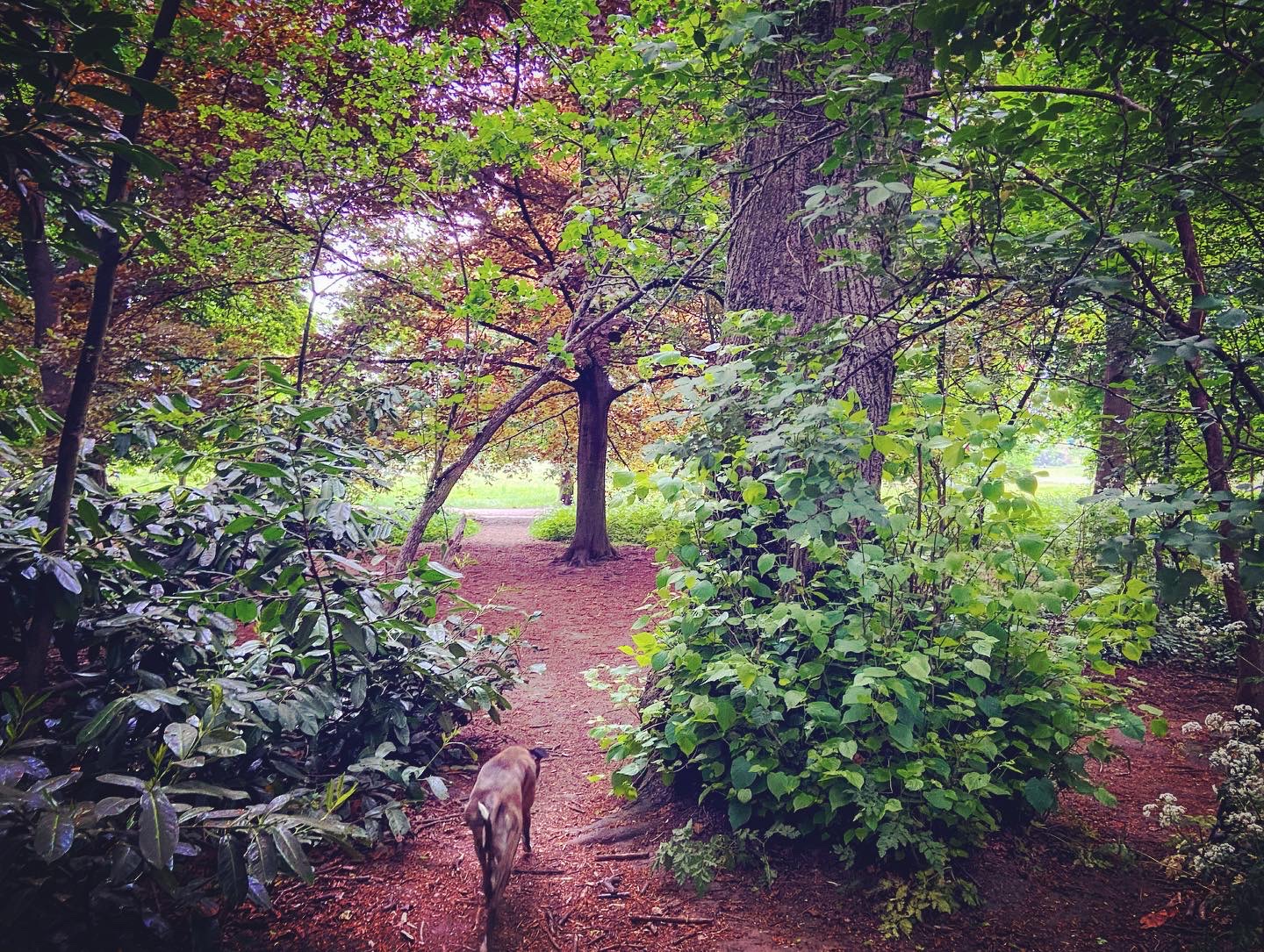
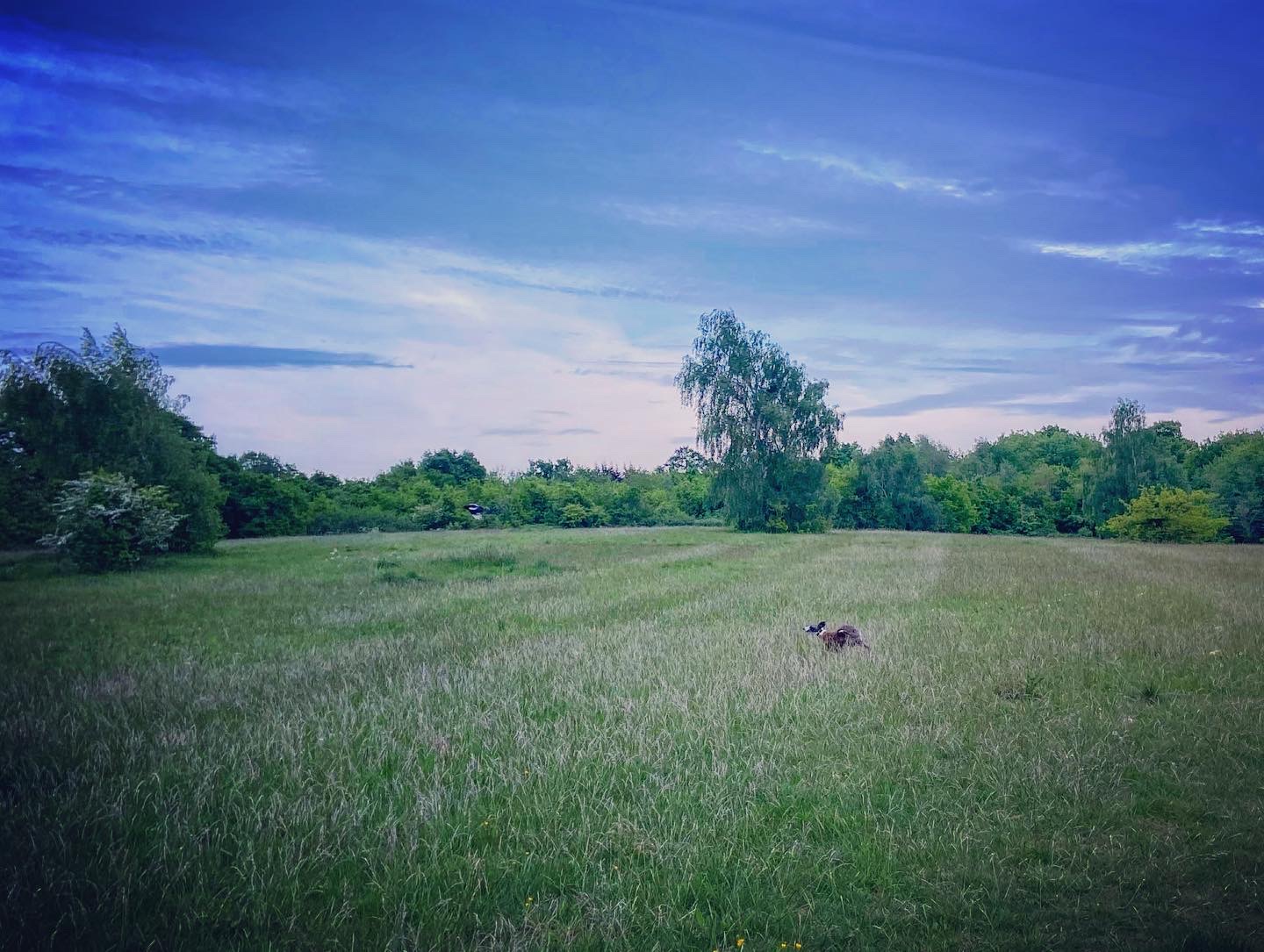
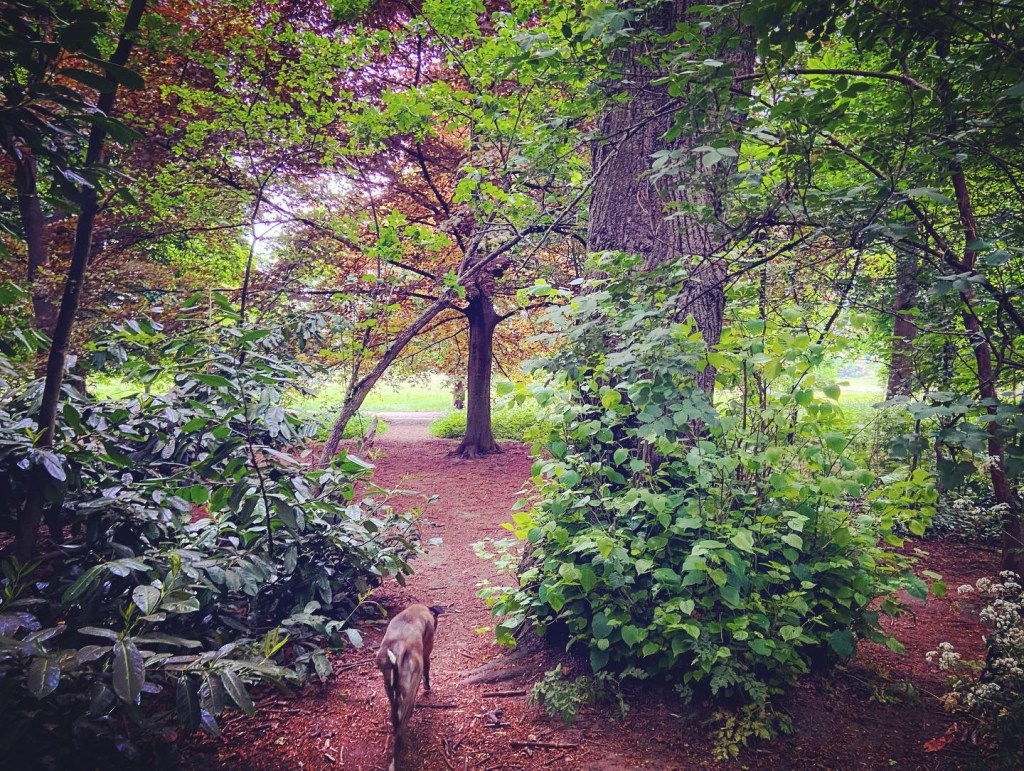
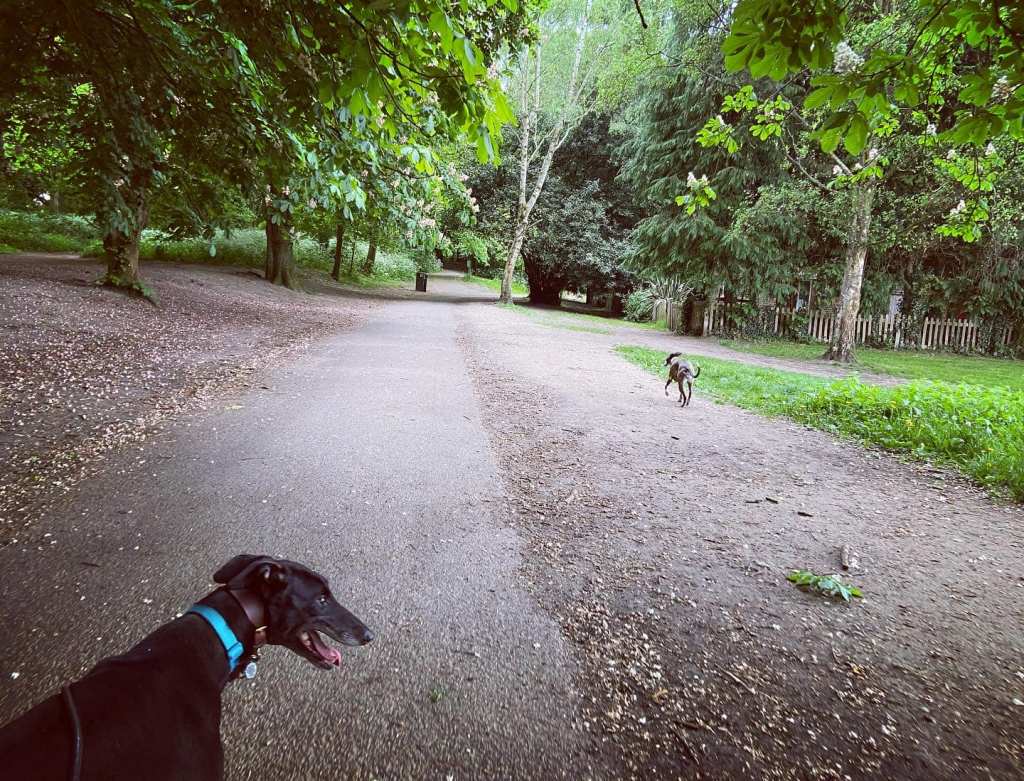
Gallery: What’s it like here?



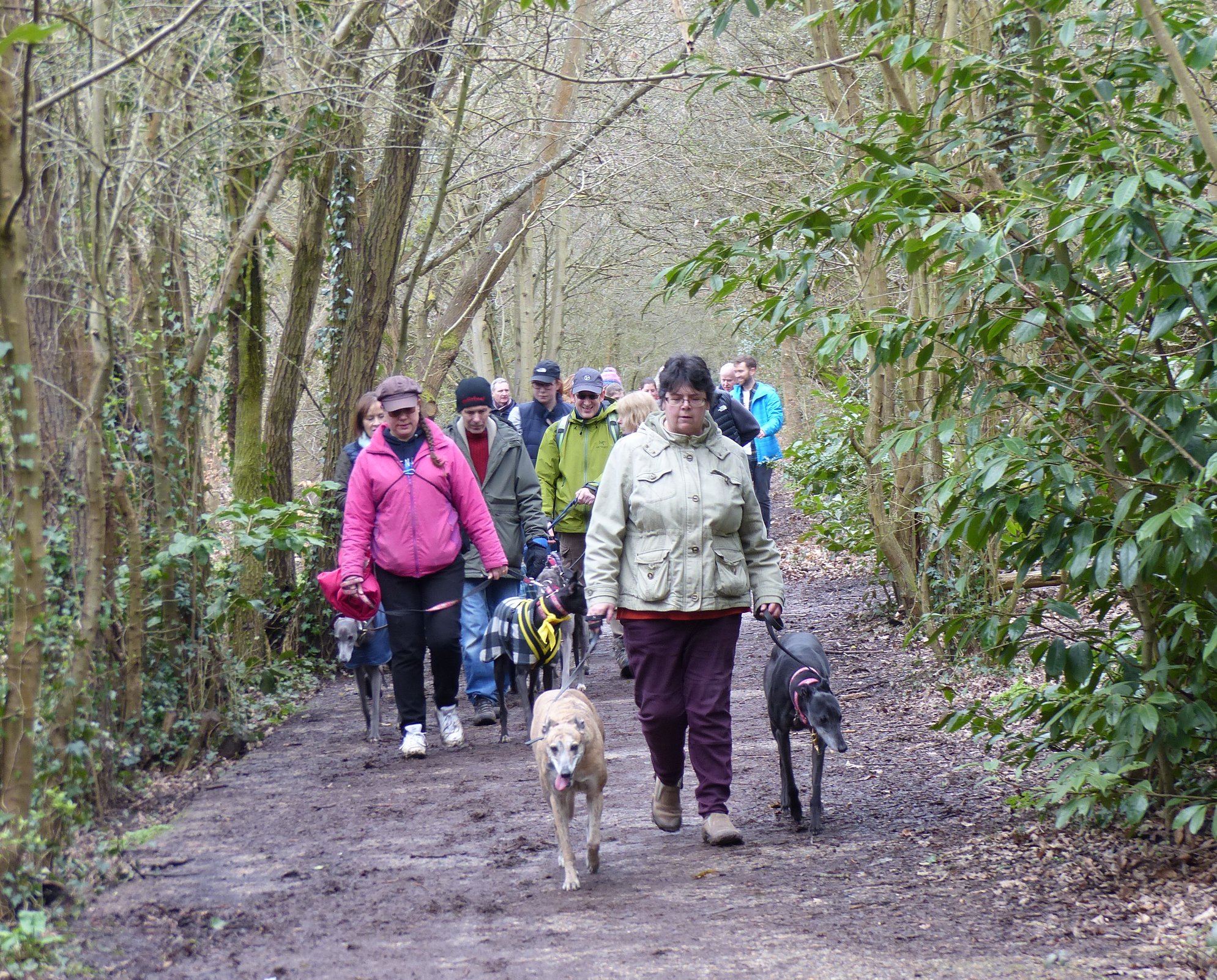
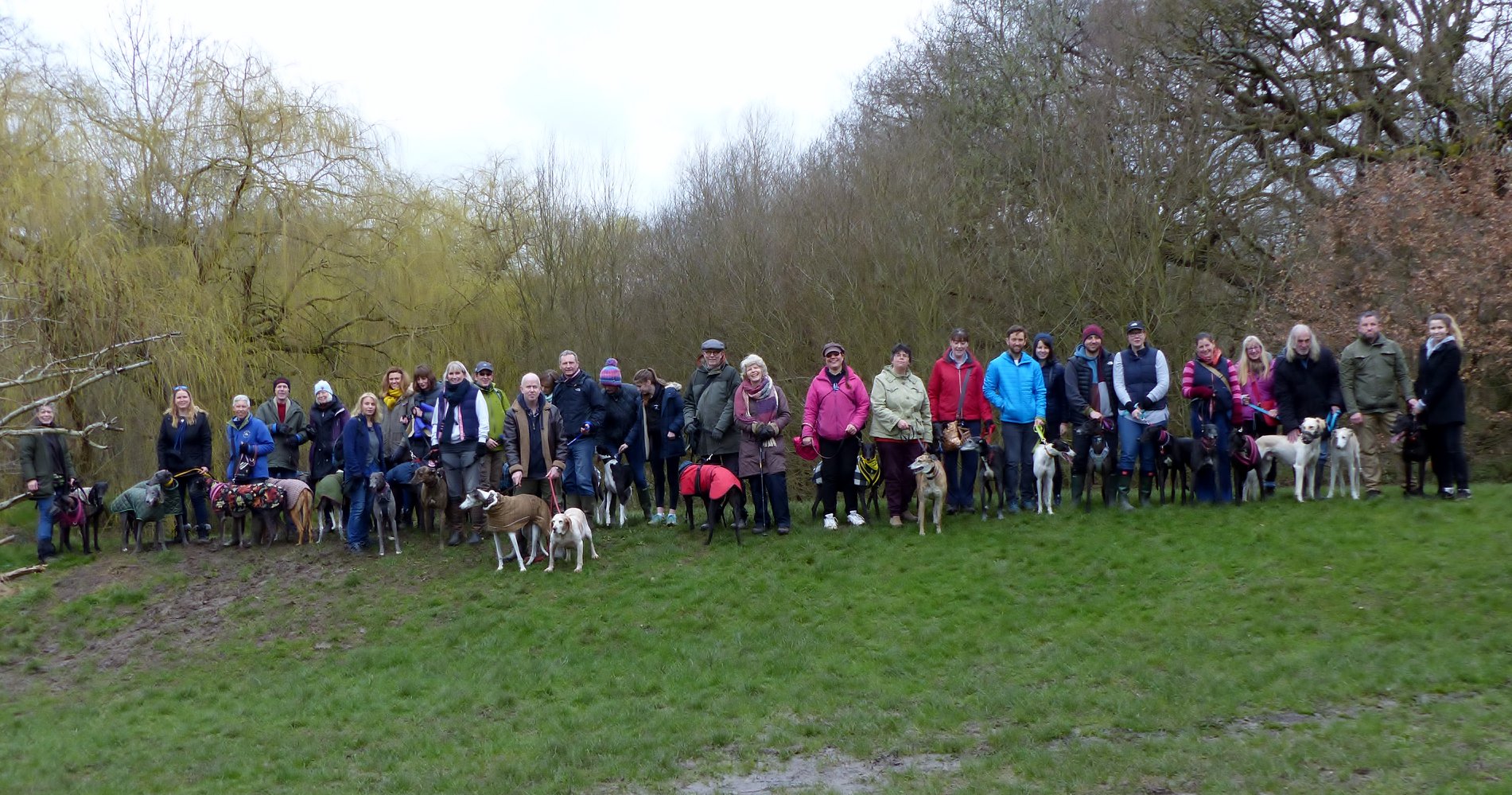
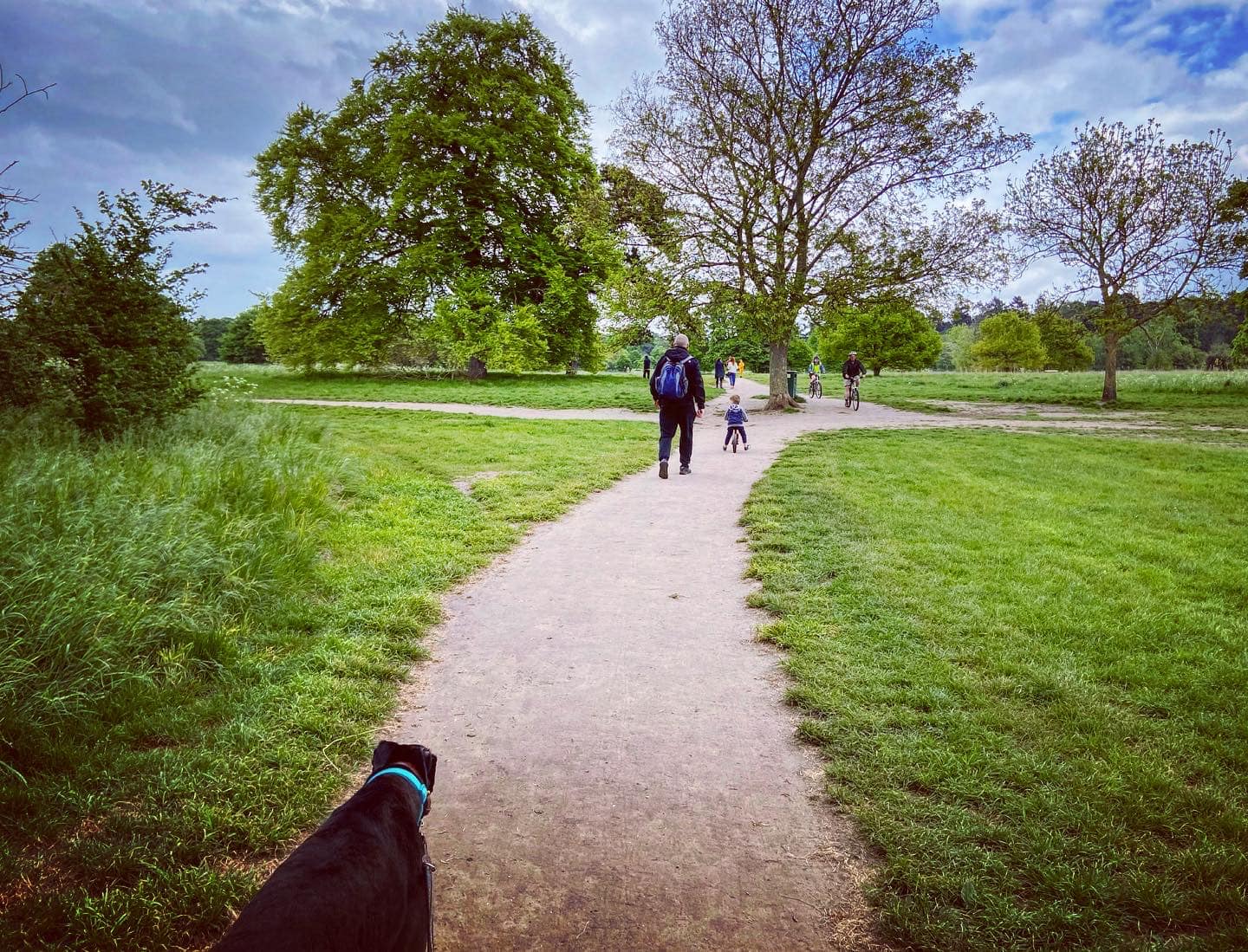
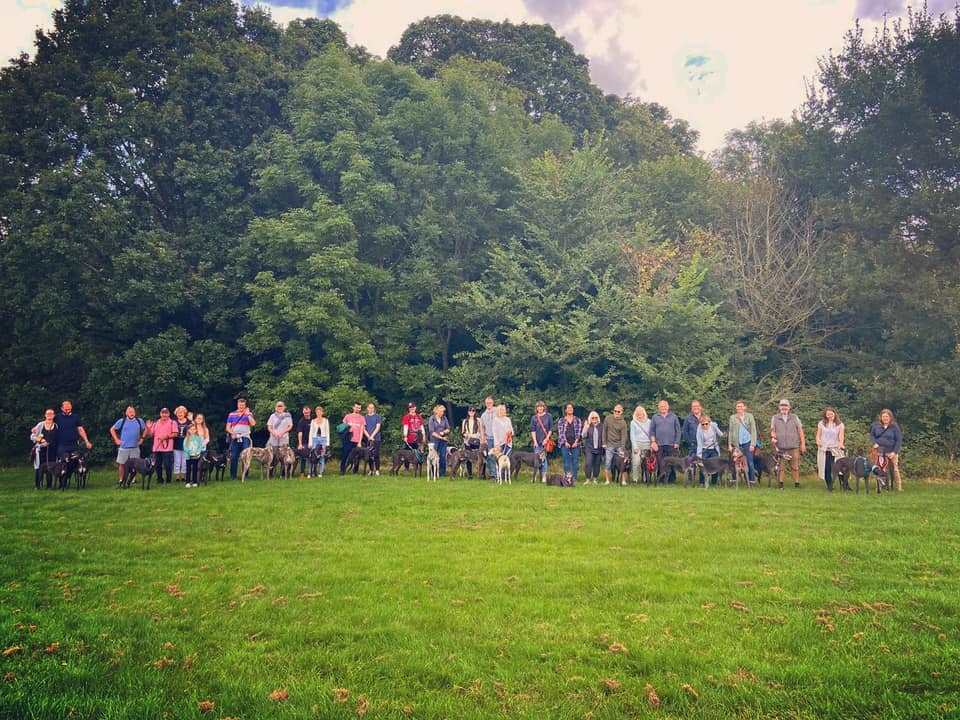
Instagram reel showing this place
Parking
Park in one of the two car parks by the south east entrance to Nonsuch Park, which is the one off the A232/Ewell Road just behind Nonsuch High School for Girls. There are also a couple of free car parks off the main A24 London Road. While Nonsuch Park is open to pedestrians 24-hours-a-day, car access is from 7am to half hour before sunset, when the gates are all shut and locked for the night.
WHAT3WORDs: ///riches.swept.skirt
GOOGLEMAPS LINK: https://maps.app.goo.gl/d9BUUA91QswyXCGd7
NEAREST POSTCODE: SM3 8AL
Poo bins?
There are many bins all around the park.
Self-guided walk
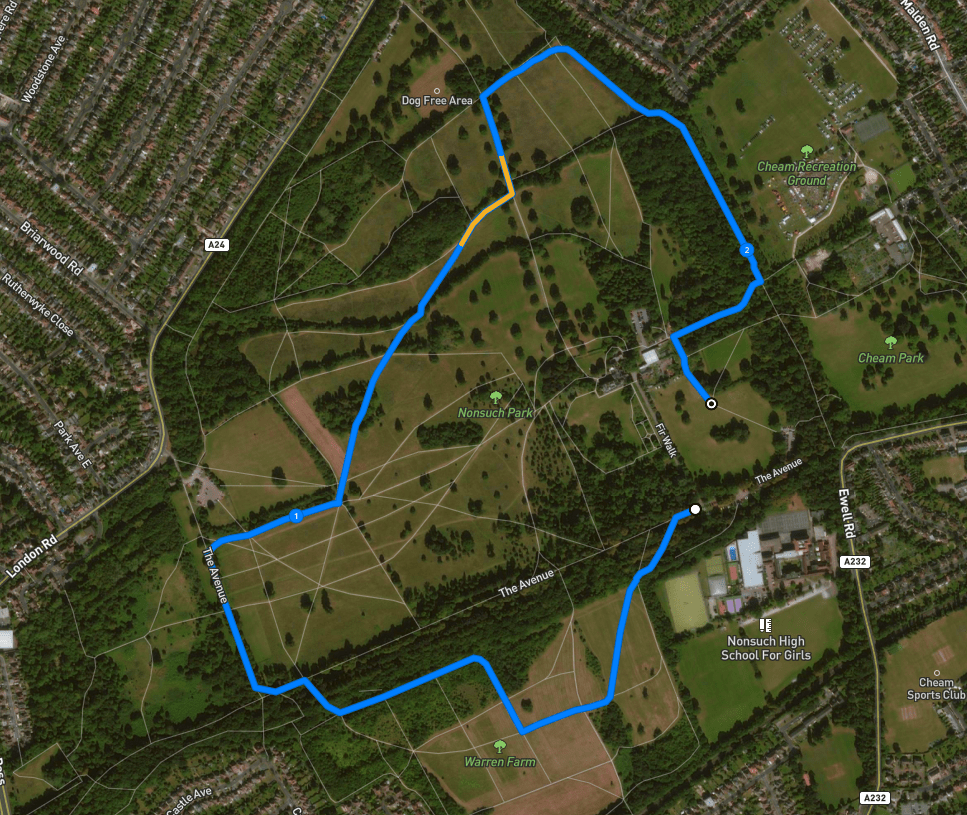
Here is a Footpath app route from the vehicle barrier at the end of The Avenue by the two car parks nearest the south east entrance. Also on AllTrails. This walk goes through the grassy meadows of Warren Farm, then the site of the former Nonsuch Palace, before looping through the middle of Nonsuch Park, then back via a small wood along the park’s eastern boundary.
Length: approximately 2.2 miles/3.6 km
Terrain: This is a largely flat walk on main paths – some are surfaced, some are grassy, some are mud. The mud paths can get a bit muddy in the colder, wetter months so boots advised for those times of year.
Stiles/kissing gates? No stiles, no kissing gates
The tarmac drive that leads from the A232/Cheam Road into the park is called The Avenue. As you drive through the gate, on the right-hand side there will be the first of the two car parks, then a large grassy area – and opposite this, on the left-hand side of The Avenue is the other car park. After the second car park, the car access drive goes round a right-hand corner and onto Fir Walk at a large sign with an arrow for Nonsuch Mansion. To the left of that sign for Nonsuch Mansion, there is a red and white vehicle barrier across The Avenue, which is usually closed. This is the start point for this walk.
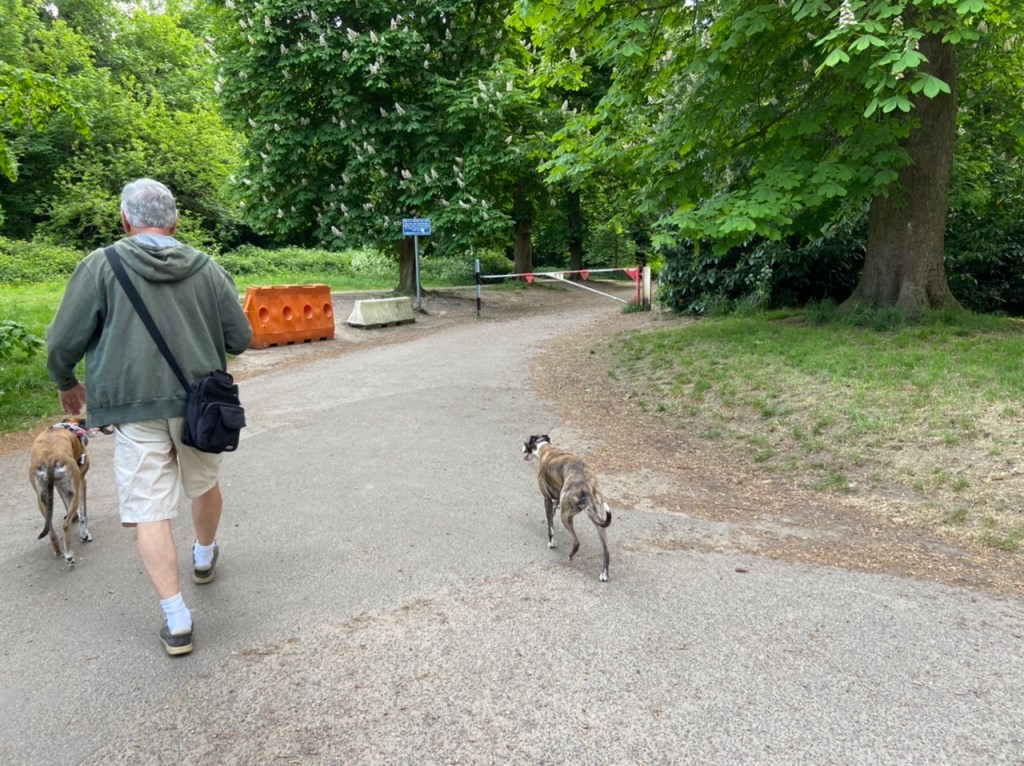
With the vehicle barrier and the car parks behind you, walk down The Avenue. Almost immediately, there is a path off diagonally to the left.
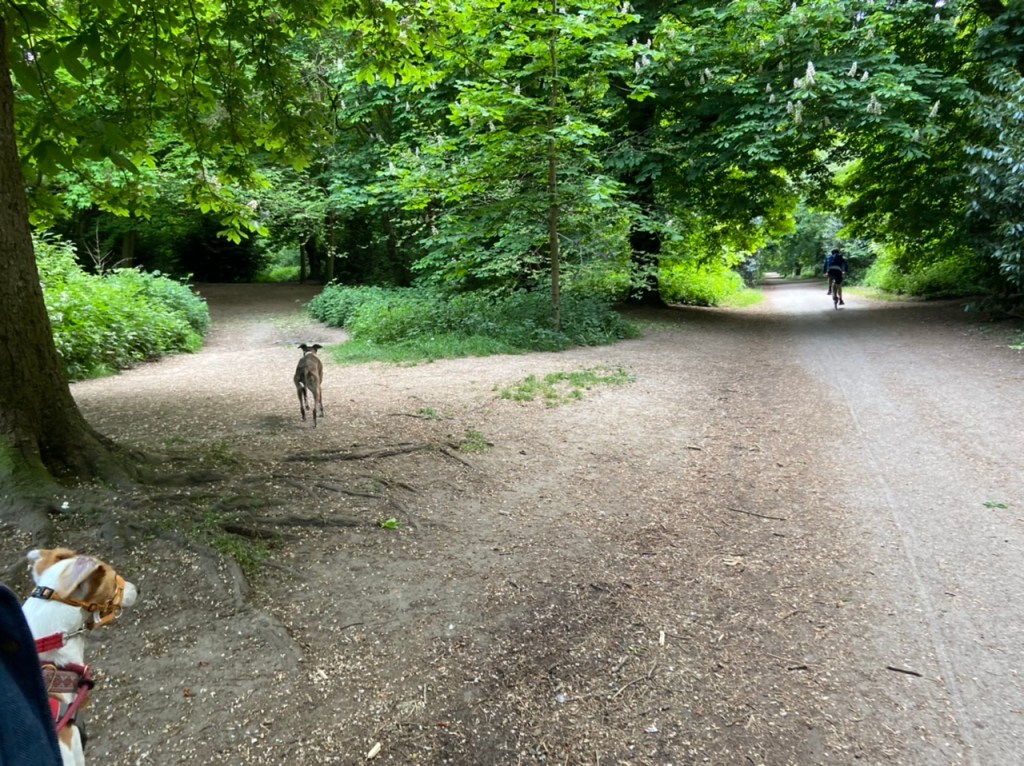
Go through the trees and bear left at the big tree in the middle of the path. Go straight across the first footpath that cuts across your path and turn right on the second just after it.
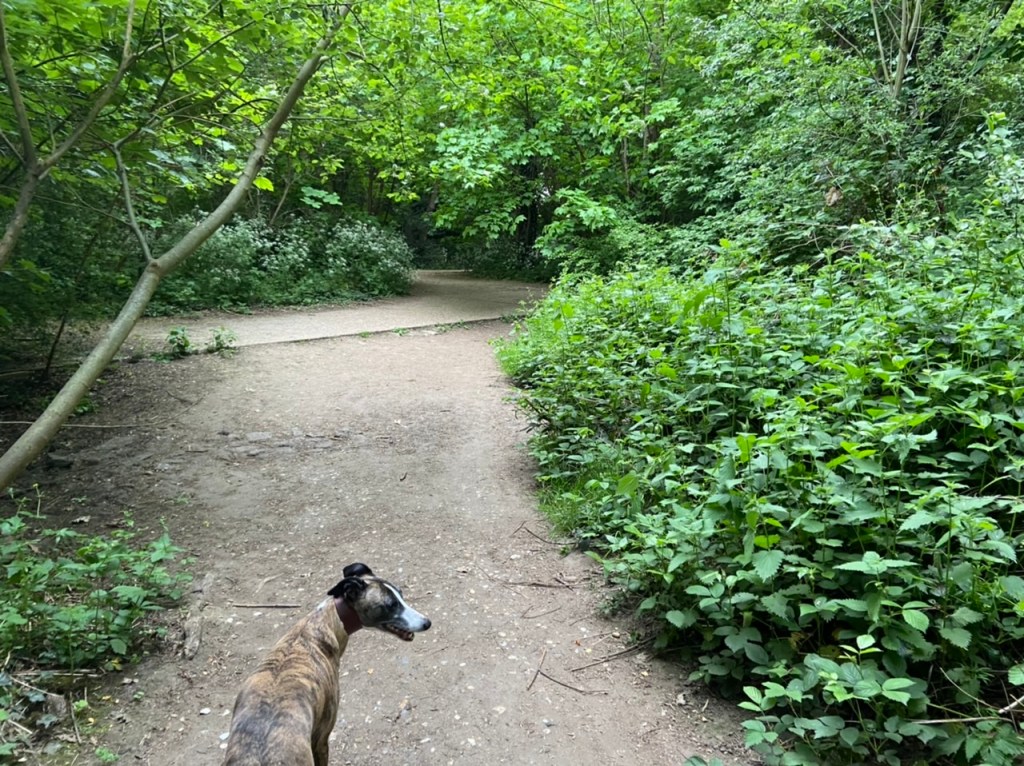
After a few paces, you’ll see a wooden fence with two gaps to the left. Go through the right-hand gap and take the right-hand path to emerge at the corner of the grassy fields of Warren Farm, a 21.5-hectare site of undeveloped former farmland now owned by the Woodland Trust and considered “an important landscape feature in a largely urban environment”. It is largely open grassland with several areas of planted native broadleaved trees, natural regeneration and some mature trees forming a wooded fringe to the site.
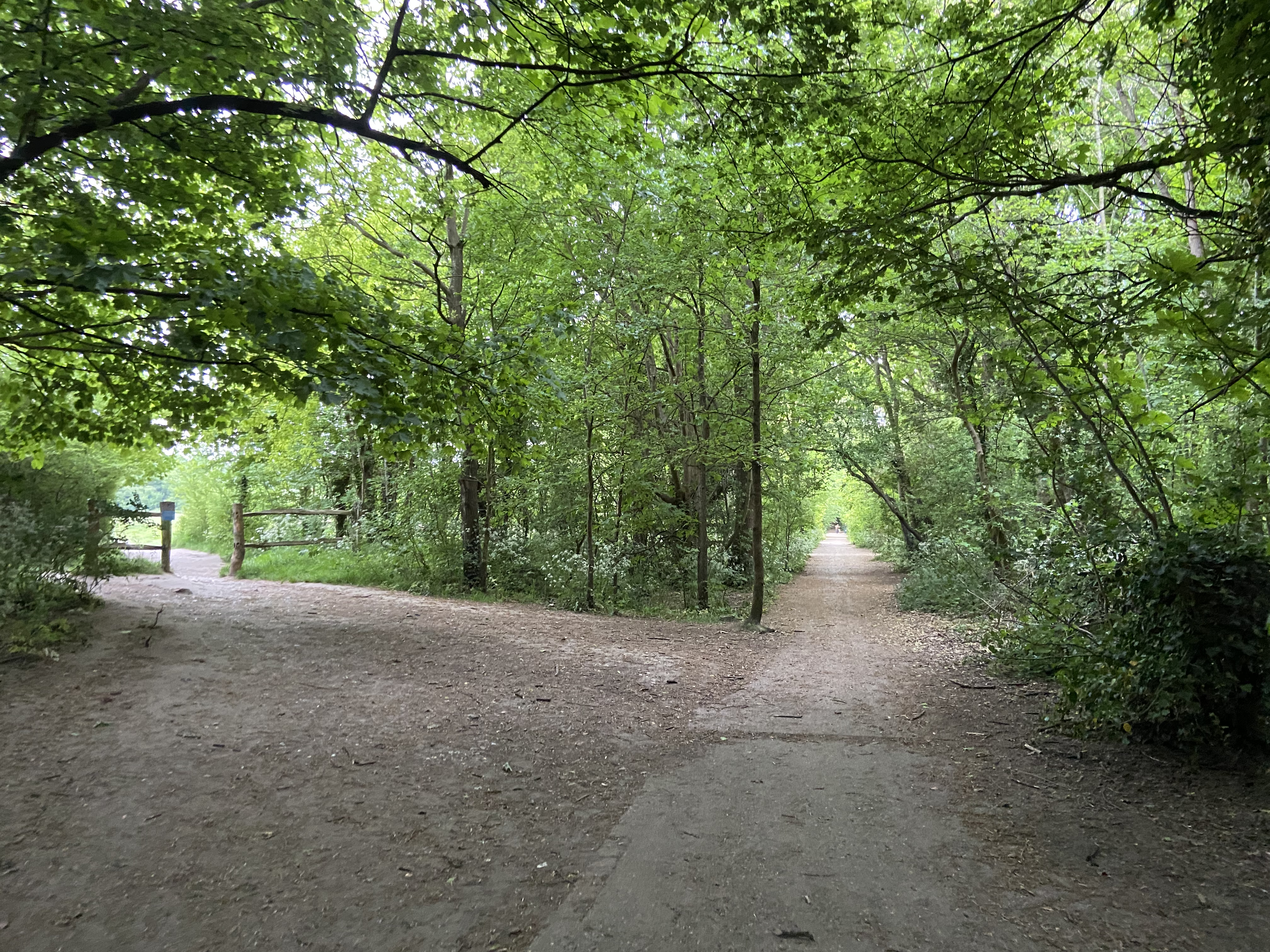
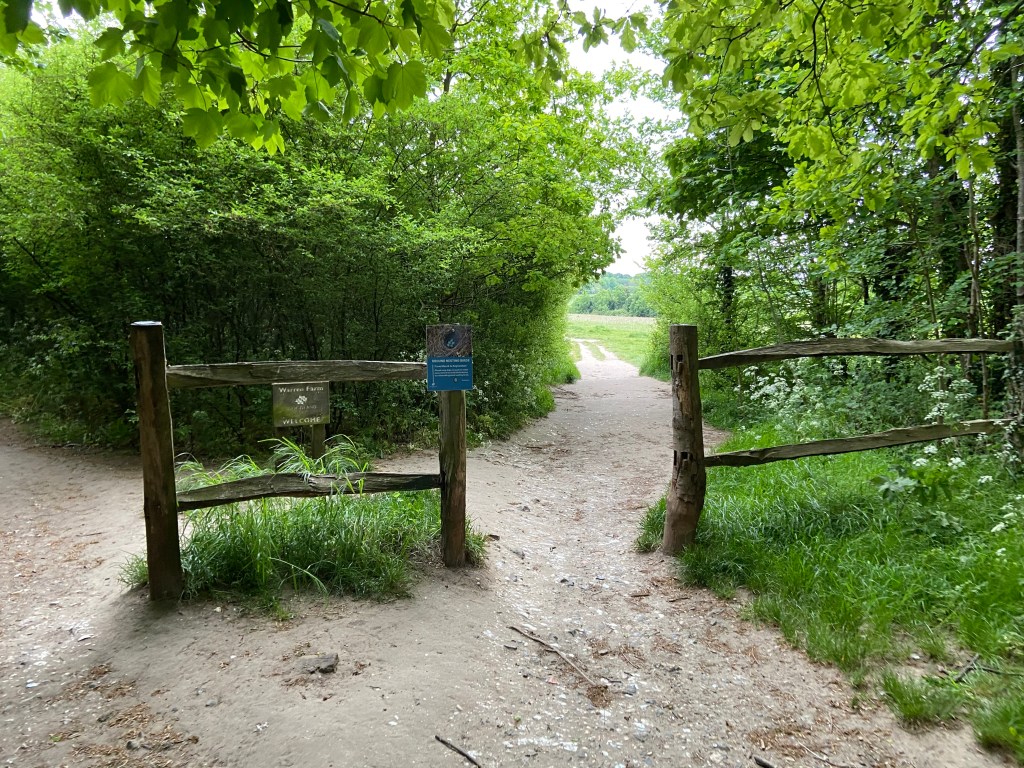
Continue straight ahead on the same path, which now goes diagonally through the middle of this open grassland towards a bench and, just beyond that, some trees. At the trees, follow the path round to the right, down a little dip and into the heart of Warren Farm’s fields.

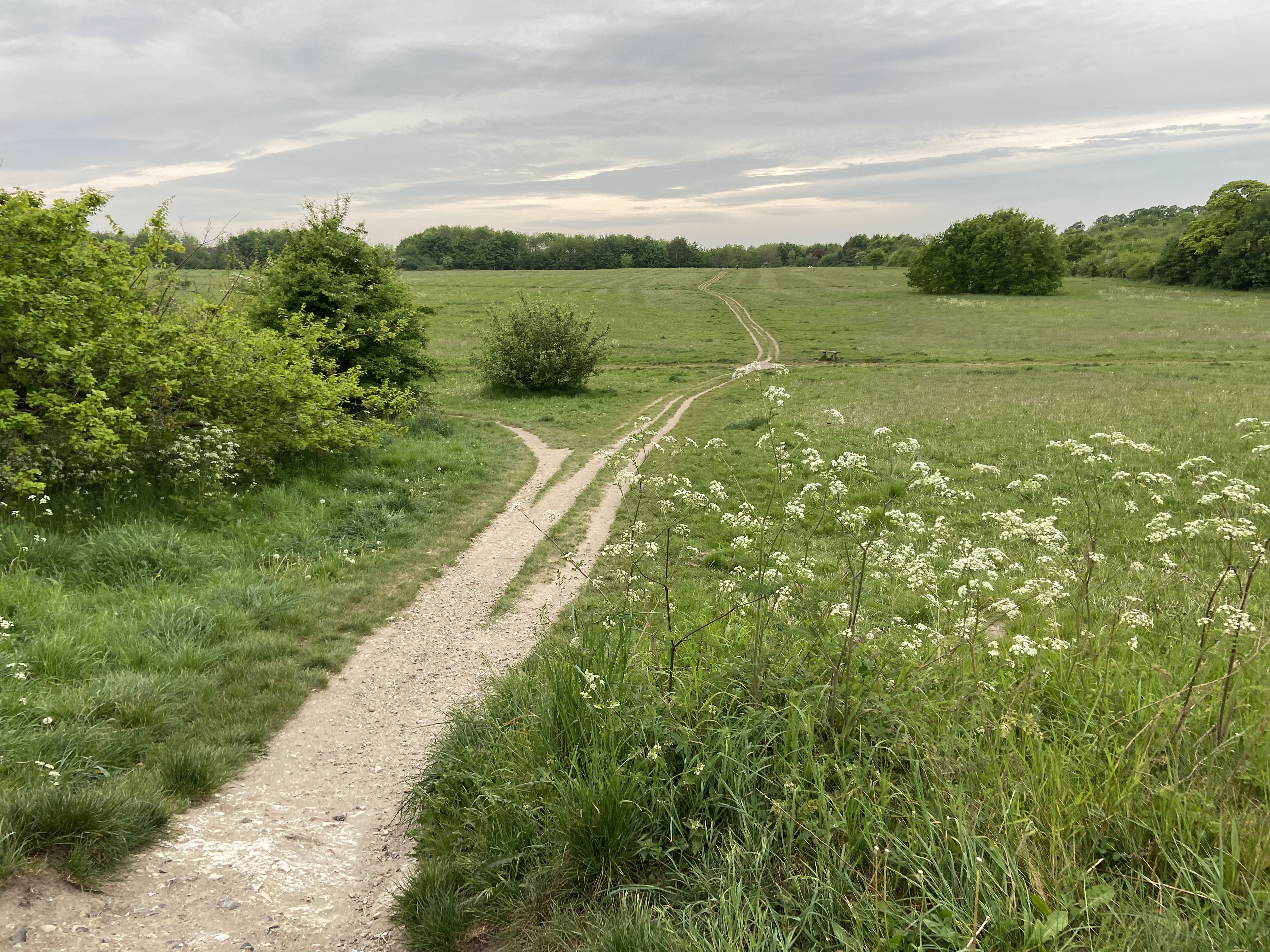
Continue straight ahead at the cross paths by another bench, through the grass towards a small clump of trees that are to the right of the path you are on. At the cross paths immediately after the clump of trees, turn right towards the woods.
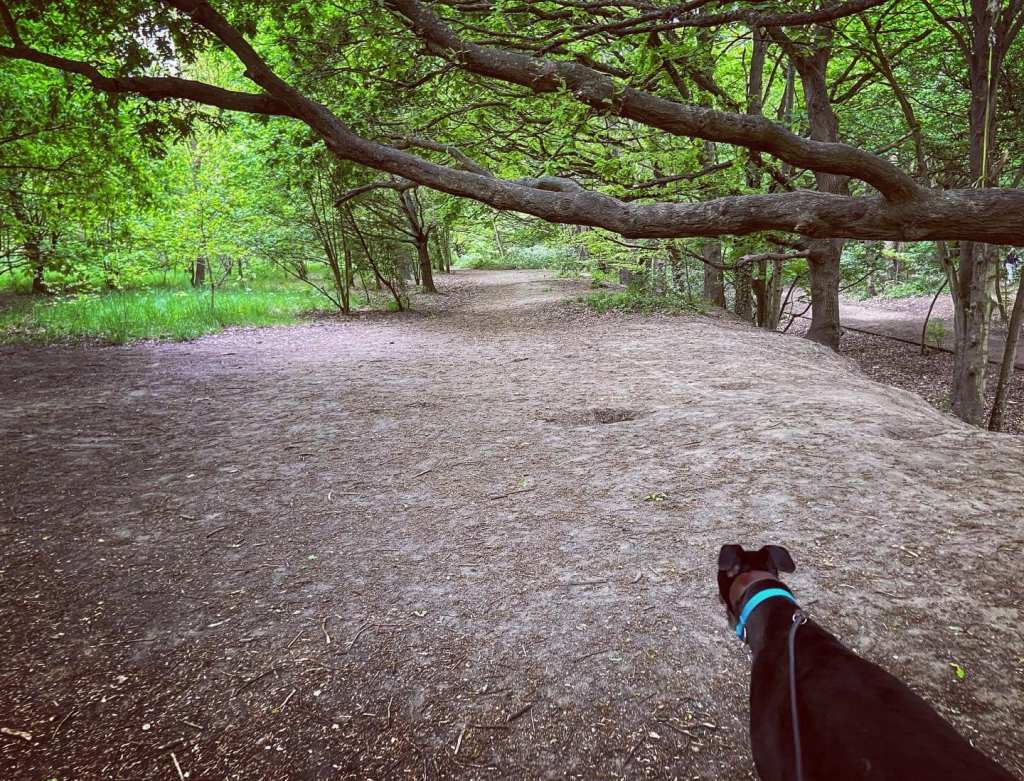
Head into the woodland and, after a short distance, follow the path round to the left under the shelter of the trees. The two footpaths you crossed earlier now run parallel to this path over to your right. (You can drop down to them if you prefer but I like this path because of how the tree branches reach out across it. Plus you’re less likely to be bothered by cyclists!)
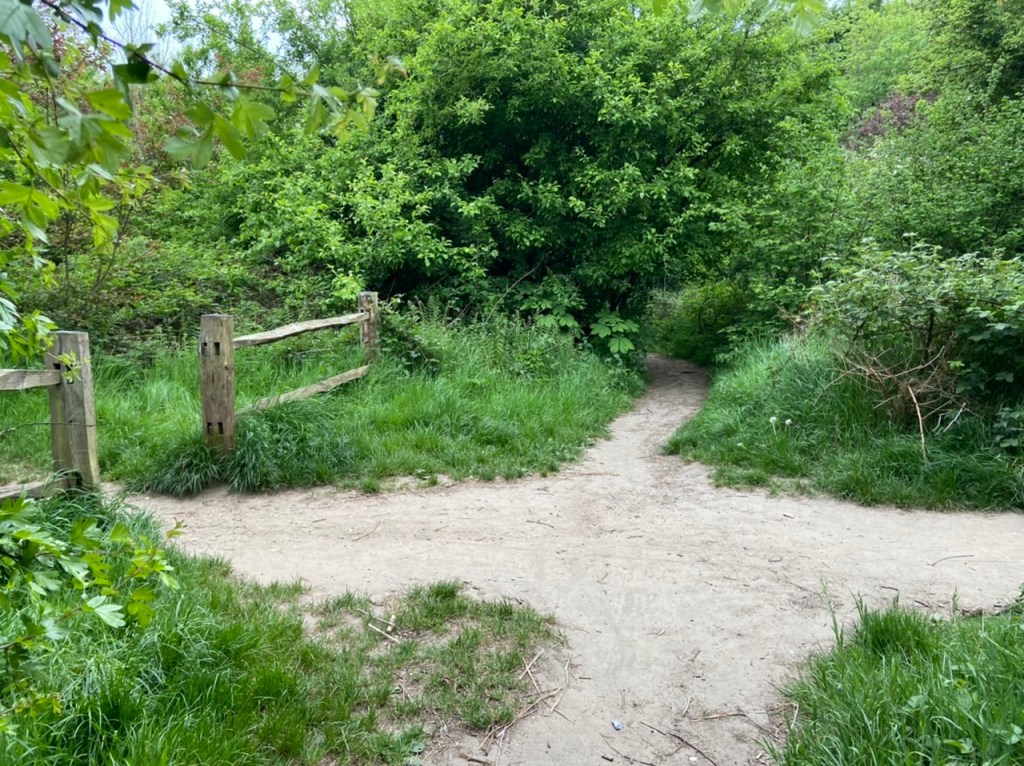
After a tree with a particularly impressive branch spread, your path narrows and goes into shrub. Shortly, there’ll be a cross paths with a wooden fence and gap to the left – turn right and go down the bank and cross over the footpath. Continue straight ahead through the shrubs and trees to get back to The Avenue, where you turn left.
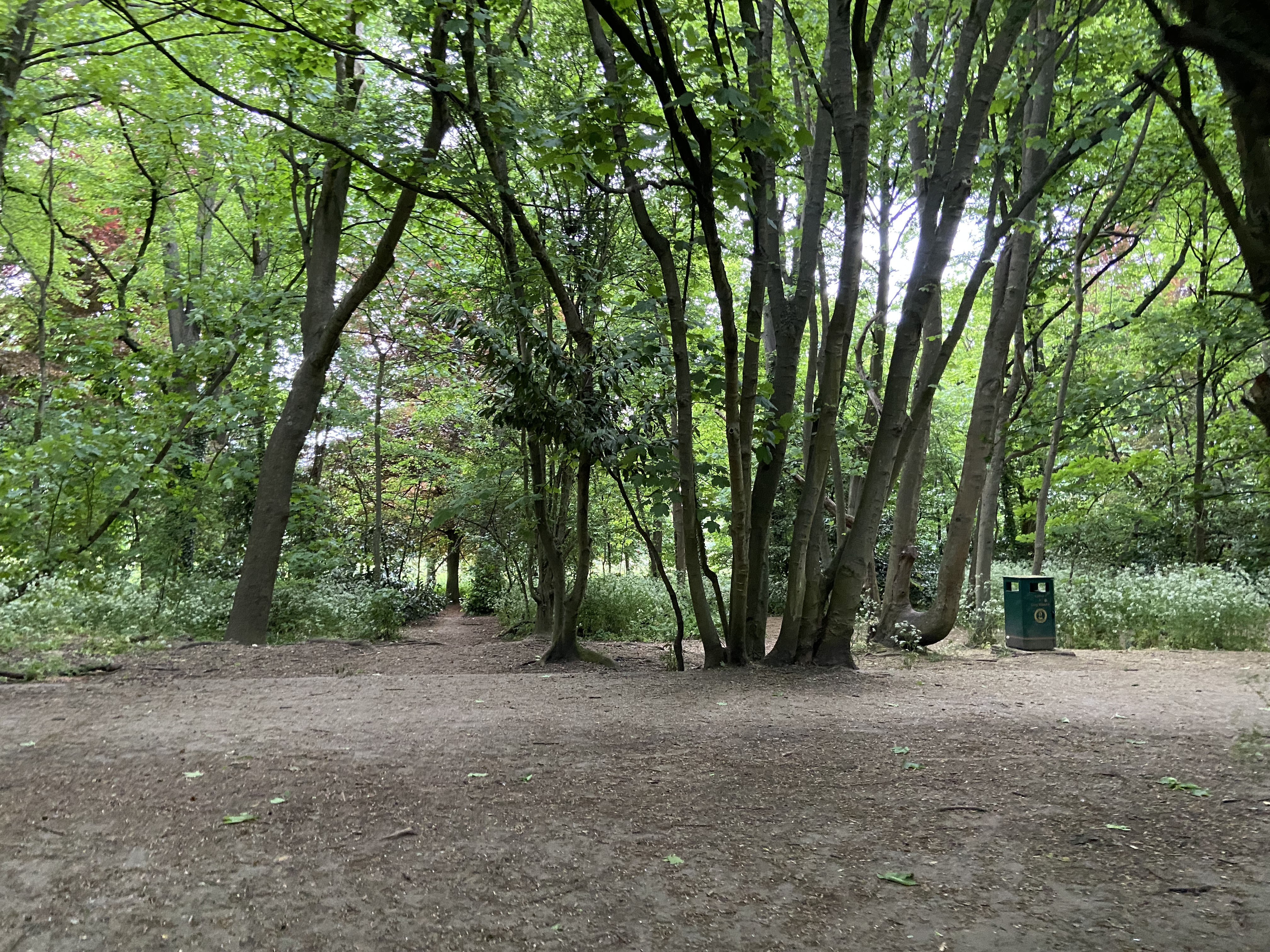
Follow The Avenue straight, passing Castlemaine Lodge on the right and a green bin on the left, and then round the sharp corner to the right. To your right is a big open grass meadow and this path, lined with old horse chestnut trees, goes through the site of the former Nonsuch Palace, which is marked by three stone columns on the right-hand side of the path.
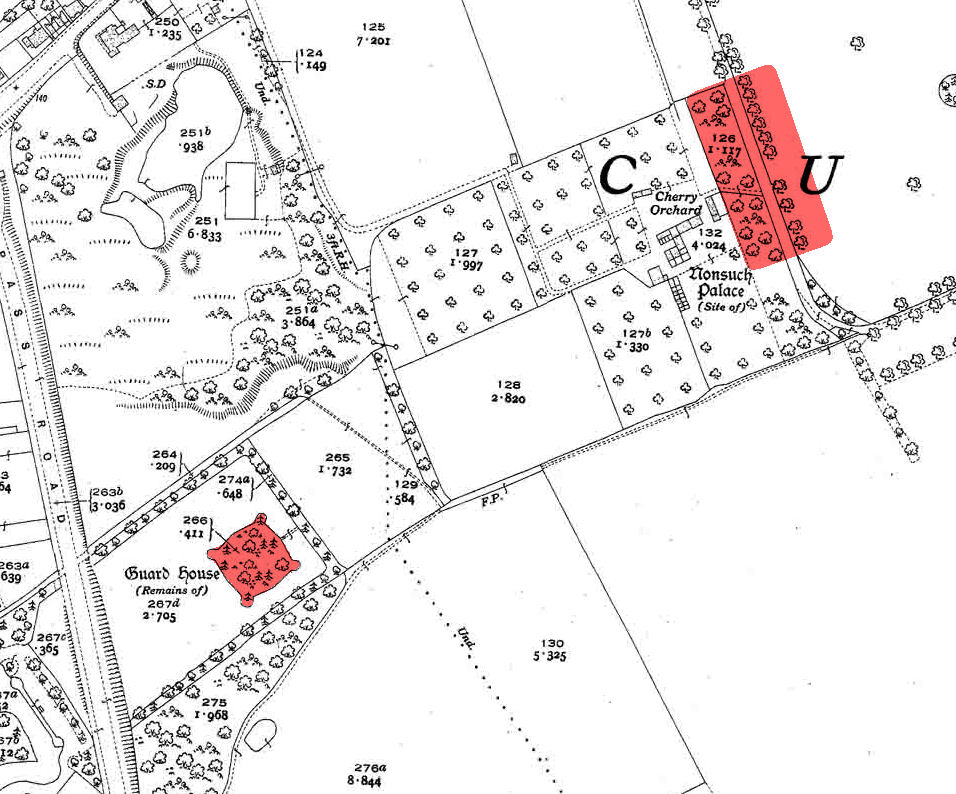
Walk down until you reach the information board on the right, which tells you about the palace. Turn right at the board (or before it if you’re not interested in looking at the board and want to cut off the corner). The compacted mud path you’re on is lined on the left by trees and shrubs with the grass meadow to your right. Follow it down to the large junction of paths they has a tree and two green bins in the middle and turn left.

To your left is a gate to the dog free picnic area (there is a sign on it). Ahead you have a choice of three paths, take the middle one slightly upslope and into a small copse (passing a series of small benches on the left). Walk straight through the middle of this copse and follow the path across the grassy open space, then through a line of trees (the one to the immediate right of the path is an oak tree) and across a other small grassy area then under the boughs of a big oak tree.
Just after the tree, the path bends to the left and over a small bridge. After the bridge, as you emerge into another open space, turn right and follow the path diagonally across the grass and gently upslope then along the tree line on the left. This path will bring you to another large oak tree with a bench next to it, and a surfaced path with edging either side.
Turn left onto the surfaced path behind the tree and bench, and then pass a green bin on the right, after which the path surface changes to tarmac.
Turn right just after the second green bin, which is between two horse chestnut trees onto a grassy path with trees and shrubs on its left-hand side and grass on the right. Follow this down to the corner and turn right, ignoring the paths away through the trees. Continue down with the tree line on your left and the grass on the right to the next corner. At this corner, you want to leave this grassy area by bearing slightly left to go into the woods, passing a thick wooden post on the left-hand side of the path.

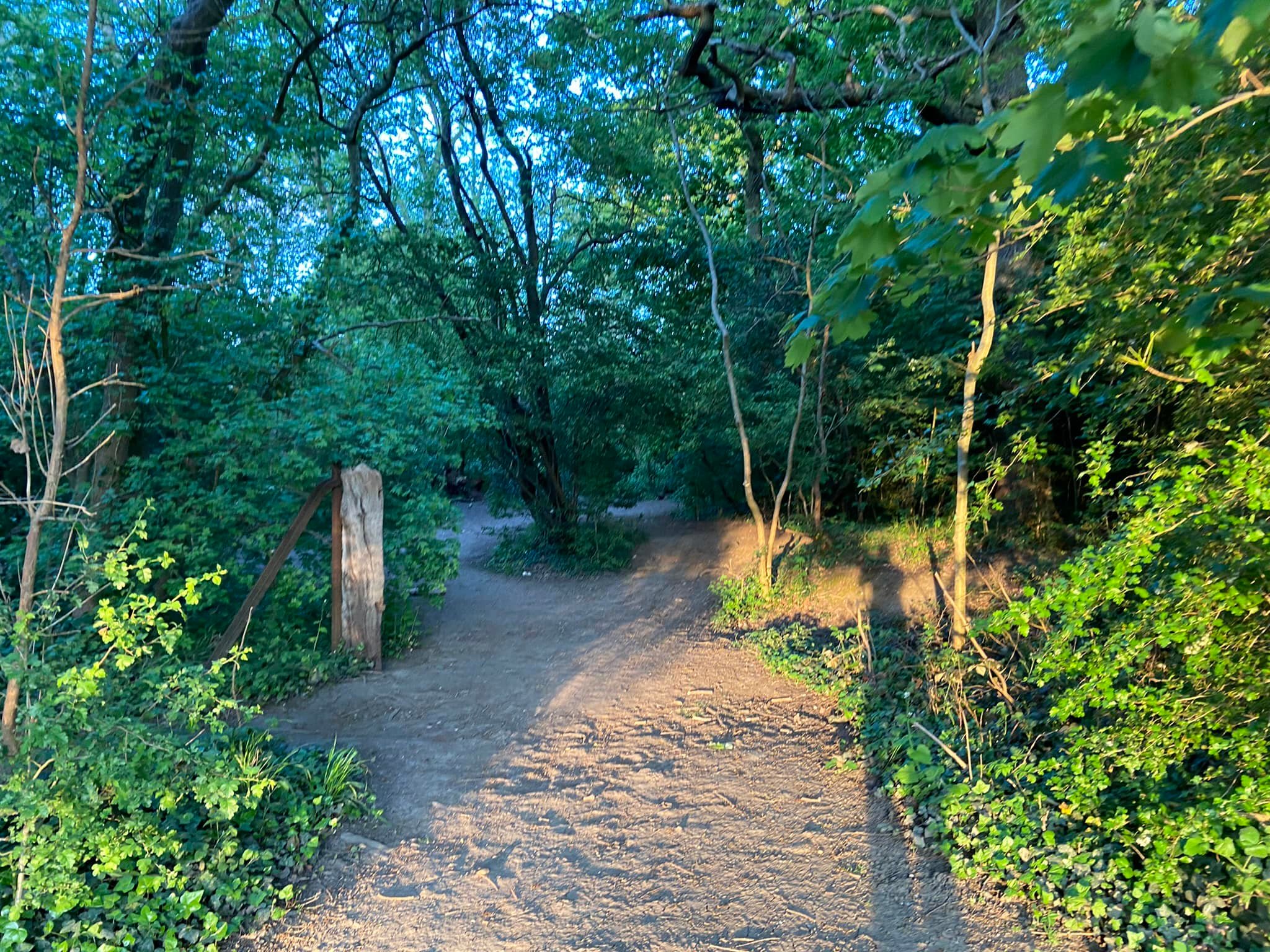
Walk straight in these woods and when you see green railings and a gate to the left, follow the path of that runs along the right hand side of these. Behind those railings is Cheam Recreation Ground.
When you get to a part of the path that has lots of branches embedded in it followed immediately by planks either side of the path, take note as you’ll soon come to a cross paths with a big oak tree in the middle and an information board by the path to the right. The path to the left heads towards the green railings and a gate into Cheam Rec. Continue straight here, passing a bench on the left.
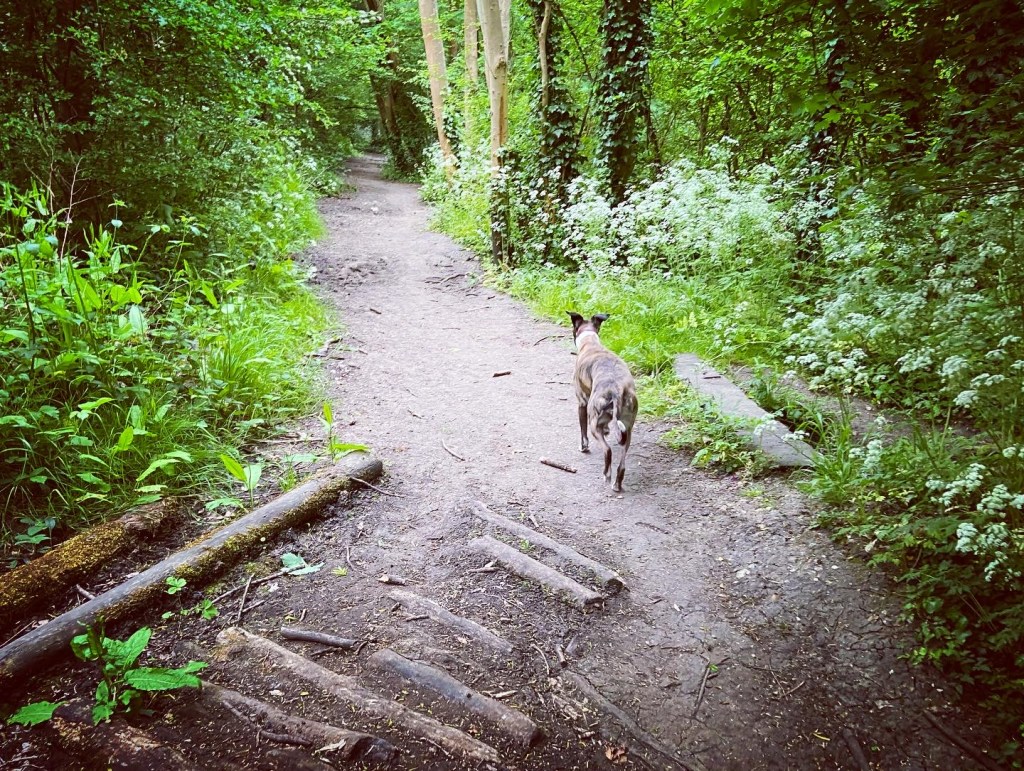
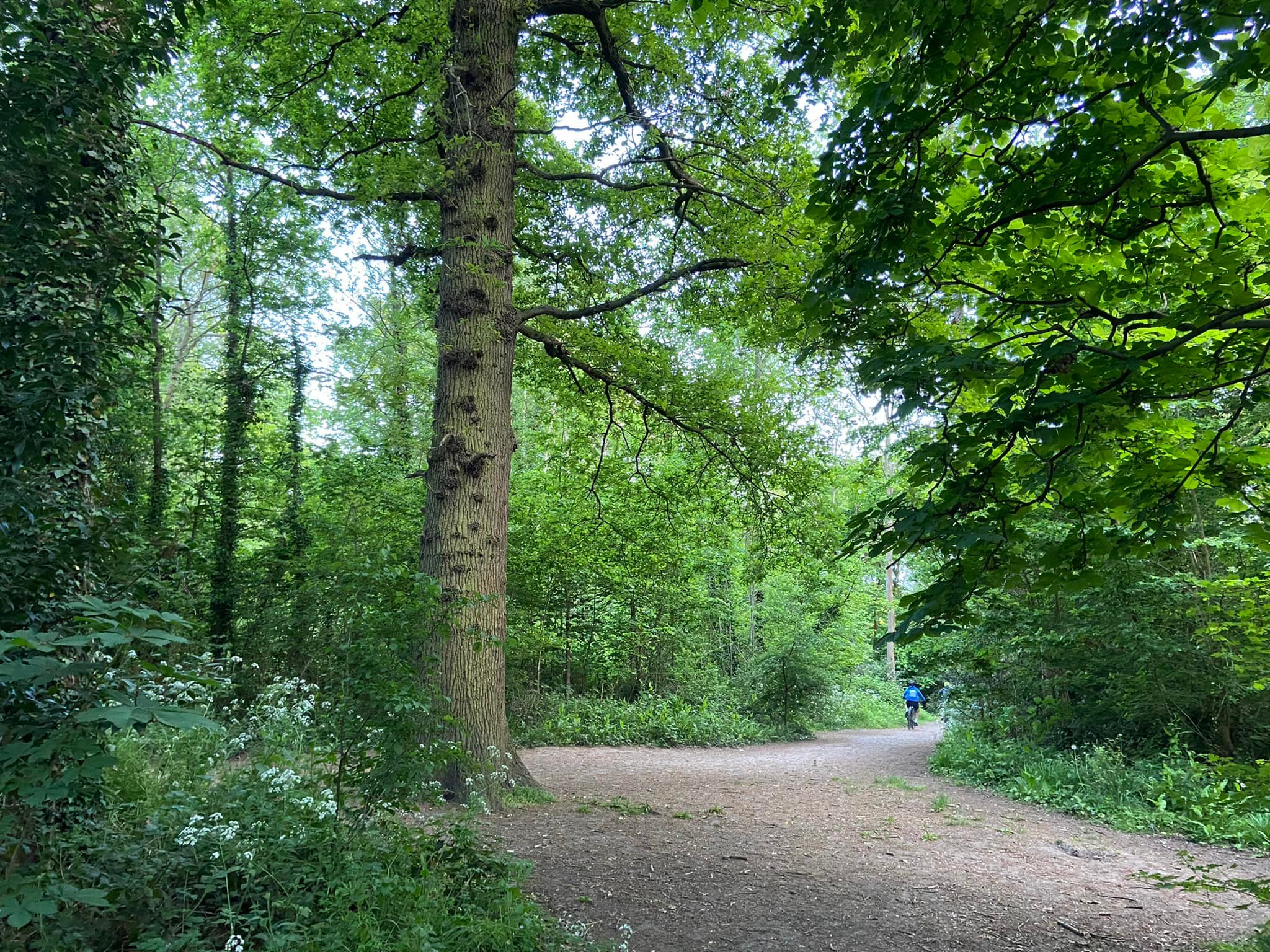
The path is much wider now and bends to the right. Follow it straight down to the big junction of paths/tracks where there is a wooden slatted fence on your right, behind which is a hut with a “Future Woodlands” sign on it. Ahead on the left there is a corrugated iron barn-like structure.
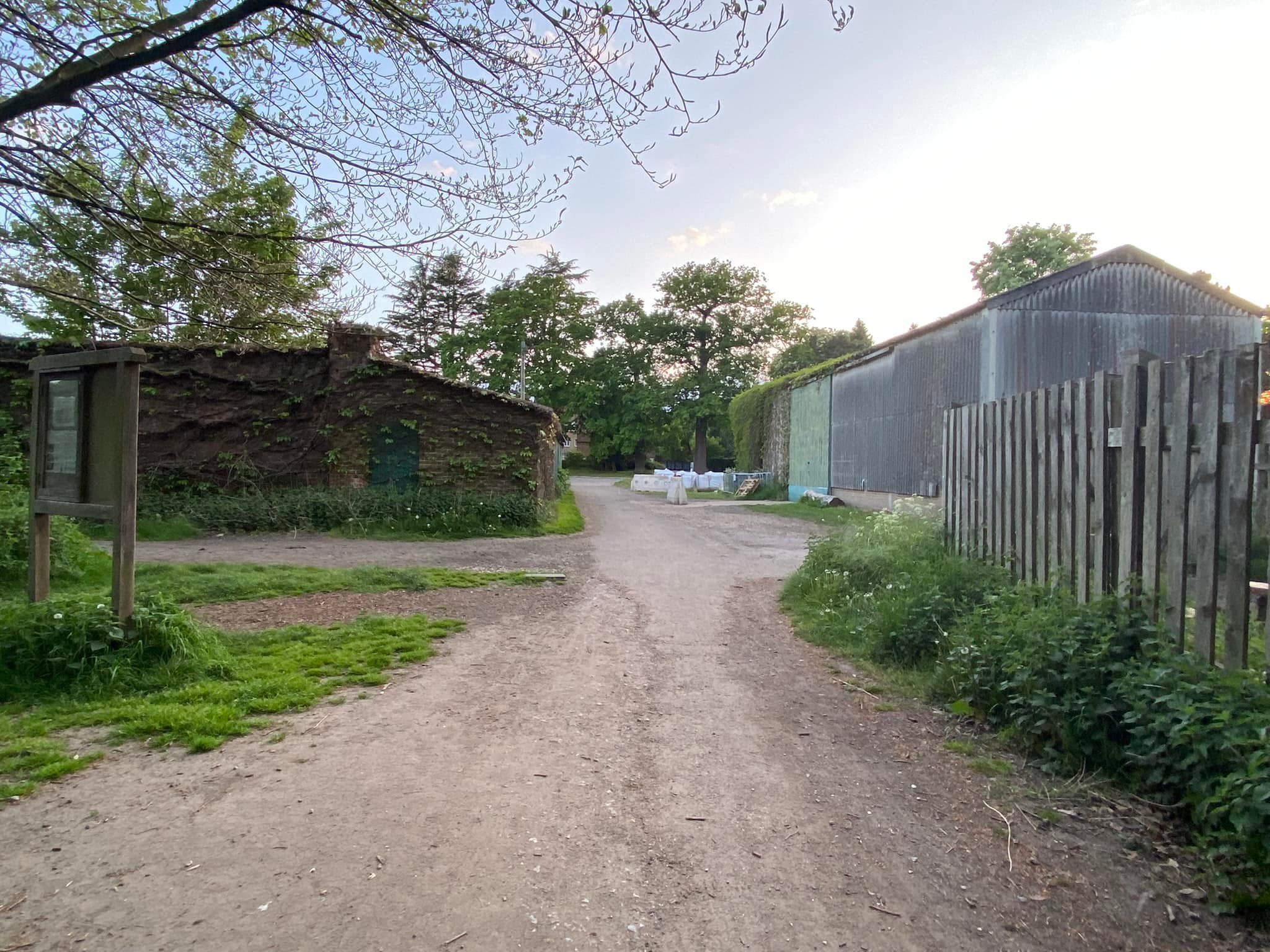

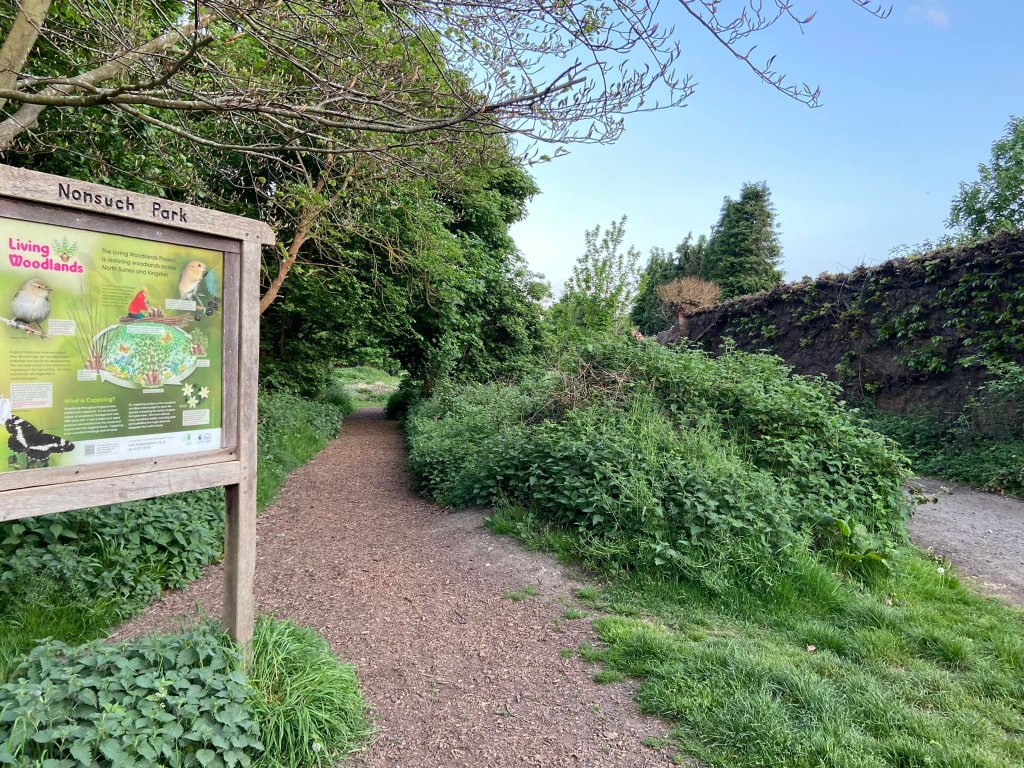
Turn left here at an information board that explains about “Living woodlands” and follow the bark chipped path. It will open out onto the grass area in front of the car parks.
 Walks with Rena
Leave a comment