Nonsuch Park and Warren Farm

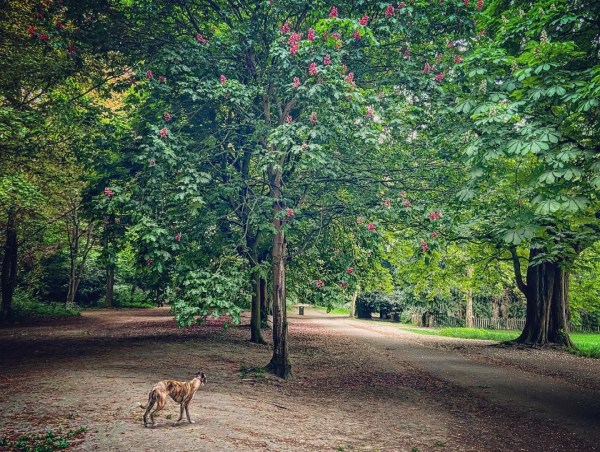
Nonsuch Park is a large open leisure space with an extensive network of surfaced and unsurfaced paths. It is home to a variety of different species of flowers, birds and insects. Situated in its centre is the grade II-listed Nonsuch Mansion, which was built in the mid-eighteenth century and extended at the beginning of the nineteenth in Tudor Gothic style. The park was once home to the very grand Nonsuch Palace built by Henry VIII in 1538, but this was demolished in 1682.

White Downs

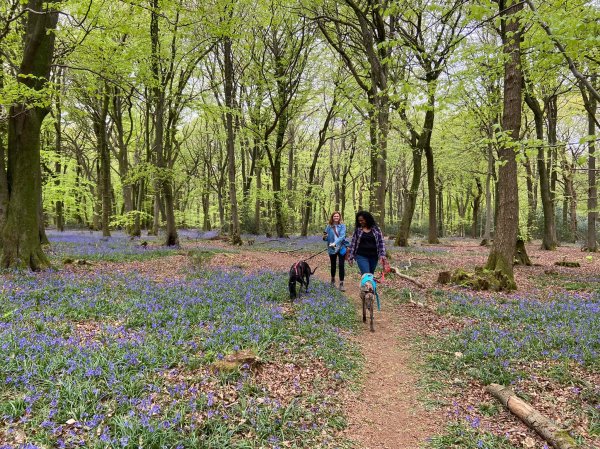
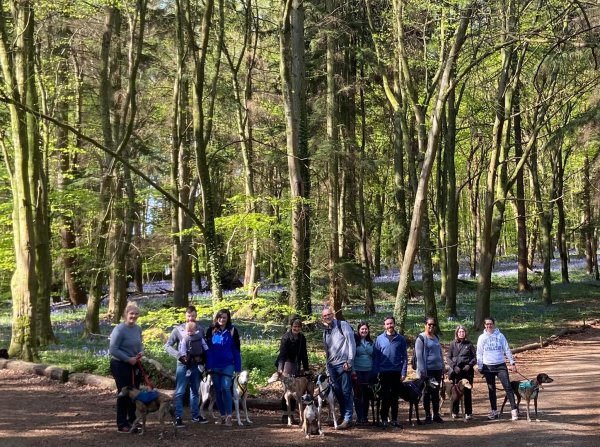
The White Downs are an unspoilt spot high in the hills above Abinger made of grassy chalkland pastures and undisturbed woodlands. In the springtime, the woods boast a fine display of bluebells.

Elstead Common (from Thursley Moat Pond)

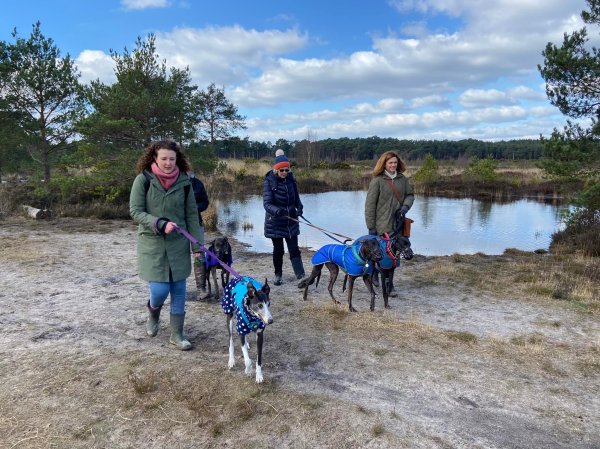
Elstead Common is a Site of Special Scientific Interest, as are neighbouring Ockley and Royal commons (Walks with Rena post for the latter is here). All are managed by Surrey Wildlife Trust on behalf of the MOD. Elstead and Ockley commons are recognised as some of the finest remaining lowland heath in the south of England and are awash with heather, gorse and bracken. The woodlands on its perimeter are primarily made up of birch and Scots pine.

Ockham Common and Chatley Heath

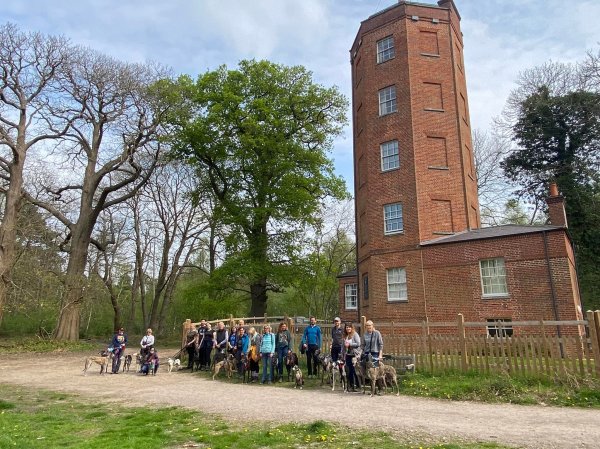
Wisley and Ockham Commons and Chatley Heath is a 297-acre nature reserve owned by Surrey County Council and managed by the Surrey Wildlife Trust. The site is mainly heathland but it also has areas of open water, bog, woodland and scrub. Here you'll also find the only working semaphore tower in Britain and an ornate mausoleum.

Cowdray Forest (and Worth Forest)

Cowdray Forest is part of the Paddockhurst Estate, a privately-owned woodland which allows some access to the public. Here, you'll find a grid plantation of different types of trees so there's quite a lot of variety to be had on any walk as you pass from section to section. Cowdray Forest adjoins Worth Forest, although there's nothing to tell you when you pass from one into the other.

Ripley and Wey Navigation

The historic village of Ripley has existed since Norman times and was first recorded in documents of around 1200. It developed with the establishment of Newark Priory and, during the Tudor period, became very prosperous as a place to stop on the (now A3) road between London and the rapidly growing naval town of Portsmouth.

Chantry Wood

Chantry Wood, just to the east of Guildford town centre, sits on the same greensand ridge that forms part of the North Downs as neighbouring St Martha’s Hill (Walks with Rena post here) and comprises 80 hectares of woodland and grassland.

Newark Priory

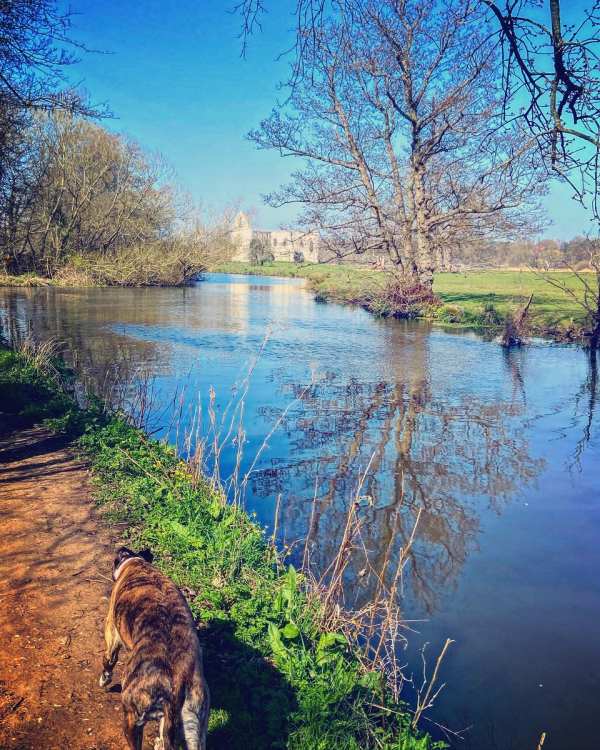
Newark Priory is a ruined priory next to the River Wey at Newark Lock between Ripley, Send and Pyrford and to the east of Woking Palace. It is a Grade I listed building and protected Scheduled Monument, meaning it should forever remain in ruins just like it is today.

Ashtead Common

Ashtead Common, owned by the City of London Corporation, is regarded as a prime example of relic wood pasture, valued for its historic landscape and important habitat. Its 495 acres are a mosaic of woodland, grassland, scrub and various wetland habitats including ponds, streams, ditches and springs.

Website Powered by WordPress.com.

Up ↑