Frensham Little Pond

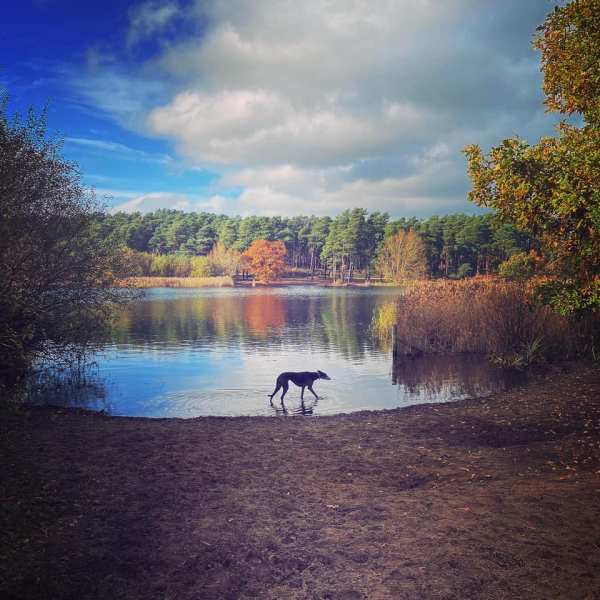
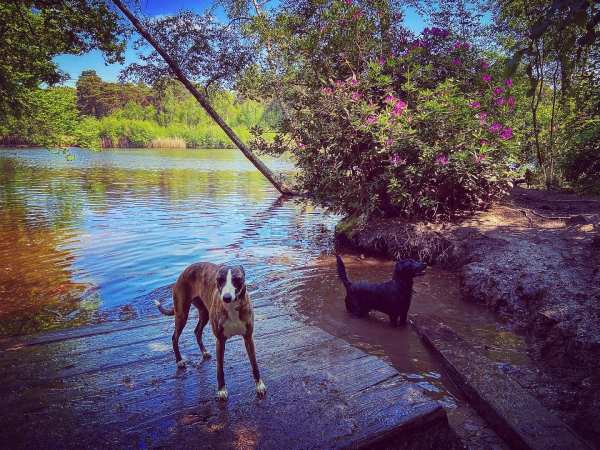
The village of Frensham and its Little and Great ponds can be found near the town of Farnham. The name Frensham comes from “Frena’s ham”. Frensham Little Pond, once called Crowsfoot, was built in 1246 by order of the Bishop of Winchester, William de Raleigh.

Chobham Common North

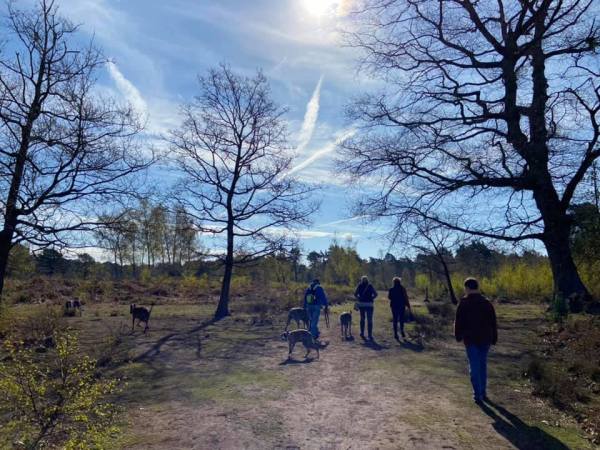
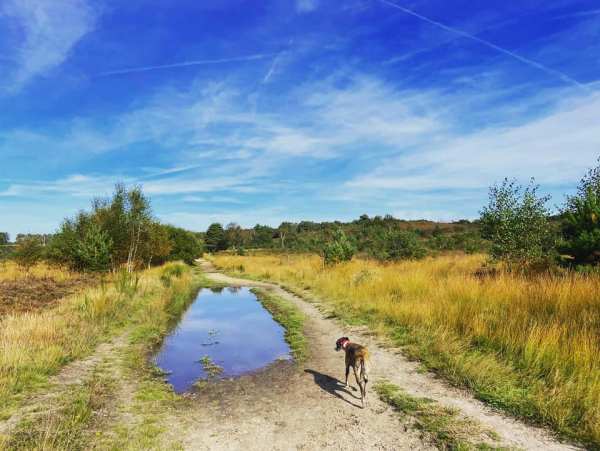
Chobham Common is the largest National Nature Reserve in the south east of England at around 600 hectares – and a prime example of lowland heath, one of the most ancient and characteristic British landscapes, originally created by prehistoric farmers. For over 200 generations, rural communities have carefully managed this open countryside, creating a wildlife rich patchwork of mini-habitats.

Headley Heath

The name Headley, ‘Hallega’ in old English, means a clearing with heather. Headley, to the south of Box Hill, can trace its origins back to the Saxon age, when it was part of the Copthorne Hundred and used by commoners for grazing animals and collecting furze, bracken and firewood.

Hankley Common – Atlantic Wall

Hankley Common is a 560-hectare nature reserve near the village of Elstead in Surrey comprising lowland heath and woodland. The site is part of the Thursley, Hankley and Frensham Commons Special Area of Conservation and a Site of Special Scientific Interest.

Esher Common

Esher Common dates back at least 6,000 years to the early Bronze Age Neolithic period, with evidence of a settlement on Round Hill. ains several ponds and lakes, the largest of which is Black Pond, which was once a water supply for the nearby National Trust Claremont Landscape Garden.

Wisley Common

Wisley Common is managed by the Surrey Wildlife Trust (SWT). Along with Ockham common/Chatley Heath on the other side of the A3, it is a nationally important site for dragonflies and damselflies, with twenty species recorded. It also attracts many rare birds, including the hobby, which is one of the few creatures that can actually catch dragonflies. In the summer, the heath is awash with purple heather.

Chobham Common South

Chobham Common is the largest National Nature Reserve in the south east of England at around 600 hectares – and a prime example of lowland heath, one of the most ancient and characteristic British landscapes, originally created by prehistoric farmers. For over 200 generations, rural communities have carefully managed this open countryside, creating a wildlife rich patchwork of mini-habitats.

Website Powered by WordPress.com.

Up ↑