Ripley and Wey Navigation

The historic village of Ripley has existed since Norman times and was first recorded in documents of around 1200. It developed with the establishment of Newark Priory and, during the Tudor period, became very prosperous as a place to stop on the (now A3) road between London and the rapidly growing naval town of Portsmouth.

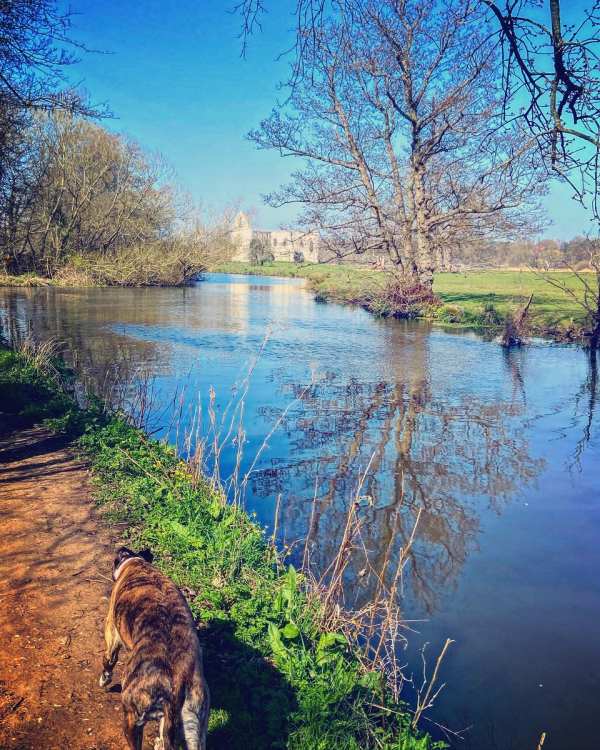
Newark Priory

Newark Priory is a ruined priory next to the River Wey at Newark Lock between Ripley, Send and Pyrford and to the east of Woking Palace. It is a Grade I listed building and protected Scheduled Monument, meaning it should forever remain in ruins just like it is today.

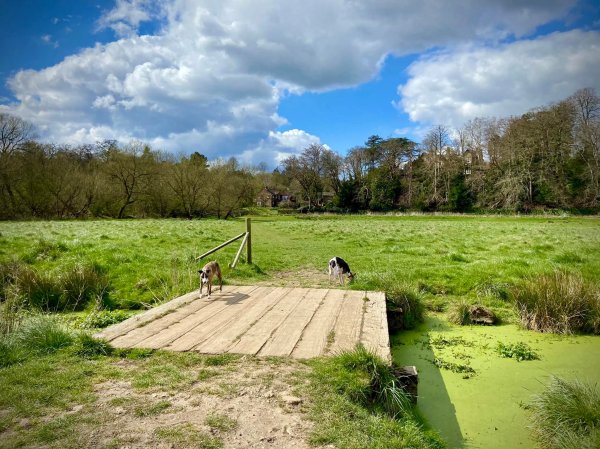
Shalford Water Meadows

Shalford's water meadows were once farmland used for growing hay and grazing cattle. They are a reminder of the area's once "intensive" farming history (although clearly not intensive by today's farming standards). In the Middle Ages, ditches and channels were created in natural riverside meadows and then deliberately flooded to turn them into water meadows, a practice imported from Europe. How very international.

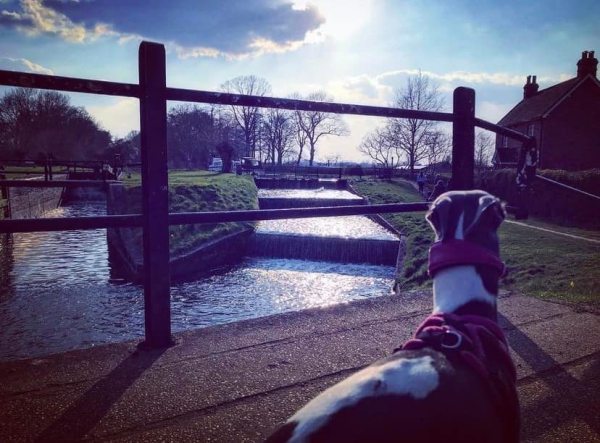
Papercourt Lock and the Wey Navigation

Papercourt Lock is a lock on the River Wey Navigation, now owned and maintained by the National Trust. The Wey was one of the first British rivers to be made navigable, and opened to barge traffic in 1653. It is a 15-mile waterway linking Guildford to the Thames at Weybridge.

Website Powered by WordPress.com.

Up ↑