Woking Palace

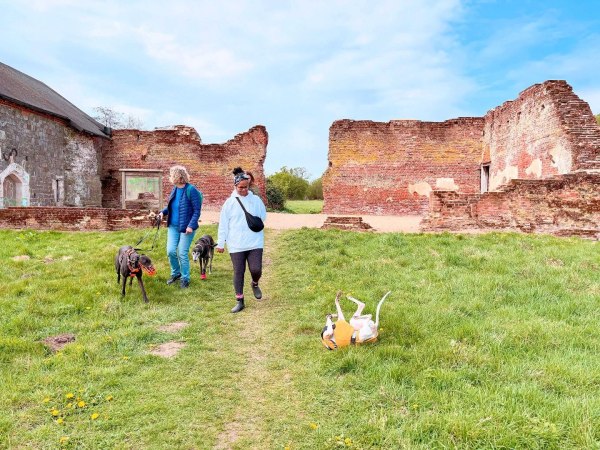
Woking Palace is a former manor house of the Royal Manor of Woking that has Scheduled Ancient Monument classification. King Henry VIII visited Woking Manor often as a boy and during his reign - as did Queen Elizabeth I after him. He also honeymooned (!) there with Catherine Parr in 1543. All that remains of the palace are a barrel vault and some adjoining Tudor brick walls but it's kinda cool to be able to walk through a room that Henry VIII has walked through.

Lightwater Country Park

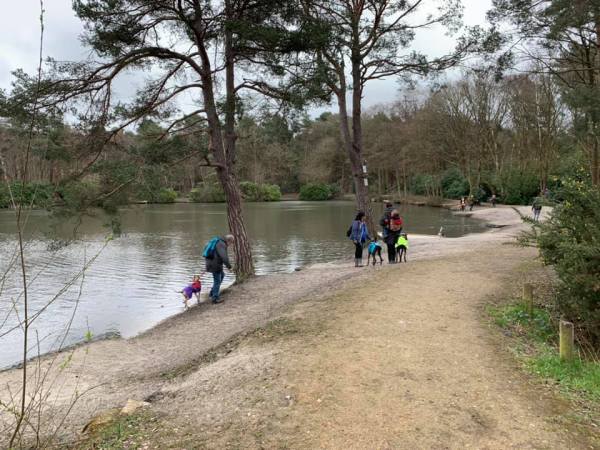
Lightwater Country Park is a four times Green Flag accredited park of 59 hectares on the outskirts of Lightwater village next to junction 3 of the M3. It is predominantly heathland habitat, but there are also ponds, woodland, meadows and areas of scrub.

Richmond Park

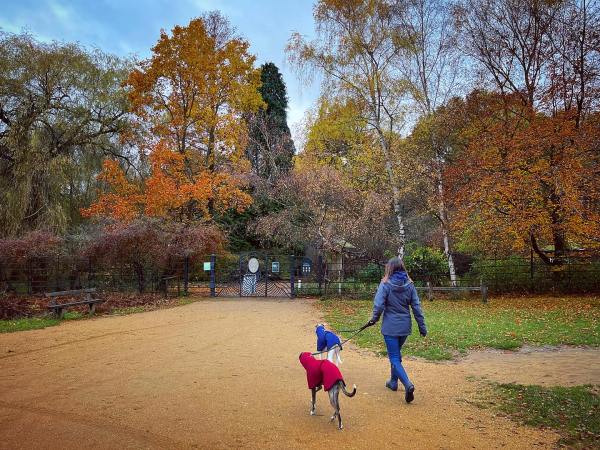
Richmond Park is the largest of London's eight royal parks. Covering 2,500 acres, it's also the capital's largest Site of Special Scientific Interest and a designated nature reserve that boasts ancient woods, rolling hills and open grasslands.

Horsell Common and Heather Farm wetlands

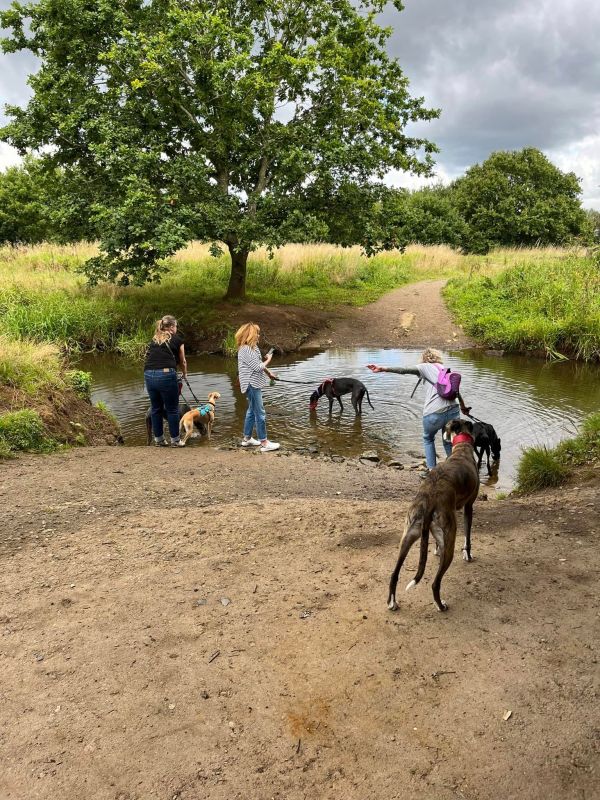
Horsell Common boasts a wide array of landscapes, including heathland, woodland and meadows. Heather Farm comprises the Mimbridge and Bourne meadows area and a (dog-free) wetlands. It has a large car park and there is a cafe serving food and drinks.

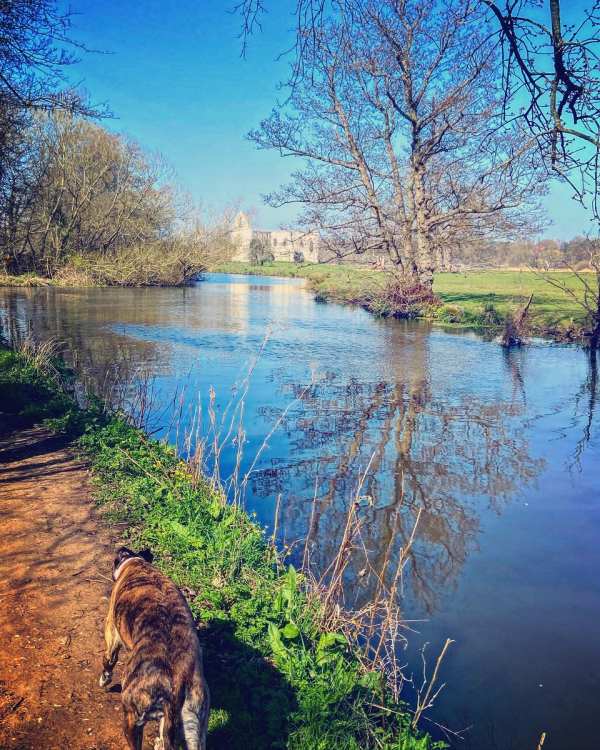
Newark Priory

Newark Priory is a ruined priory next to the River Wey at Newark Lock between Ripley, Send and Pyrford and to the east of Woking Palace. It is a Grade I listed building and protected Scheduled Monument, meaning it should forever remain in ruins just like it is today.

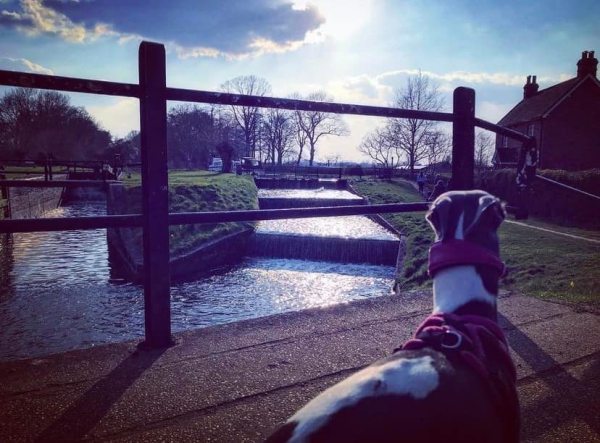
Papercourt Lock and the Wey Navigation

Papercourt Lock is a lock on the River Wey Navigation, now owned and maintained by the National Trust. The Wey was one of the first British rivers to be made navigable, and opened to barge traffic in 1653. It is a 15-mile waterway linking Guildford to the Thames at Weybridge.

Website Powered by WordPress.com.

Up ↑